Ethical Fashion Won’t Stay Niche: The Wardrobe Shift Smart Women Are Making Before Cheap Clothes Become the Real Luxury Trap
Cheap Clothes Are Starting to Feel Like the Expensive Mistake
Fast fashion has a funny pitch: it sells you freedom. A $19 top, a $29 dress, a cart full of “maybe” pieces that feel harmless in the moment. Then the bill shows up later, just in a different form: stretched necklines, twisted seams, itchy fabric, weird fits after one wash, and a closet full of clothes you keep trying on like they owe you an apology.
That’s why ethical fashion is moving from niche to normal. Not because everyone suddenly became a saint. More because women are tired of paying twice: once at checkout, then again in time, frustration, and replacement costs. The real ethical fashion meaning is simpler than the branding makes it sound. It asks a blunt question: who paid for this low price, and what kind of cost got pushed out of sight?
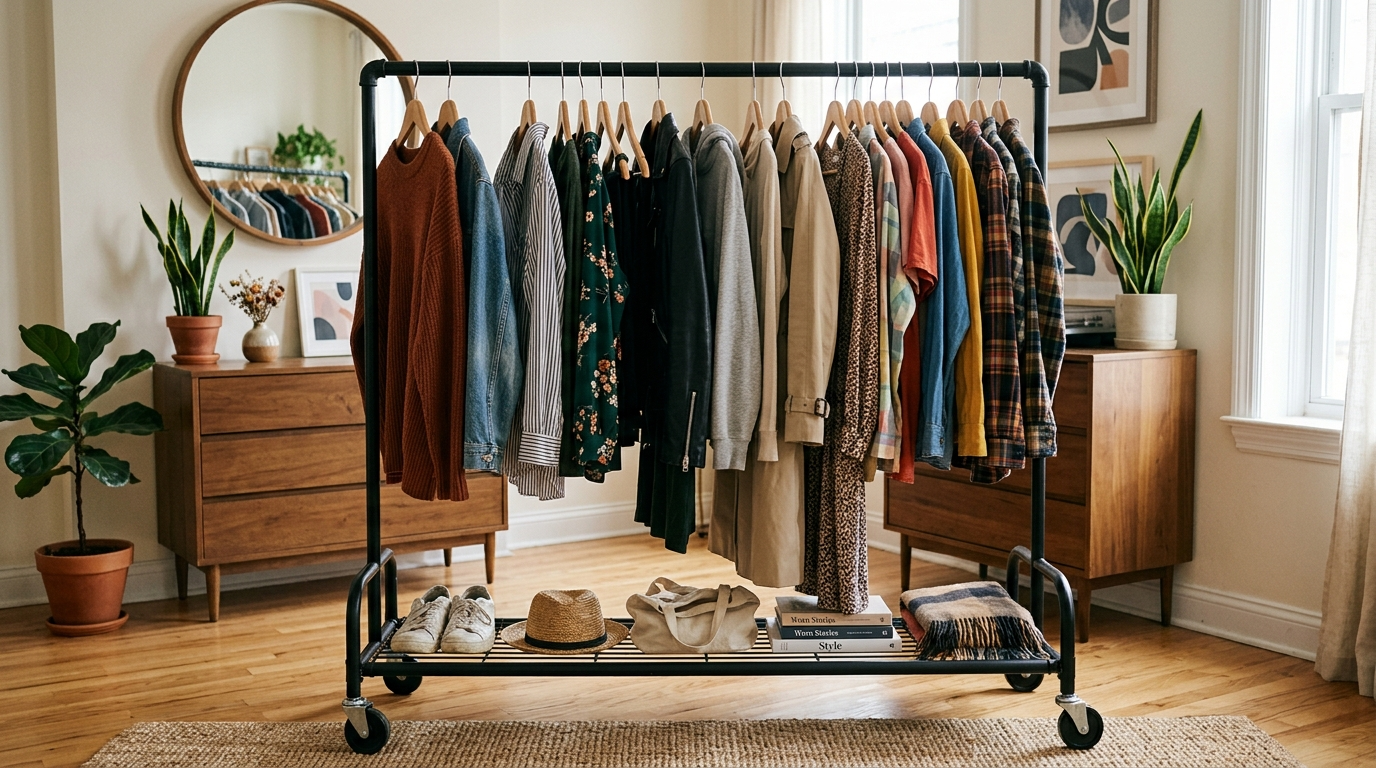
I’ve watched enough people shop to know the pattern. You open a site at 11:40 p.m., add three “easy basics,” tell yourself you’re being practical, then spend Sunday afternoon reading return policies because the hem is crooked or the fabric is 100% polyester in a way that feels like a plastic bag with ambition. That’s not style. That’s decision fatigue in a trench coat.
And decision fatigue is where the conversation gets more interesting than morality. When your wardrobe is full of unreliable pieces, every morning becomes a tiny negotiation. Will this shirt wrinkle by noon? Will this dress cling in the wrong place? Will these pants bag out after two wears? A closet should reduce mental load. Fast fashion often does the opposite. It creates more choices, but less trust.
What Ethical Fashion Actually Means When You’re Not Reading a Manifesto
A lot of people hear “ethical fashion” and picture expensive linen, minimalist branding, and a woman who has never panic-bought a skirt at midnight. That’s too narrow.
In practice, ethical fashion means paying attention to how clothing is made, who made it, and how long it stays useful. Labor conditions matter. Material sourcing matters. Waste matters. So does the less glamorous part: whether the garment survives real life.
That’s why I think the smartest way to read ethical fashion brands is not “Are they perfect?” That question is a trap. Perfect brands are rare, and perfect shopping is fantasy. Better questions are: Is the fabric composition honest? Is the construction solid? Is the return policy fair enough that I’m not gambling with my budget? Can this piece live in my wardrobe for 30 wears, not 3?
If you want a calmer starting point, the most useful ethical fashion guide is the one that makes you a better judge, not a more obedient consumer.
The Hidden Math Behind “Affordable”
Cheap clothes look affordable because they collapse time. They make the cost feel small by hiding what happens after the first wear.
A $24 blouse that pills after two washes is not really cheaper than a $68 blouse you wear twice a week for two years. This is basic cost-per-wear logic, but it matters because fashion marketing is built to distract you from it. The low price tag hits your brain like a reward. The replacement cycle does not.
There’s also the return-policy tax nobody talks about enough. A lot of budget shoppers know this pain well: free shipping sounds generous until you realize you’ve spent an hour trying on four items, photographing fit issues, repacking them, printing a label, and waiting for a refund that may take 7 to 10 business days. That is not convenience. That is unpaid labor.
This is where ethical fashion brands affordable starts to make sense as a search, not a slogan. Affordable does not have to mean bargain-bin. It can mean fewer impulse buys, better wear rate, and lower friction.
A Quick Quality Check I’d Trust Before Buying
If you’re shopping on a budget, don’t try to “feel” quality through the screen. Look for signals that usually survive first contact with real life.
| Signal | Better sign | Red flag |
|---|---|---|
| Fabric | Natural fiber blend with clear composition and decent weight | Vague “soft touch” language, ultra-thin material |
| Stitching | Even seams, reinforced stress points | Loose threads, puckering, crooked hems |
| Lining | Proper lining in dresses, skirts, jackets | Unlined pieces that go sheer or twist |
| Hardware | Zippers and buttons that look sturdy | Flimsy pulls, plastic-looking closures |
| Return terms | Clear window, easy process | Store credit only, short deadline, hidden fees |
I’d add one more thing that people ignore until it hurts: fabric weight. A shirt that is too light often telegraphs cheapness fast. It wrinkles, clings, and loses shape. You can usually spot this in product photos if the model’s hem is already curling or the fabric looks translucent under normal lighting.
If you want a practical next step, a capsule mindset helps. The The Ultimate 10-Piece Spring Capsule Wardrobe approach is useful not because it’s minimalist for the sake of it, but because it forces each item to earn its place.
Where Ethical Fashion Brands Affordable Actually Fit in Real Life
I don’t think most women need a full wardrobe overhaul. That’s too dramatic, and honestly, too expensive. What usually works better is a swap strategy.
Replace the pieces that fail the hardest:
- the white tee that goes limp after three washes
- the black trousers that bag at the knees
- the blazer that looks polished for one meeting and exhausted by lunch
- the dress you keep “making work” even though it never really fits
That’s where ethical fashion brands affordable can be a smart middle path. Not the most hyped labels. Not the cheapest ones. The ones that give you stable sizing, decent construction, and a fabric that does not feel like a compromise the second you sit down.
For office wardrobes, this matters even more. A polished work outfit is not just about looking put together. It’s about not spending your Monday morning adjusting straps, tugging hems, or worrying whether your top has become semi-sheer under fluorescent light. If you’re building a work rotation, the Spring Office Wear Edit: 5 Looks to Copy mindset pairs well with ethical shopping because it pushes you toward repeatable outfits instead of random one-offs.

The Real Luxury Trap Is Not Price, It’s Waste
Here’s the part that gets under people’s skin: cheap clothes are not just cheap. They’re often psychologically expensive.
They create the feeling that you should always be shopping for the next fix. New top, new trend, new “must-have.” But when your wardrobe is built on low-trust items, you end up in a loop of tiny disappointments. That loop is exhausting. It also quietly rewires your taste. You stop expecting clothes to last. You stop expecting fit to be stable. You stop trusting your own judgment.
That’s the trap.
Ethical fashion breaks that loop by making the purchase more deliberate. You slow down. You compare. You ask whether a piece will still make sense after the trend cycle cools off. You become harder to manipulate, which is a nice side effect nobody puts on the hangtag.
And yes, sometimes that means paying a bit more upfront. But if the item holds shape, works across seasons, and doesn’t make you dread laundry day, the math is not as dramatic as fast fashion wants you to believe.
A Smarter Way to Shop Without Going Full Purist
You do not need to become a perfect consumer. That’s not the point, and it’s usually a setup for burnout.
Use this instead:
- Buy fewer “maybe” items.
- Check fabric content before falling for the photo.
- Read the return policy like it costs money, because it does.
- Favor pieces that can handle repeat wear.
- Replace the category that fails most often, not your entire closet.
A small shift matters more than a dramatic one. One better shirt. One sturdier pair of trousers. One dress that fits without bargaining with your body. That’s how wardrobes get calmer.
And calmer is a kind of wealth.
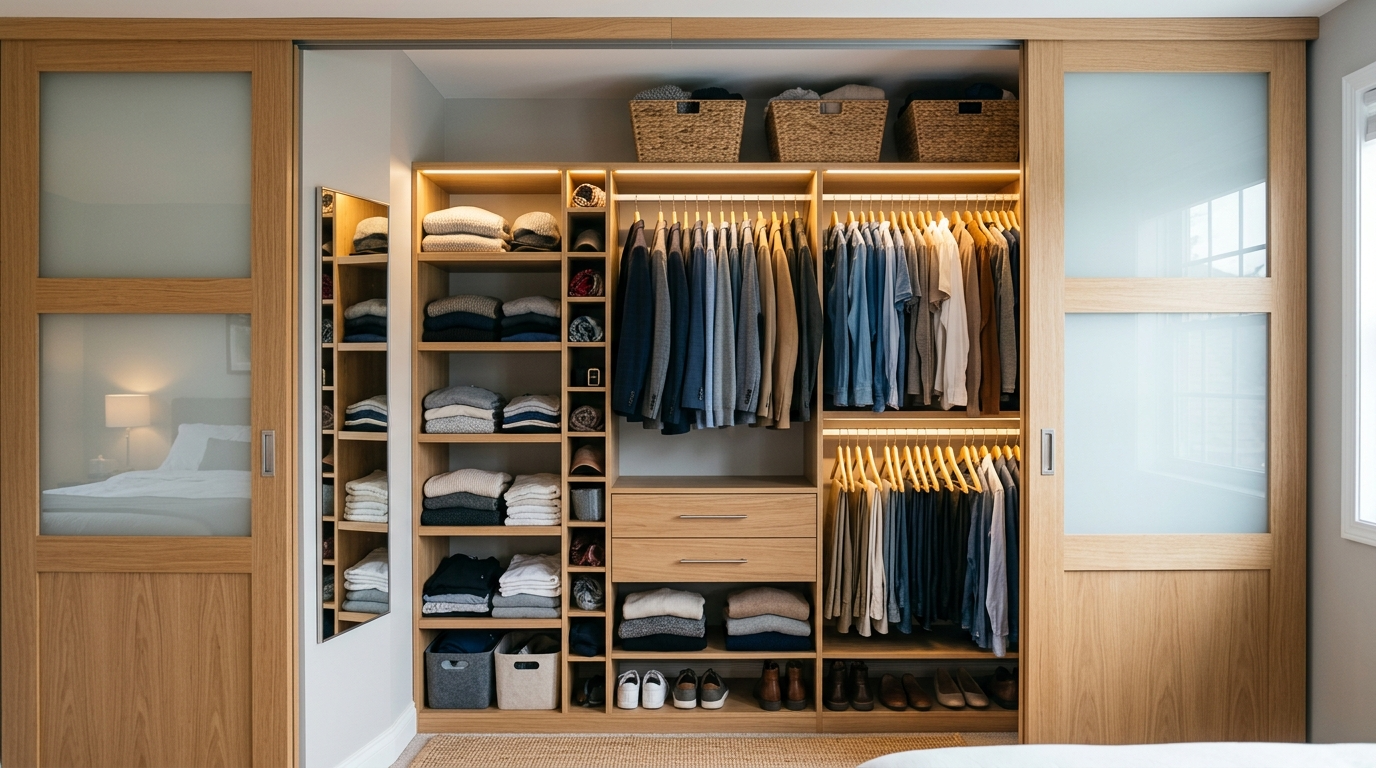
If you’ve been waiting for ethical fashion to become more practical, more affordable, and less preachy, that shift is already here. The smart move is not to chase purity. It’s to stop confusing low price with good value. Once you see that, the cheap clothes trap gets a lot easier to walk away from.