Why Most Women Feel Stylish Online but Lost in Real Life: The Hidden Reason Fashion Styles Never Turn Into Outfits
The Real Problem Isn’t Style. It’s Translation.
At 7:15 a.m., a lot of women are not asking, “What’s trendy?” They’re asking, “What can I wear that won’t fall apart on me by 11 a.m.?”
That’s the part most fashion content skips. Online, style looks clean. Good lighting. A nice pose. Clear intent. Real life is messier. There are stairs, weather, a laptop bag, a coffee spill waiting to happen, and a body that has to keep moving through the day.
That’s why so many people can name fashion styles, save a whole fashion styles list, and still stand in front of the closet feeling blank. The gap is not taste. It’s translation.
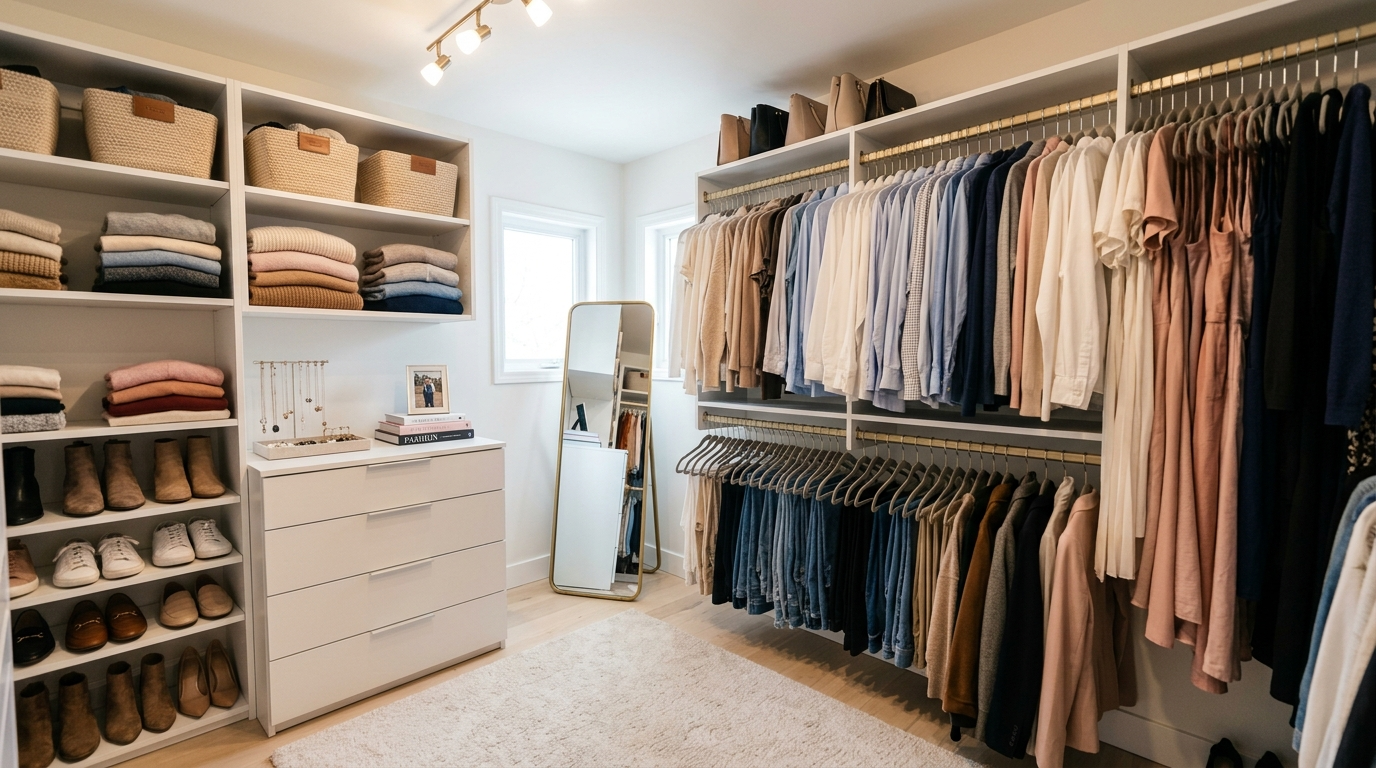
Fashion styles for women are often sold like identity labels. Minimalist. Romantic. Streetwear. French girl. Old money. Soft grunge. They look great on a mood board. They get a lot less useful when you have to catch the train, sit through a client meeting, then walk three blocks in the heat.
The hidden reason outfits never happen is pretty simple: style gets treated like a personality badge when it should be treated like a design system.
Why Online Style Feels Easier Than Real Life
On a screen, fashion styles are symbols. A blazer says authority. A slip skirt says effortlessness. Sneakers say ease. The image does half the work for you.
Real life doesn’t care about symbols. Real life asks questions like:
- Can you sit in it for 6 hours?
- Does the hem catch on bike seats?
- Will the coat turn into a sauna on the subway?
- Does the bag fit a phone, charger, and lunch box, or only a phone and hope?
That’s where the fantasy falls apart.
A lot of women are not confused about fashion styles. They’re overloaded by them. One tab says “quiet luxury.” Another says “coastal grandmother.” A saved reel says “everyday outfit ideas,” but the outfit only works if you own a perfectly steamed trench, spotless trousers, and a life with no rain.
That’s where choice fatigue sneaks in. Psychology has a boring name for a very familiar feeling: too many options can make decision-making worse, not better. The closet turns into a tiny courtroom. Every piece is on trial. Nothing gets picked.
Fashion Styles Names Are Not Outfits
This is the part I wish more style content would say out loud.
A fashion style name is not a complete answer. It’s a direction. Outfits only happen when that direction gets filtered through setting, movement, and mood.
Think of it like this:
- Setting: Where are you going?
- Movement: How much will you walk, sit, bend, carry, sweat?
- Mood: What do you want to signal, quietly?
That’s the real engine behind wearable style.
A woman can love fashion styles for women that lean polished and still need flat shoes because her commute is brutal. She can adore a long coat and still avoid it because the subway heat turns it into a portable oven. She can want a structured mini bag and still abandon it because it cannot survive a charger, keys, lip balm, and a snack.
That doesn’t mean she lacks style. It means she has a life.
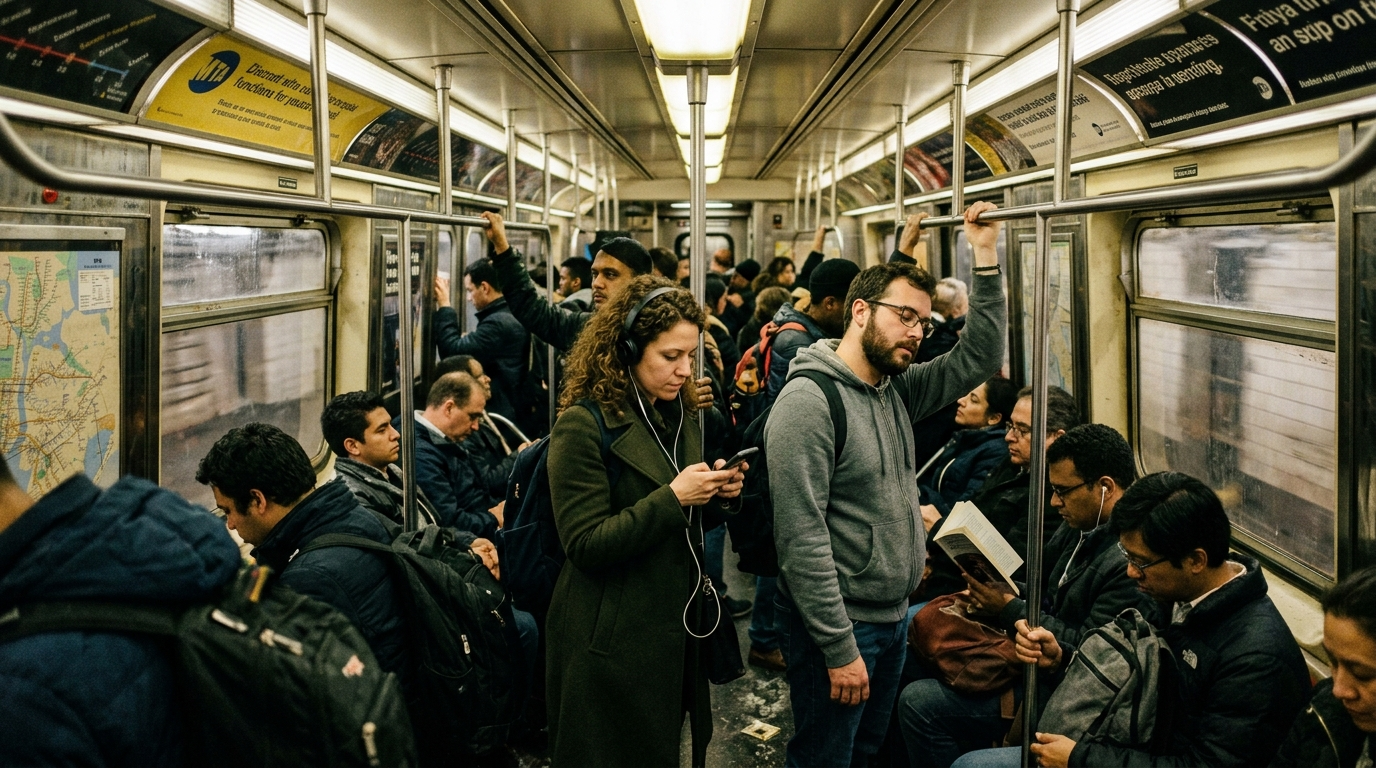
The best fashion styles list is useless if it never survives the weekday test.
The Outfit Problem Is Really a Workflow Problem
Here’s the frame that changes everything: fashion styles are interfaces, outfits are workflows.
An interface looks good when you tap it. A workflow works when you have to live inside it.
That’s why some women look stylish online and lost in real life. The online version is optimized for appearance. The real version has to handle motion, time pressure, and emotional friction.
I’ve seen this over and over in everyday outfit ideas: people copy the silhouette, but not the conditions.
They’ll see a look with a crisp shirt, tailored pants, and a sleek bag. What they miss is that the original look was probably built around a short walk, controlled lighting, and no need to carry much. Copy the visual without copying the use case, and the outfit starts to feel wrong by lunch.
This is also why neutral outfits can go flat so fast. If you want a deeper breakdown, How to Style Neutral Colors Without Looking Boring is really a lesson in giving a simple system enough texture to survive real life.
The Four Traps That Keep Women Stuck
The first trap is identity anxiety.
People ask, “What style am I?” when the better question is, “What do I need this outfit to do?”
The second is selection overload.
Too many fashion styles names, too many saved posts, too many “must-haves.” The brain stops making clean decisions.
The third is perfectionism.
If the outfit cannot be exactly right, it feels safer to wear something dull and disappear.
The fourth is social comparison.
You see someone on a curb in perfect light, in a perfectly edited look, and you assume you’re the problem because your Monday is not a photoshoot.
That comparison is brutal because it confuses content with life. Content is curated. Life is interrupted.
What Actually Turns Fashion Into Something Wearable
If you want fashion styles to become outfits, stop asking whether a style is “you” in the abstract. Ask whether it can survive your actual day.
I use a simple filter:
-
Name the day
Is this an office day, errand day, date night, travel day, or one of those messy in-between days? -
Pick the movement
Are you sitting most of the day, walking a lot, commuting, or going up and down stairs all morning? -
Check the friction
Will the fabric wrinkle? Will the shoes hurt after 20 minutes? Will the bag hold your real-life stuff? -
Choose one signal
Maybe it’s a sharp shoulder. Maybe it’s a clean color palette. Maybe it’s a good pair of earrings. One clear signal is enough. -
Stop there
Don’t keep adding pieces just because the internet made the outfit look incomplete.
That’s the difference between styling and dressing.

A Better Way to Use Fashion Styles for Women
The best fashion styles for women are not the ones that photograph best. They’re the ones that repeat well.
That’s why capsule thinking keeps coming back. A small, reliable wardrobe beats a giant, anxious one. If you’re building around repeatable everyday outfit ideas, a tight system like The Ultimate 10-Piece Spring Capsule Wardrobe is more useful than another mood board full of beautiful confusion.
And for office life, where most style mistakes get exposed fast, Spring Office Wear Edit: 5 Looks to Copy works because it starts from the reality of a workday, not just the fantasy of a polished image.
That’s the quiet truth behind good style systems: repetition is not boring when the pieces actually work.
What I’d Tell Any Woman Standing in Front of Her Closet
If you feel stylish online but lost in real life, you are not failing at fashion.
You are trying to use a visual language as if it were a logistics system.
Once you separate those two things, the panic drops. Fashion styles stop being a wall of labels and start becoming tools. A blazer is not a statement of who you are. It is a tool for a meeting. Wide-leg pants are not a lifestyle. They are a movement choice. A good bag is not a personality. It is storage that does not punish you.
That shift sounds small. It isn’t.
It is the difference between collecting style and actually wearing it.
And honestly, that’s where real confidence comes from. Not knowing every fashion styles list by heart. Not memorizing every fashion styles names trend. Just being able to look at your day and say, “Okay. I know what this needs.”