Why the Best Clothing Brands Are Usually the Ones You Almost Scrolled Past
The best clothing brands are rarely the loudest ones
The brands people talk about most are usually the ones with the cleanest logo, the biggest collab, or the most satisfying unboxing video. The brands people keep wearing are a different story. They’re the ones that disappear into your morning routine. You grab the same black tee, the same straight-leg trousers, the same cardigan that still looks decent after twenty washes, and you leave the house without negotiating with your closet.
That’s why I’ve stopped trusting hype as a shortcut for quality. The best clothing brands are often the ones you almost scroll past because they look too plain, too quiet, too unremarkable to deserve attention. And that’s exactly the point.
If you’re shopping for women’s basics, building a capsule wardrobe, or trying to find affordable clothing brands that won’t fall apart after a season, the real question is not “What’s trending?” It’s “What will still make sense when I’m tired, late, and not in the mood to think?”
A recognizable brand can feel safer even when you have zero evidence it will hold up. That’s consumer psychology in plain clothes. Familiar names reduce decision fatigue. They give your brain a fast answer: this should be fine. But “fine” is not the same as wearable, and wearable is not the same as worth buying twice. A lot of expensive mistakes happen right there, in that tiny gap between confidence and proof.
Why quiet brands often win
The brands that become wardrobe staples usually solve boring problems well.
The neckline stays put. The waistband doesn’t twist after a subway commute. The black tee doesn’t turn semi-sheer under office lighting. The sweater doesn’t pill the second a tote strap rubs across it for three days in a row. None of that is glamorous, but all of it matters more than a logo once the item is in your real life.
I think this is where a lot of best clothing brands for women get misunderstood. People assume “best” means most fashionable, or most premium, or most talked about on social media. In practice, the best brands are often the ones that make getting dressed feel boring in the good way. They remove friction. They don’t ask for a lot of styling energy. They just work.
That’s also why capsule wardrobe brands tend to look underwhelming at first glance. They’re not trying to win your attention in the feed. They’re trying to earn space in your closet. If a brand can give you three neutral tops that layer cleanly, one pair of trousers that doesn’t fight your body by noon, and a jacket that still looks sharp after repeated wear, it’s doing more for your life than a brand that photographs beautifully but wears badly.

The test I use now is embarrassingly simple
I don’t ask, “Do I love this on the hanger?” I ask, “Will I still be happy with this after the third wash and the tenth wear?”
That question filters out a lot of noise.
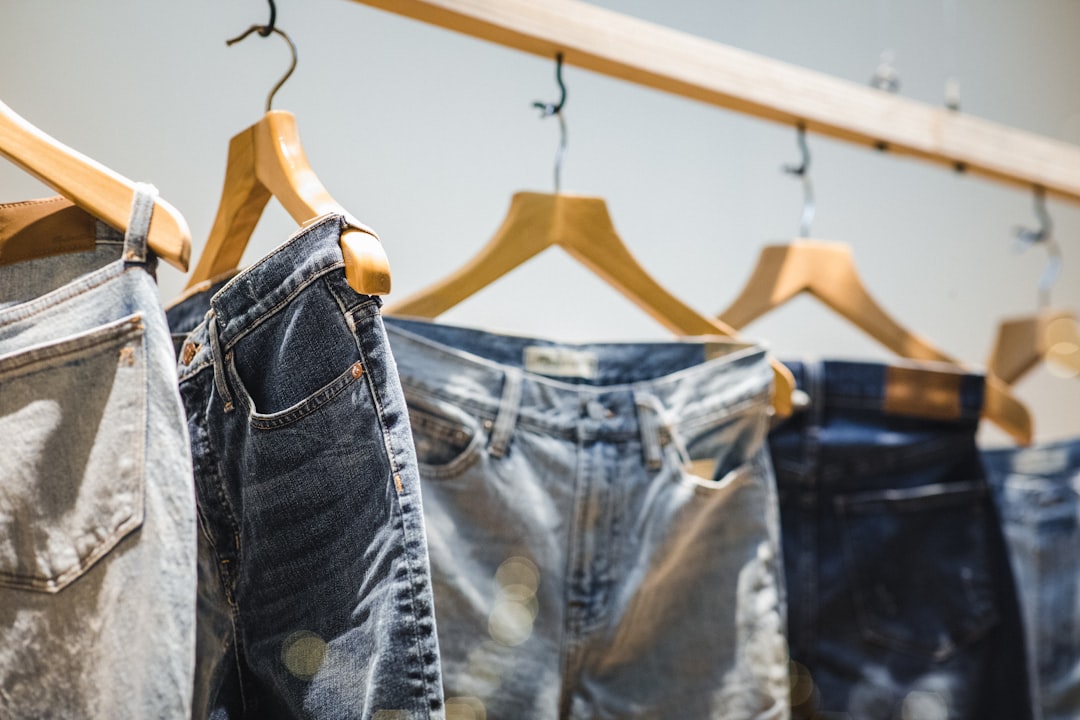
A shirt can look expensive in the fitting room and still become annoying fast if the fabric clings, the seams shift, or the collar collapses after one laundry cycle. A pair of jeans can look perfect in a mirror and still become dead weight if the rise slides down every time you sit. A cardigan can feel like a bargain until the sleeves stretch out and the whole thing starts reading as tired.
For women’s basics, this matters even more because basics don’t get forgiven the way statement pieces do. A loud dress can survive a flaw because it only needs one big moment. A white tank has to earn its keep quietly, over and over, in office outfits, weekend errands, and those days when you want to look put together without thinking too hard.
If you want a cleaner way to shop, the rule is pretty simple:
- Check the fabric composition first, not the mood of the campaign.
- Look at seams, hems, and neckline shape, because those are the first places cheap construction shows.
- Ask whether the item can survive repeated use with a tote strap, a desk chair, or a full commute.
- Imagine it after washing, not just on day one.
- If it only works in a perfect styling photo, leave it there.
That’s the difference between buying clothes and building a wardrobe.
Affordable does not have to mean flimsy
There’s a weird assumption floating around that affordable clothing brands must be a tradeoff: lower price, lower standards, lower expectations. Sometimes that’s true. But sometimes the lower price comes from less marketing, simpler design, or a tighter product line, not worse clothes.
The smarter move is to look for consistency instead of drama.
A brand doesn’t need to be famous to be reliable. It needs to be repeatable. If the tees are opaque enough, the pants keep their shape, and the color palette stays coherent across seasons, you’ve found something much more useful than a viral hit. That’s especially true for people trying to build a capsule wardrobe without spending like they’re furnishing a runway sample closet.
If you’re in the mood to strip your closet down to pieces that actually pull their weight, The Ultimate 10-Piece Spring Capsule Wardrobe is the right kind of thinking. Not more stuff. Better structure.
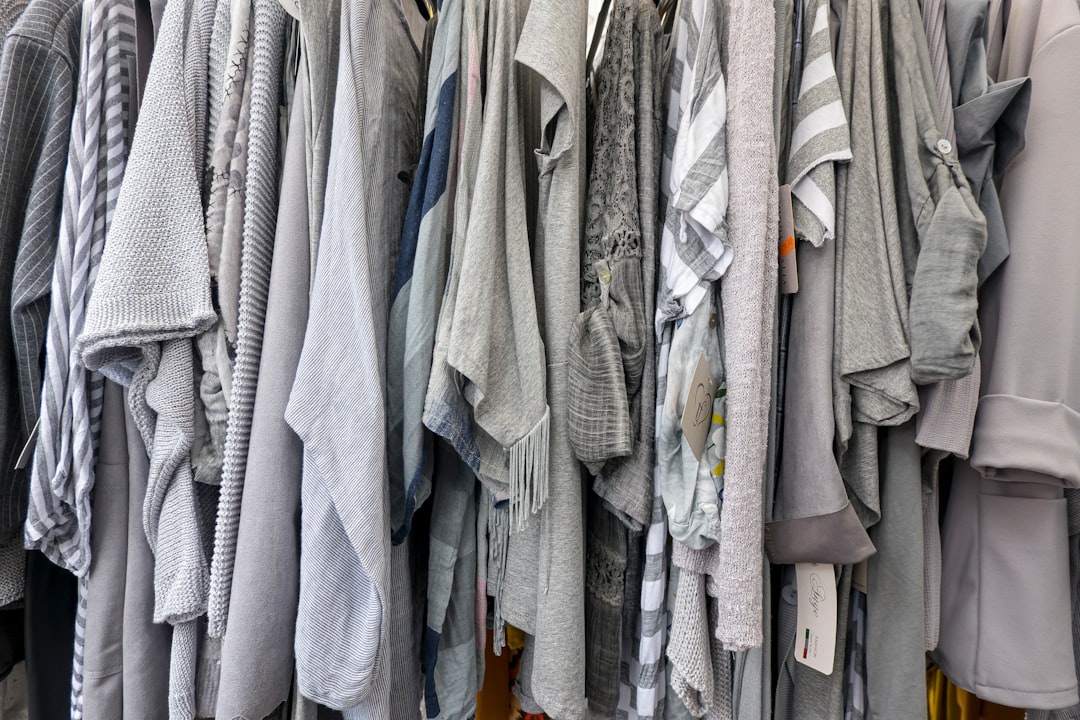
And once you start looking at clothes this way, neutral pieces stop feeling boring. They become the backbone. A good cream knit or charcoal trouser isn’t there to impress strangers. It’s there so your outfit still looks intentional when you only had eight minutes to get dressed.
What “best” really means in everyday life
I’d define the best clothing brands as the ones that help you make fewer bad decisions.
That sounds small, but it’s huge. In consumer behavior, people don’t just buy products. They buy relief. Relief from uncertainty, relief from regret, relief from having to think too hard every morning. When a brand consistently delivers fit, fabric, and wearability, it earns trust in a very practical way. Not by being iconic. By being dependable.
That’s why a lot of the best clothing brands for women are not the ones dominating every conversation. They’re the ones that quietly become the answer to a specific problem: officewear that doesn’t wrinkle into a mess, basics that don’t go sheer, knitwear that doesn’t shed, trousers that don’t stretch out by lunch.
If your life is mostly meetings, errands, school drop-off, commuting, or just trying to look competent without overworking your closet, that matters more than trend status. A brand that helps you get dressed in 30 seconds is doing real work.
For office-heavy wardrobes, I’d pair that mindset with Spring Office Wear Edit: 5 Looks to Copy. Not because you need more inspiration, but because seeing the same pieces repeated in different combinations is often what reveals whether a brand is actually useful.
The brands worth noticing are usually the ones that don’t beg for attention
Here’s the part people don’t like hearing: quiet brands are often easier to trust because they don’t need to overperform in the first five seconds.
They don’t rely on a giant logo to create perceived value. They rely on fit stability, fabric hand-feel, and a shape that makes sense on an actual body. That’s a better business model for the customer too, because it keeps the focus on utility rather than status signaling.
And yes, status still matters. People like recognizable labels because they reduce social risk. If a brand is widely known, it feels less likely that you’ll be the one who made the wrong call. But that comfort can be expensive. Sometimes the loudest brand is just the safest-looking mistake.
The better move is to train your eye for repetition. Ask yourself which brands you’d happily wear three times a week. Which ones survive a wash cycle without losing shape. Which ones still look good when you’re carrying a tote, sitting on a train, or reaching for your laptop under bad fluorescent light. That’s where the real value shows up.
A useful shortcut for shopping in 2026
If I had to compress the whole thing into one rule, it would be this: shop for the version of your life that repeats.
Not the vacation version. Not the “maybe I’ll become a different person next month” version. The actual one.
That’s where best clothing brands prove themselves. The best ones for women’s basics give you clean lines and dependable fabric. The best capsule wardrobe brands make mixing easy. The best affordable clothing brands give you enough quality that you don’t feel punished for saving money. And the best of all are the ones you barely notice once they’re in your rotation, because they’ve already done their job.
That kind of brand rarely screams for attention on the first scroll. It earns it later, when you realize you’ve worn the same item 50 times and still haven’t wanted to replace it.