Why Your Best Fashion Finds Keep Looking Good Online but Fail in Real Life
Why the prettiest fashion finds fall apart in real life
I’ve lost count of how many times I’ve bookmarked something at 11:48 p.m. and thought, yes, this is the one. The color looks perfect. The fit seems effortless. The price feels like a tiny win. Then the package shows up, I try it on in daylight, and suddenly it looks like it belongs to a different person with a different schedule and a very different body.
That gap is the real story behind so many fashion finds. Online, everything gets the best lighting, the best pose, and the best styling trick in the book. In real life, you’re standing in a hallway mirror at 8:10 a.m., coffee in hand, trying to decide whether a top that looked “so chic” on a model is actually wearable fashion finds material or just another pretty screenshot.
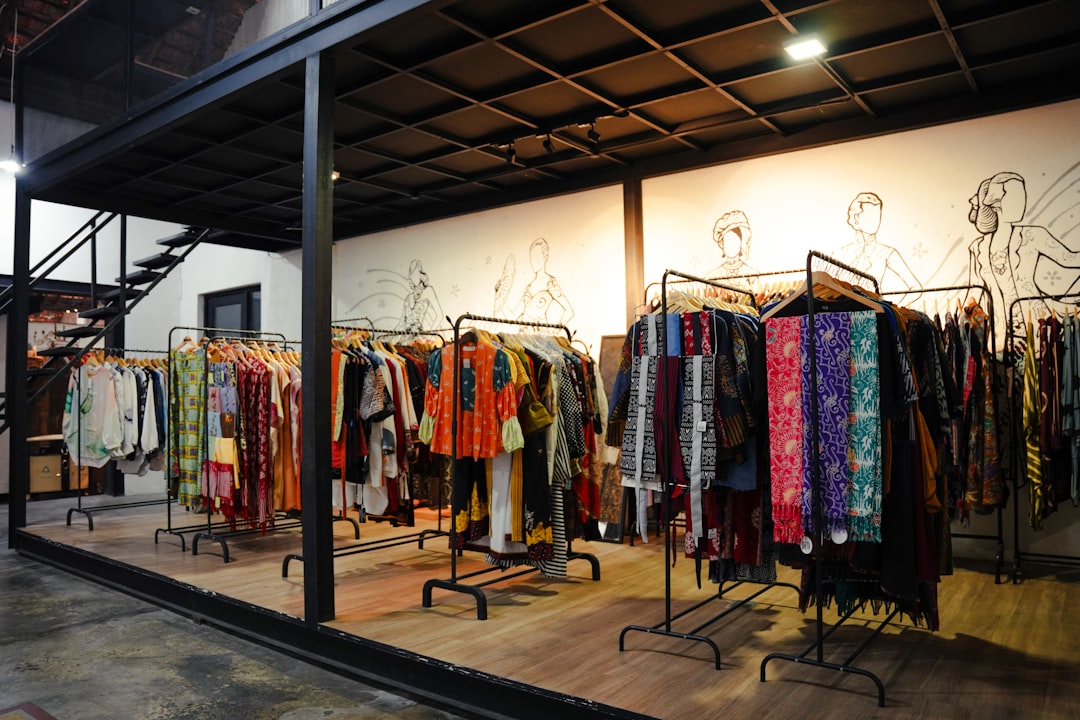
The problem usually isn’t that you bought badly. It’s that you bought without a filter for real life outfit ideas. Social feeds train us to shop the look, not the life. That’s a huge difference. One is a curated image. The other is your commute, your body, your weather, your laundry schedule, and the fact that you need to sit down without thinking about a hemline.
The online version and the real version are not the same product
This sounds obvious, but people keep getting caught by it.
A dress can look amazing in a 4-second video because the fabric moves well for that exact turn. A jacket can seem structured online because the model is standing with perfect posture and the sleeves are clipped behind the back. A pair of shoes can look sleek in a flat lay and turn into a blister factory after 20 minutes on concrete.
That’s why budget fashion finds are especially tricky. When the price is low, it’s easy to forgive everything. We tell ourselves, “It’s fine if the fabric is thin,” or “I can make it work with accessories.” Sometimes that’s true. Sometimes it’s just optimism wearing a checkout button.
Here’s the part nobody says out loud: the internet rewards visual drama, not wearability. A piece that pops on camera often beats a piece that disappears into real life and quietly does its job.
The wearability test most people skip
When I’m deciding whether a piece is one of the wearable fashion finds worth keeping, I run it through a very boring test. Boring is good. Boring saves money.
- Can I move in it without adjusting it every five minutes?
- Does it work with at least three things I already own?
- Can I wear it for four hours without feeling trapped, itchy, or weirdly overdressed?
- Does it still look intentional when I’m not posing?
That last one matters more than people think. A lot of fashion finds look incredible in a mirror selfie and fall apart the second you walk outside. Real life outfit ideas need to survive stairs, weather, bags, chairs, and bad lighting. If a piece only works in a narrow set of conditions, it’s not versatile. It’s a prop.
There’s also a psychology piece here. We’re wired to overvalue the immediate reward. A low price, a flattering thumbnail, a “shop the look” carousel, and a limited-time feeling all hit the brain fast. Wearability is slower. It only shows up after the dopamine fades.
Why budget pieces fail more often
Cheap doesn’t automatically mean bad. But budget fashion finds do come with more risk, and the failure points are usually predictable.
The fabric is the first giveaway. If something looks smooth online but arrives with a weird synthetic shine, it can instantly read less expensive in person. The cut is next. A sleeve that looks relaxed in a product photo may actually be too tight in the bicep or too short at the wrist. Then there’s finishing. Seams, zippers, buttons, lining, all the tiny things that don’t photograph well but absolutely show up in real life.
I’ve seen people blame their body when the real issue was the garment. That part bothers me. A top that pulls at the bust is not a personal failure. A skirt that twists when you walk is not a mindset problem. Sometimes the piece is just poorly designed for actual human movement.
If you want a cleaner way to build a closet, a capsule mindset helps. A piece from The Ultimate 10-Piece Spring Capsule Wardrobe style thinking is less about chasing novelty and more about asking, “Will this earn its hanger space?” That question saves you from a lot of pretty mistakes.
The three traps that make fashion finds look better online
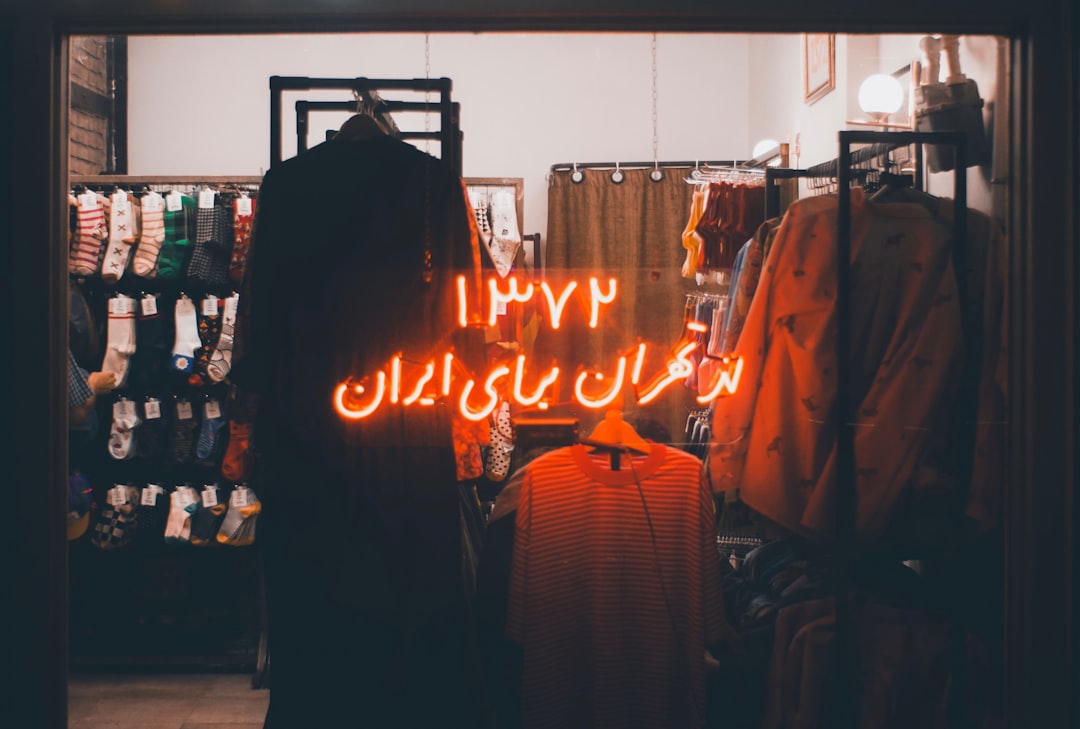
The first trap is styling illusion. A plain item can look expensive if it’s paired with the right trousers, bag, and posture. You buy the item, not the styling, and suddenly it feels flat.
The second trap is proportion trickery. A cropped jacket can look perfect on a tall model and awkward on someone whose torso is shorter or whose usual pants rise higher. A maxi dress can look elegant in motion and become overwhelming if it swallows your frame.
The third trap is context blindness. A look that works for brunch in a warm city may be useless for a subway commute, office AC, or a rainy school run. Real life outfit ideas have to respect the environment. Fashion content often doesn’t.
This is where people get burned by “shop the look” culture. It’s easy to copy the pieces, harder to copy the conditions. The model has the hem hemmed, the sleeves pinned, the bag stuffed with nothing, and the outfit photographed before anyone sat down.
How to make better choices without killing the fun
I’m not here to make shopping joyless. I still love a good scroll. I still save things. I still get tempted by budget fashion finds that feel clever and fresh. The goal is not to stop buying. It’s to buy with a little more spine.
Try this:
- Look at the item without the styling. Ask whether the garment itself is strong.
- Check the fabric content and imagine it after one wash.
- Picture it in three real situations: work, errands, and sitting for a long time.
- Build one outfit from your closet before you buy it.
- If you can’t name two shoes that work with it, pause.
That last step is where a lot of people get honest with themselves. A top is never just a top. It’s a system. It needs pants, shoes, a bra that behaves, and enough flexibility to survive your actual week.
If your closet leans neutral, you can make it feel sharper without buying more noise. I like the approach in How to Style Neutral Colors Without Looking Boring, because it treats clothes like a composition problem, not a shopping addiction problem. That’s the kind of thinking that turns random fashion finds into wearable fashion finds.
What to do when a purchase already disappointed you
We all have those pieces. The ones that looked like a win and turned into a drawer resident.
Don’t force them into your life just because you paid for them. That’s sunk-cost thinking, and it keeps closets full of guilt. Try to diagnose the failure honestly. Was it the color? The fit? The fabric? The styling? That answer tells you what to avoid next time.
If the item almost works, alter it. A hem, a waist tweak, or a sleeve adjustment can rescue a surprisingly large number of budget fashion finds. If it never worked, let it go. Donate it, resell it, pass it on. Your closet is not a museum for bad decisions.
The practical upside is simple: once you start filtering for real-life outfit ideas instead of screenshot appeal, shopping gets calmer. You stop chasing every trend. You start recognizing which pieces will actually show up for you on a Tuesday.
And honestly, that’s the whole game. The best fashion finds are not the ones that win online. They’re the ones that still make sense when the camera is gone, the lighting is normal, and you’re just trying to get dressed like a real person.