The Women Who Look Most Stylish Online Usually Buy Less, Not More
The Women Who Look Most Stylish Online Usually Buy Less, Not More
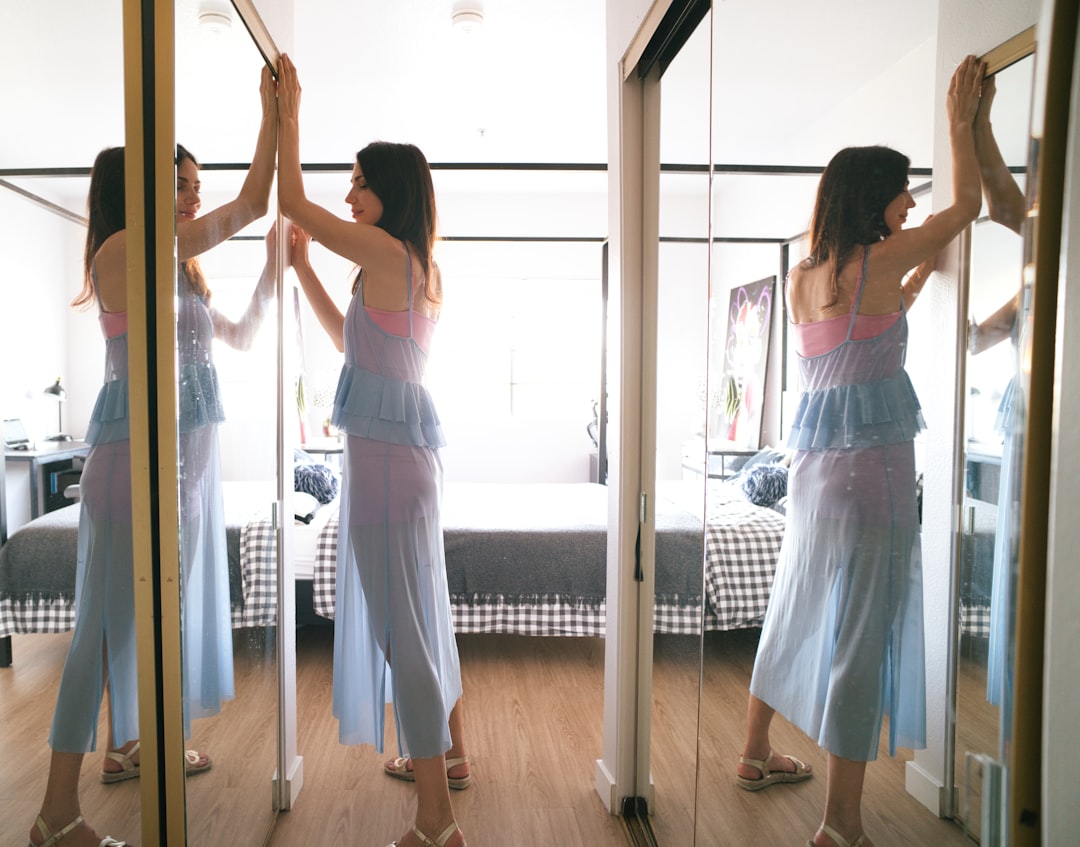
There’s a very specific kind of woman who always looks put together online. Her mirror selfies are calm. Her outfits don’t beg for attention. Her closet never seems to be in chaos, even though real closets are usually a little messy.
And when you look closer, the trick is rarely that she bought more. It’s usually that she bought less, and chose with more discipline.
I keep noticing this in online fashion spaces. The women who look the most stylish are often not the ones posting giant hauls. They’re the ones who can wear the same black trouser, white tee, and sharp jacket formula six different ways and still make it feel fresh. That’s not luck. That’s editing.
A few months ago, I watched a friend do the most revealing kind of shopping. She opened an app at 11:40 p.m., already tired, already vulnerable to a sale banner. In ten minutes she had three tops in her cart, two of which were basically the same shape she already owned, and one pair of shoes she liked only because they were marked down 40 percent. She said, very sincerely, “I just need a refresh.”
Two weeks later, those tops were still folded on the chair. The shoes had a blister story attached to them. The thing she actually wore on repeat was the same straight-leg jean, cream knit, and loafers she had bought months earlier after thinking about them for three days instead of three minutes.
That’s the part people miss about online fashion. The feed makes buying look like progress. The wardrobe knows better.
The algorithm is built to keep your eye moving. It is very good at offering the next thing, the slightly better thing, the cheaper thing that feels like a smart decision in the moment. But choice overload is real. When every scroll gives you twelve “must-haves,” your brain stops asking, “Do I need this?” and starts asking, “What if I miss it?”
That’s how women end up with closets full of almost-right clothes. A blouse that only works with one bra. A skirt that looked elegant on a model but fights with every shoe you own. A blazer that technically fits, yet somehow makes you feel like you’re borrowing someone else’s life.
I’ve seen this in my own closet too. The pieces that survive are almost embarrassingly ordinary: a crisp shirt, a mid-rise trouser, a cardigan that doesn’t itch, a bag that can be carried without thinking. Not exciting, just useful. And useful, after enough wear, starts to look like style.
That’s why capsule wardrobe thinking keeps coming back. Not because minimalism is morally superior, but because it forces an honest question: what are my actual wardrobe essentials, and what was I buying for the fantasy version of myself?
If you want a practical example, look at something like The Ultimate 10-Piece Spring Capsule Wardrobe. The point isn’t that ten pieces is magical. The point is that constraints make taste visible. Once you limit the volume, you can finally see whether your style has a shape.
There’s also a quieter psychological reason this works. Decision fatigue is brutal. By the end of the day, most people don’t want to curate. They want relief. That’s why “buy more” can feel emotionally soothing even when it’s financially messy. Each new item promises less friction, a better morning, a prettier life. Then you wake up, stare at the pile, and still feel like you have nothing to wear.
The women who look stylish online often solve that problem by narrowing their options before the morning ever starts. They choose a palette. They repeat silhouettes. They know which neckline flatters them in video and which hemline makes them look shorter in photos. That isn’t boring. That’s self-knowledge.
If neutral dressing is your lane, the same logic applies. The difference between flat and polished usually isn’t quantity. It’s texture, proportion, and restraint. I wrote more about that in How to Style Neutral Colors Without Looking Boring, because honestly, beige only gets a bad reputation when people keep buying the wrong beige.
And if you’re dressing for work, the same “buy less, choose better” instinct can save you from the 8:15 a.m. panic spiral. A small rotation of office-safe pieces will outperform a crowded closet almost every time. You can see that logic in Spring Office Wear Edit: 5 Looks to Copy, where the best outfits are really just repeatable formulas with cleaner lines.

Here’s the real shift: stylish women online are not usually collecting clothes. They’re collecting answers.
What works with my body? What survives a long day? What still looks good when I’m rushing, sitting, walking, or taking a selfie in bad light? What can I wear three times in one month without feeling repetitive?
That last question matters more than people admit. A piece that can be worn 30 times is not a boring purchase. It’s a smart one. The cost per wear drops, yes, but more important than that, the item starts carrying your actual life instead of a shopping fantasy.
This is also why affordable fashion can be brilliant when it is selective. Cheap is not the enemy. Randomness is. A $28 shirt that works with five things you already own is a better buy than a $120 trend piece that needs a whole new personality to make sense.
That’s why a lot of people end up happier after building around wardrobe essentials instead of chasing every trend. The closet gets quieter. Getting dressed gets faster. Your style starts to feel less like a performance and more like a signature.
And that’s the part that reads as stylish online. Not the volume. The consistency.
I keep thinking about my friend’s chair piled with “good deals” and the one outfit she actually wore all month. That’s the whole story, really. The closet full of options looked busy. The repeated outfit looked like her.