Fashion Deals Are Not the Freedom You Think They Are — They’re a System Designed to Make Your Closet Feel Busy, Not Better
The Sale Isn’t Freedom. It’s the Trap That Makes Your Closet Look Productive.
I used to think fashion deals were a kind of adult victory lap. You catch the markdown at the right time, you save money, and you walk away feeling like you beat the system. Clean win.
The older I get, the more I think the system is the thing that wins.
Fashion deals for women are especially good at dressing up pressure as choice. The email says you’re being smart. The app says you’re being early. The clearance rack says you’re being practical. By the time you’ve clicked through three tabs and convinced yourself that a 40 percent discount is basically a moral achievement, the real transaction has already happened. You didn’t just buy a top. You gave away attention, judgment, and a little bit of peace.
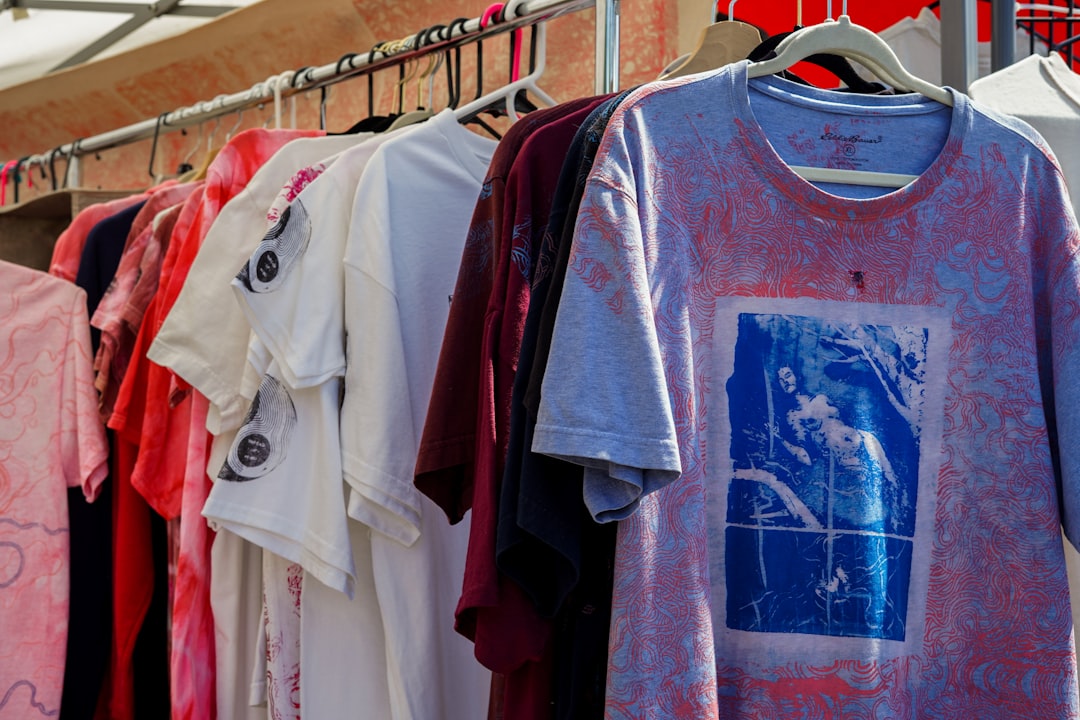
The strange part is that the closet never feels calmer after a good deal binge. It feels busier. More promising, maybe. Not better.
I’ve seen this in my own life in the ugliest, most ordinary way: a black knit top bought on clearance because it was “under budget,” worn twice, then shoved behind a blazer that never fit right. A pair of trousers that looked sharp online and turned shiny at the knees after one wash. A return pile on the chair that starts as “I’ll deal with it tomorrow” and becomes a month-long background object. That pile is the real receipt. It tells you what the discount didn’t fix.
This is why fashion deals clearance can be such a sneaky kind of clutter. The price is lower, sure. The cost is not. If the fabric pills after two wears, if the shoulder line is off, if the hem only works with one specific shoe you never actually wear, you didn’t save money. You rented regret at a discount.
Retail design knows exactly how to make that confusion feel like progress. The urgency cues are not just there to create FOMO. They compress deliberation time. A countdown timer, a low-stock badge, a 9:14 p.m. email with subject line energy like “ending soon” all do the same thing: they shrink the space between wanting and buying. Less time means less comparison. Less comparison means less doubt. Less doubt feels like freedom, until you realize you never really chose. You were nudged.
That’s the part people miss when they talk about fashion deals today as if the only question is whether the price is good enough. Price is the easiest thing to see. Fit, wear frequency, fabric behavior, and closet compatibility are the things that quietly decide whether an item earns its place. A bargain that doesn’t get worn is not a bargain. It’s just a fast way to fill a hanger.

There’s a reason decision fatigue hits hardest at night. Around 9:14 p.m., after a day of work, messages, errands, and one too many tiny decisions, your brain is not craving excellence. It’s craving relief. That’s when a “fashion deals under budget” banner feels almost medicinal. You’re not only shopping for clothes. You’re shopping for the feeling that you handled something efficiently.
That feeling is powerful because it gives you instant self-approval. “I stayed under budget” sounds responsible, even when the item is wrong for your life. I’ve watched people buy three cheap tops because each one was “basically free,” then spend the next week trying to style around them. The closet gets louder. The mornings get slower.
This is where consumer psychology gets annoying in a useful way. Scarcity doesn’t just make things seem rare. It makes action feel urgent enough to bypass reflection. That’s why fashion deals for women can be so sticky: they sit right at the intersection of identity and self-control. You’re not just deciding whether to buy a dress. You’re deciding whether you are the kind of person who misses a deal, or the kind who knows how to “win” one.
That identity pressure is expensive.
A smarter question is not “Is this on sale?” It’s “Would I want this if it were full price, and would I still want it after three washes and one real week of wear?” That second part matters more than people admit. A lot of clearance pieces are not bad because they’re cheap. They’re bad because they were designed to survive the rack, not the rotation.
If you want a cleaner wardrobe, the better move is to buy fewer things that can actually carry weight. That is why a tight capsule, like The Ultimate 10-Piece Spring Capsule Wardrobe, makes more sense than chasing every markdown that flashes across your screen. A small, coherent wardrobe is harder to seduce, but it’s also much easier to live in.

And if your closet is already full of “good deals” that don’t quite work, the fix is not more shopping. It’s editing. Try this:
- Pull out the items you wore in the last 30 days.
- Separate the ones you reached for because they fit your life, not because they were cheap.
- Put the rest in a “maybe” pile for two weeks.
- If you didn’t miss them, they were never wardrobe essentials.
That little exercise usually exposes the lie. The closet may be packed, but the useful part is often tiny.
The same logic applies when you’re tempted by fashion deals clearance that promise a whole new vibe for almost nothing. Sometimes you don’t need a new vibe. You need a better base. Neutral pieces, for example, can be incredibly useful when they’re cut well and styled with intention, which is why pieces like How to Style Neutral Colors Without Looking Boring are worth thinking about in the context of wardrobe function, not just aesthetics. A good neutral does more work than five random sale items.
What I’ve come to trust is this: the best fashion deals are the ones that reduce noise. They help you buy less, but better. They make the closet quieter. They don’t flatter your impulse. They respect your future self.
That’s the real split line. Fashion deals today can either serve your wardrobe or feed your appetite for activity. One leads to fewer decisions, better outfits, and less waste. The other gives you the little dopamine hit of “I got a deal” and leaves you standing in front of the mirror with nothing to wear.
And that’s why the whole thing matters. Not because discounts are evil. They’re not. Because a deal that keeps your closet busy is not freedom. It’s just a very efficient way to stay confused.