She Didn’t Look Richer by Buying More — She Built a Wardrobe That Made Every Outfit Feel Expensive
The Closet Problem Is Usually Not “I Have Nothing to Wear”
It’s this: you have plenty to wear, but almost nothing looks finished.
That’s the part people usually don’t say out loud. They’ll blame shopping, but half the time it’s really a system problem. A closet full of isolated pieces is not a wardrobe. It’s a pile of good intentions. One nice blazer. Two almost-right jeans. A satin top that looked smart in the fitting room and then felt strangely loud next to everything else at home.
The women who consistently look expensive are usually not buying more. They’re building a repeatable outfit system. That’s the real logic behind luxury style and quiet luxury outfits: not a bigger closet, but a cleaner one. Not more novelty, but more coherence.
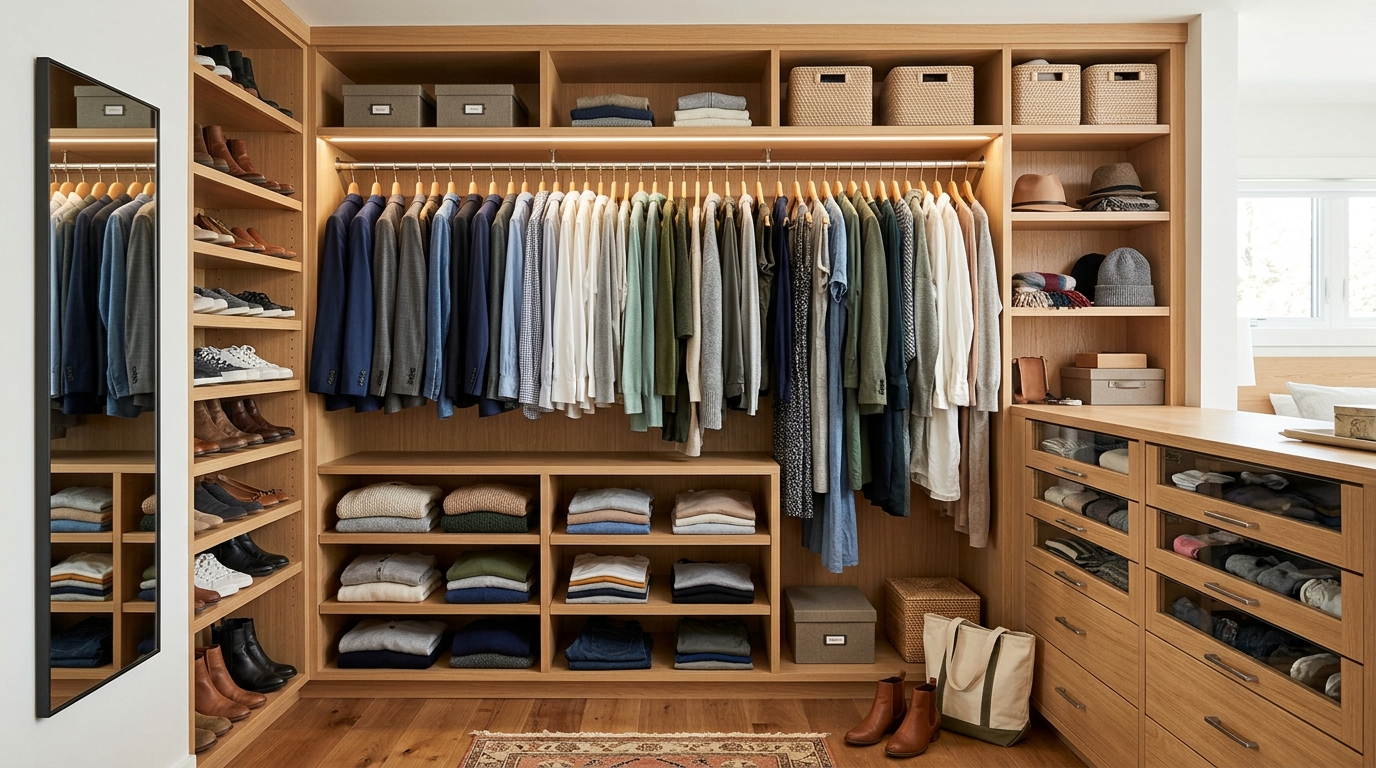
I’ve seen this in everyday style again and again: the person who owns 40 things but wears 12 of them looks more put together than the person with 120 pieces and no reliable formula. That’s not magic. That’s judgment. And judgment is a lot rarer than money.
Why “More Clothes” Often Makes You Look Less Expensive
A lot of people think the problem is taste. I think it’s decision fatigue.
When your closet is too crowded, your brain starts taking shortcuts. You grab the top that is “fine,” the pants that are “okay,” the shoes that are “good enough.” The result is a look that technically works but never quite lands. It feels temporary. Like you got dressed on the way out the door, not on purpose.
That’s why capsule wardrobe essentials matter. They cut down the number of decisions you have to make before 8 a.m. And once the noise drops, your actual style shows up.
There’s also a social perception piece here that people underestimate. Repetition reads as competence. If someone sees you in a similar silhouette, similar palette, and similar level of polish, they usually don’t think, “Oh, she’s boring.” They think, “She knows what works.” That’s a very different signal.
The trick is that expensive-looking style is rarely about obvious luxury. It’s about proportion, fabric behavior, and consistency. A great coat with cheap-looking pants still looks off. A beautiful knit that pills after two washes stops feeling luxurious fast. A bag that is the right size but fights the rest of your outfit can throw off the whole line of the look.
The Wardrobe Formula I’d Actually Trust
If I were rebuilding a wardrobe from scratch, I would not start with trends. I would start with a small, boring, dependable base.
-
Pick one color family and stay close to it
Neutrals work because they lower visual friction. Black, ivory, navy, camel, charcoal, chocolate, stone. You do not need all of them. You need a tight range that lets pieces talk to each other.
If you’ve ever bought a “neutral” item that somehow matched nothing, you know exactly how expensive a bad neutral can be. A warm beige sweater with cool gray trousers can look strange in a way that’s hard to explain and impossible to ignore.
If you want a deeper breakdown of this, How to Style Neutral Colors Without Looking Boring is the right companion piece.
-
Choose silhouettes that repeat well
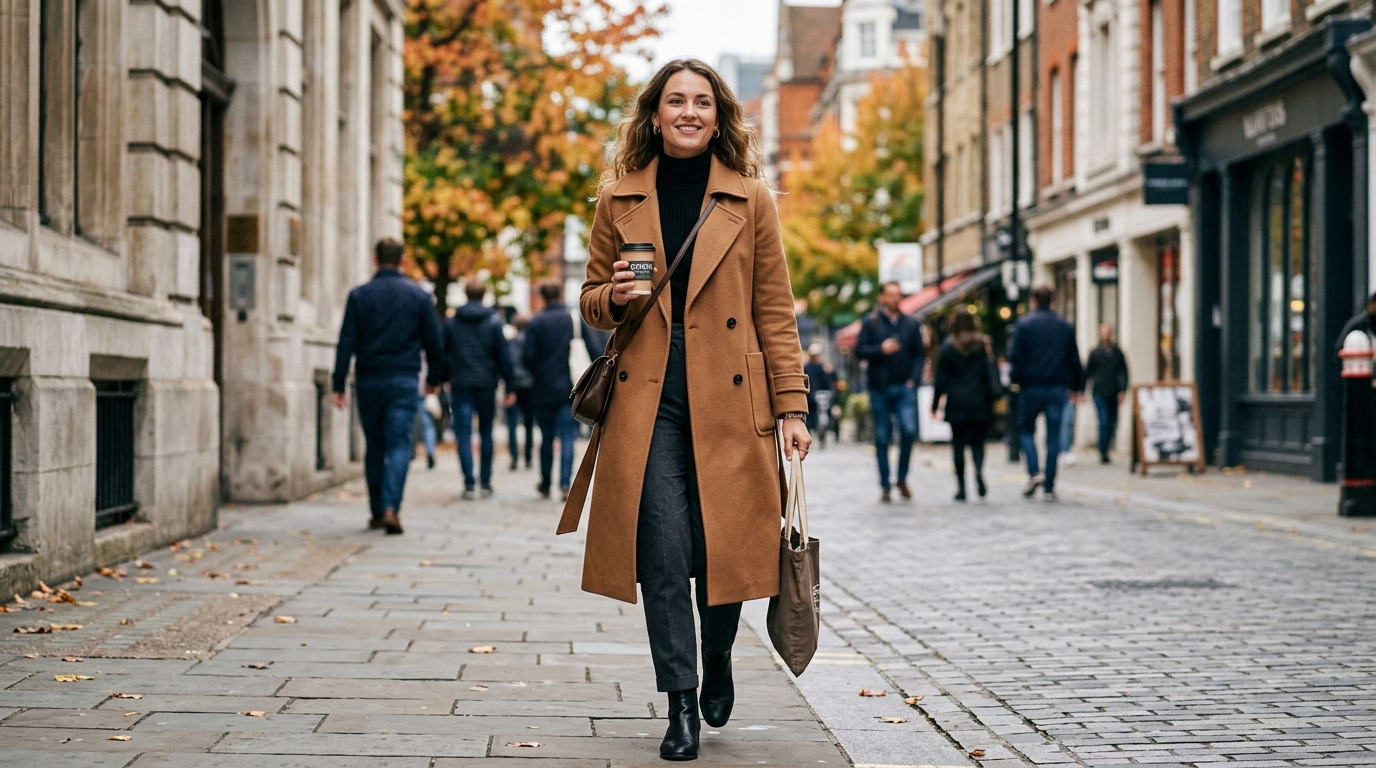
Quiet luxury outfits usually rely on shapes that are easy to remix: straight-leg trousers, a slightly relaxed blazer, a clean knit, a fluid midi skirt, a crisp shirt, a long coat. Nothing too fussy. Nothing that needs a special occasion to justify itself.
The mistake I see most is buying statement pieces that are difficult to pair. The dramatic puff sleeve, the ultra-wide hem, the shoe shape that only works with one pant length. They look exciting in isolation and annoying in real life.
-
Invest in texture, not just price
Price does not automatically create luxury style. Texture does more work than people realize. A dense knit, matte wool, soft leather, cotton poplin with structure, silk that drapes instead of clinging. These materials make everyday style feel calmer and more intentional.
And yes, fabric failure is real. I once watched a black knit sweater go from “elevated basics” to “why does this look tired already” after three washes because it started pilling at the underarm and along the side seam. That kind of thing matters more than the label.
-
Repeat outfits on purpose
This is where the whole thing becomes believable.
One of the most expensive-looking habits is wearing the same strong formula three times in one week without apologizing for it. Think: ivory tee, tailored trousers, loafers. Or black tank, straight jeans, trench. Or fine knit, midi skirt, low-heel pump. The repetition creates a visual signature.
That is not laziness. That is a system.
The Pieces That Pull the Whole Closet Up
A good wardrobe does not need a hundred heroes. It needs a few pieces that carry their weight.
- A blazer with clean shoulders, not cartoonishly sharp ones
- Straight-leg trousers that skim, not cling
- A white shirt that is opaque enough to wear without strategic layering
- A knit that holds its shape after sitting at a desk all day
- Loafers or slim leather flats that do not make the foot look heavy
- A structured bag that still looks good when it is not full
- One coat that makes even jeans look considered
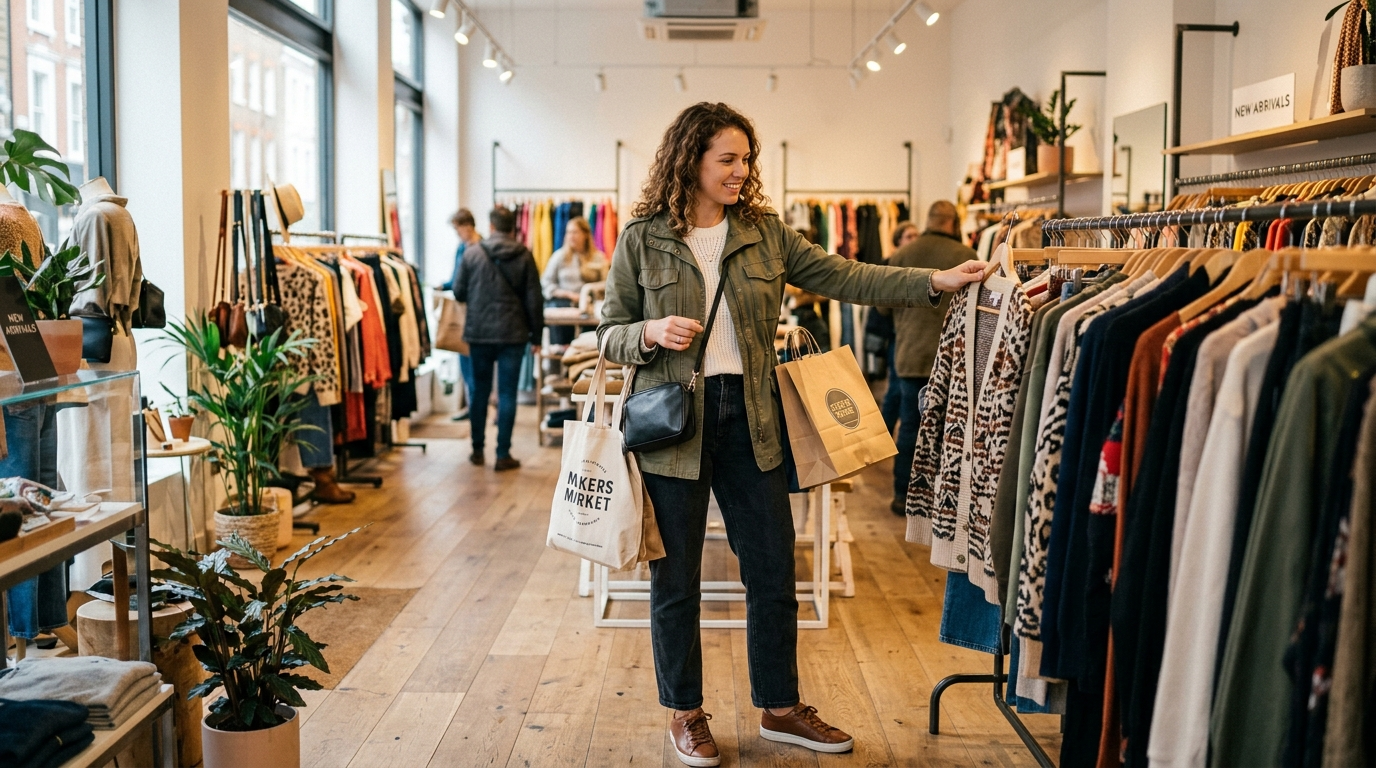
If you are building around everyday style, this is where you should spend your attention. Not on chasing “the item of the month,” but on pieces that make the rest of your wardrobe easier.
That’s also why The Ultimate 10-Piece Spring Capsule Wardrobe makes sense as a practical framework. The number is less important than the logic: every piece should earn its place in at least three outfits.
And if you work in an office, the same rule applies with even less mercy. Office clothes that only work once are dead weight. You want combinations that can survive Monday fatigue, Wednesday meetings, and Friday lunch without looking like you ran out of ideas. That’s why a smart edit like Spring Office Wear Edit: 5 Looks to Copy can be useful, not because the looks are trendy, but because they show how repetition can still feel polished.
The Part Nobody Wants to Admit About Looking Expensive
A lot of “cheap-looking” outfits are not cheap. They’re just chaotic.
The bag is expensive, but the proportions are off. The shoes are nice, but the hem is wrong. The sweater is soft, but it slouches in a way that makes the whole body look less composed. That’s why people keep buying their way into frustration. They think the missing ingredient is a better object, when the missing ingredient is a better relationship between objects.
This is where psychology gets useful in a very non-theoretical way. Decision fatigue makes people reach for random pieces. Identity anxiety makes them keep shopping for a version of themselves that doesn’t exist yet. Scarcity bias makes them overvalue whatever feels rare in the moment, even if it won’t fit into the closet.
So if your wardrobe feels messy, don’t ask, “What should I buy next?” Ask, “What do I keep reaching for, and why does it work?” That question is quieter. It’s also much more expensive-looking.
A Simple Reset Plan That Actually Works
If you want your wardrobe to start doing the heavy lifting, use this.
- Pull out the 15 items you wear most.
- Notice the common thread: color, fit, fabric, or silhouette.
- Remove the pieces that only work with one thing.
- Replace the weakest category first, not the most exciting one.
- Build outfits, not shopping lists.
The biggest mistake is buying a new top because it is “nice” when your real problem is that none of your pants are the right length. Or buying a trendy shoe when your bags all fight with your palette. Fix the system first. The fun stuff comes later.
That’s the quiet luxury lesson people often miss. It is not about pretending you do not like clothes. It is about liking them enough to stop treating each purchase like a standalone event.
A wardrobe that feels expensive is usually a wardrobe that has been edited hard. Less impulse. More repetition. Fewer personalities in one closet. More clarity in the mirror.
And honestly, that clarity is the luxury most people are actually after.