Chic Style Is Not About Looking Rich—It’s About Refusing the Outfits That Make You Look Like You’re Still Shopping for an Identity
Chic Is Not a Price Tag. It’s a Filter.
The easiest way to spot truly chic women is not by the logo on their bag or the label on their coat. It’s by what they refuse to wear.
That sounds harsher than I mean it. What I’m really saying is this: chic style is less about collecting the “right” pieces and more about saying no to the outfits that make you look like you’re still shopping for an identity. You know the ones. The blouse that leans a little too sweet. The pants that are technically on trend but somehow cut your legs off at the knee. The blazer that looks polished on the hanger and turns weirdly costume-like the second it hits your body.
A lot of people think chic style clothing women is about looking expensive. I think it’s about looking settled.
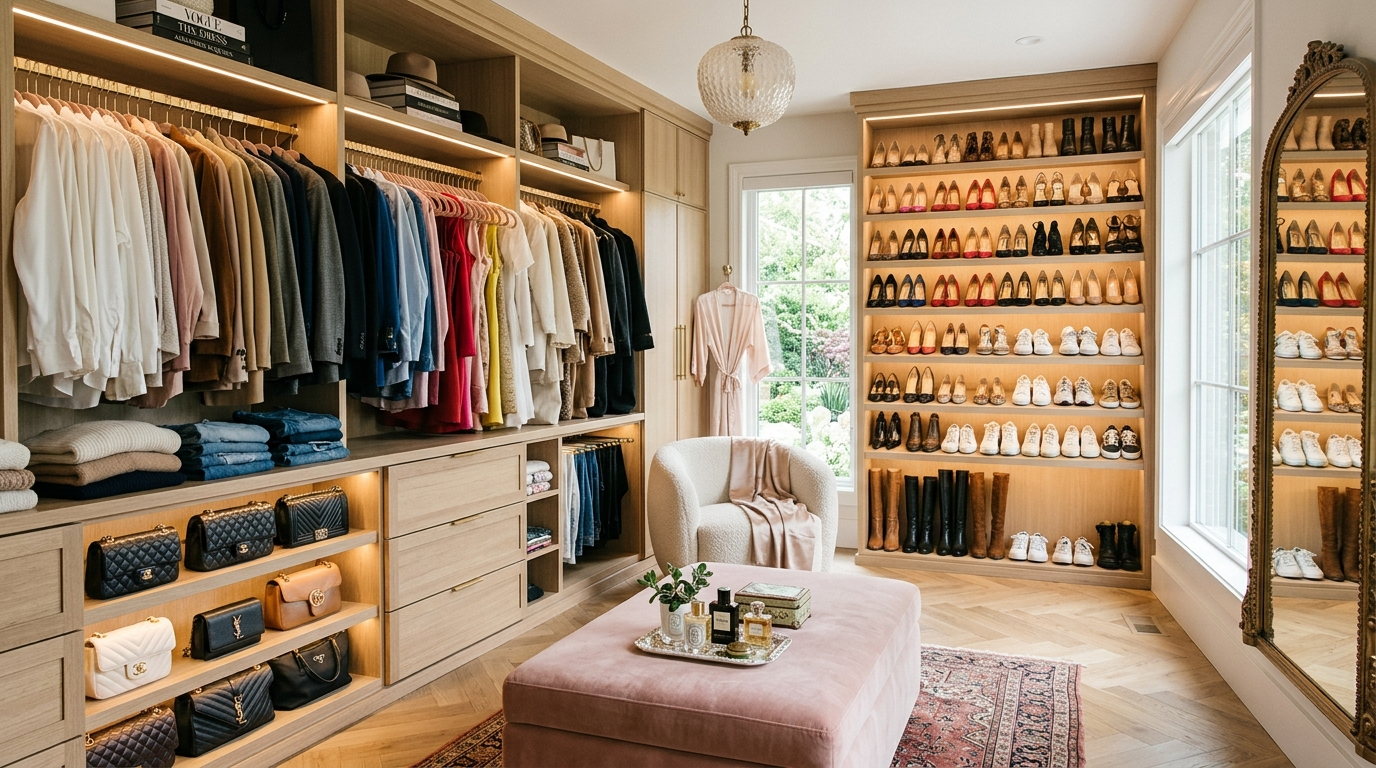
When someone has a clear point of view, you can feel it in the clothes before you can explain it. The hem lands where it should. The shoulder line doesn’t fight the body. The shoes don’t beg for attention. Even the “simple” outfit has that quiet confidence that makes people assume she knows exactly who she is, even if she’s just wearing a black sweater and straight-leg jeans.
That’s the part people miss when they try to copy chic style by shopping more. They buy the vibe instead of building the system.
The Real Problem Is Identity Rehearsal
Most wardrobes are not full of bad taste. They’re full of temporary selves.
One day you want to look artsy, so you buy the wide-leg trousers. Another day you want to look effortless, so you get the oversized linen shirt. Then you want to look feminine, then expensive, then cool, then minimal. Before long, the closet starts reading like a group chat of competing opinions.
That’s why a capsule wardrobe works so well for everyday outfits. It cuts down the noise. It doesn’t make you boring; it makes you legible.
Psychologically, this matters more than people admit. Clothes are often a form of identity rehearsal. We put on a version of ourselves and test how it feels in public. That’s normal. The problem is when the rehearsal never ends. You keep buying pieces that let you try on a new personality, but they don’t belong to the life you actually live.
And that’s where chic gets confused with expensive. If you’re still in identity rehearsal mode, even a pricey outfit can look unsettled.
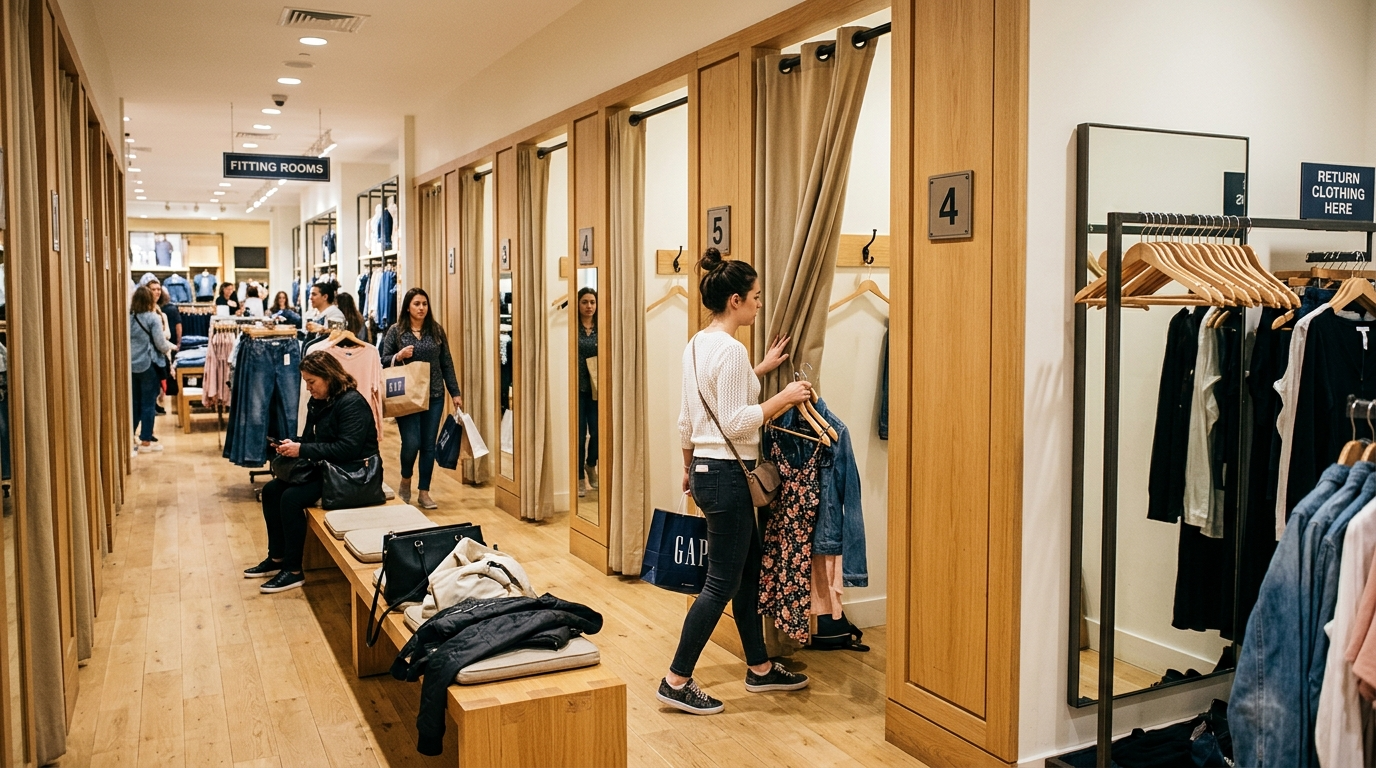
I’ve seen this in fitting rooms more times than I can count. A woman tries on a beautiful cream blazer, but the sleeves are just a little too long and the shoulders are a little too sharp. She says, “It’s nice, but I don’t know if it’s me.” That sentence is the whole story. The item may be objectively good. It just isn’t coherent with her body, her routine, or the rest of her wardrobe.
Chic Style Clothing Women Usually Share One Habit: They Edit Ruthlessly
This is the part nobody wants to hear because it sounds less glamorous than shopping.
The women who look consistently chic are often not the ones with the biggest closet. They’re the ones who have already done the hard, slightly annoying work of editing out the pieces that create friction.
Friction shows up in small ways:
- a skirt you keep tugging down
- a neckline that needs constant adjusting
- shoes that force you to change your posture
- a jacket that makes every outfit feel overdressed or underdressed
- pants that look fine in the mirror and wrong in motion
These are not dramatic failures. They’re worse. They’re quiet daily annoyances that drain confidence one morning at a time.
A real closet edit usually changes the whole mood of dressing. I once helped a friend clear out six tops that were all “fine” and all useless. They were different shades of beige, slightly different necklines, all bought because they seemed versatile. But none of them worked with her actual jeans, and none of them survived a full day without fussing. Once those were gone, her outfits got simpler fast: one white tee, one navy knit, one crisp shirt, two good trousers. Suddenly she wasn’t getting dressed to negotiate with her wardrobe.
That’s what chic style clothing women often understand intuitively. They don’t chase variety for its own sake. They protect consistency.
If you want a practical starting point, The Ultimate 10-Piece Spring Capsule Wardrobe is a useful way to see how a small set of pieces can carry a whole season without making you feel trapped in repeats.
Why Repeated Silhouettes Look More Expensive Than Random Variety
There’s a reason some people look instantly put together even in affordable fashion.
The eye likes repetition. When your silhouette stays consistent, people process you faster. They don’t have to relearn your proportions every time you walk in. That creates recognition, and recognition reads as confidence.
This is one of the sneaky truths behind chic style. It’s not only about the clothes. It’s about reducing visual uncertainty.
A woman who always wears clean lines, low-contrast color pairings, and a familiar shoe shape can wear very ordinary pieces and still look intentional. Her outfit doesn’t ask questions. It answers them.
That’s why a capsule wardrobe is so powerful. It creates a visual language. Same general trouser shape. Same kind of outerwear. Same family of shoes. Different pieces, yes, but not a different character every morning.
And this is where a lot of affordable fashion goes off the rails. The price is not the issue. The issue is randomness. Ten cheap items that don’t talk to each other are more expensive in practice than five good ones that do.
If you’ve ever stared at a full closet and thought, “I have nothing to wear,” that’s not a shopping problem. It’s a coherence problem.
Neutral Does Not Mean Flat
People hear “neutral” and immediately picture safe, dull, and slightly apologetic.
That’s usually because they’ve seen neutral colors used without any tension. Beige on beige. Gray on gray. White tee, black pants, no thought. It’s not chic. It’s a waiting room.
The better version is quieter but sharper. You use neutrals like a frame, not a surrender. Texture does the work. Proportion does the work. One strong shape does the work.
If you want a deeper dive into how to keep a muted palette from looking sleepy, How to Style Neutral Colors Without Looking Boring is worth a look because the trick is not adding more color. It’s adding more intention.
A cream sweater with dark denim and a pointed flat feels different from a cream sweater with soft leggings and tired sneakers. Same color family, totally different message. One says “I got dressed.” The other says “I ended up here.”
That distinction matters more than people think.
Everyday Outfits Should Make Decision Fatigue Smaller, Not Bigger
Most women do not need more inspiration. They need fewer decisions.
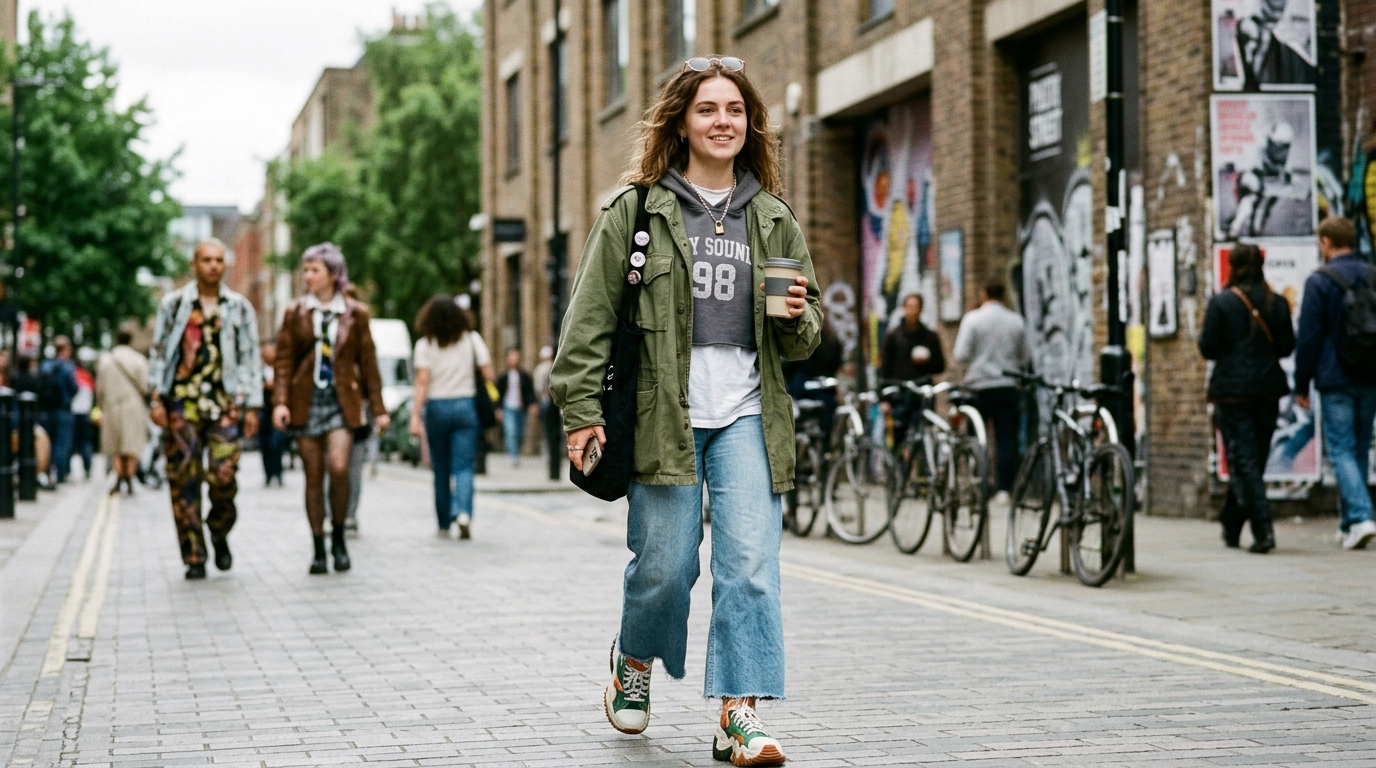
That’s the real gift of chic style women who have figured themselves out. Their everyday outfits are not a daily creative project. They’re a reliable system.
This is where the psychology gets practical. The brain likes shortcuts when the stakes are low. If your wardrobe already contains pieces that work together, getting dressed becomes a low-friction task. You’re not making identity choices before coffee. You’re making repeatable decisions based on a framework you already trust.
That lowers decision fatigue in a very real way. And once the morning feels lighter, the whole day feels less scattered.
The best wardrobes are not full of “special” pieces. They’re full of dependable ones that still feel like you on a bad hair day, a rushed Monday, or a day when you have exactly twelve minutes to leave the house.
That’s why I trust a good office edit when I see one. Not because everyone needs corporate clothes, but because office dressing is where coherence gets tested fast. If your outfit can survive a meeting, a lunch run, and an unexpected after-work plan, it’s probably doing real work.
Spring Office Wear Edit: 5 Looks to Copy is a solid example of how structure can still feel modern without turning into stiff “professional” costume.
The Quiet-Luxury Hangover Made This Even Clearer
A lot of people are tired of clothes that try too hard.
That fatigue is part of why chic style has shifted away from obvious status signals. Not because people stopped caring, but because they got tired of outfits that announce themselves before the person wearing them even enters the room.
The newer mood is more restrained. Less “look what I bought,” more “this is what works.” That’s a healthier place to dress from, honestly. It also makes affordable fashion easier to use well, because the goal is no longer to imitate wealth. The goal is to create clarity.
And clarity is cheaper than confusion.
That doesn’t mean every outfit has to be minimal or beige or quiet. It means every piece should earn its place. If a jacket only works with one thing in your closet, it’s probably not part of your style. If a top makes you feel like you need a new personality to wear it, same