Modern Style Is Not About Trendy Clothes — It’s About the Hidden Rules That Make an Outfit Look Current
Modern Style Is Not About Trendy Clothes
Last week I was in a downtown office lobby waiting for a friend when two women walked past in outfits that, on paper, sounded almost too plain to matter: one had a crisp white shirt and straight black trousers, the other wore a gray knit dress with clean ankle boots. Nothing was loud. No logo doing the heavy lifting. No trend trying to announce itself. And yet both looked more current than the people around them in obviously expensive, obviously new pieces.
That’s the part people keep missing. Modern style is not about trendy clothes. It’s about visual order. If the proportions are calm, the lines are clear, and the pieces aren’t fighting each other, the whole look reads as contemporary even when every item is basic.

We’ve been taught that style updates come from shopping. New season, new silhouette, new bag, new shoe. But in real life, most wardrobes do not need a full refresh. They need editing. A blazer hem that stops at mid-hip instead of swallowing the body. Pants that fall straight instead of pooling at the ankle. A neckline that leaves a little space instead of crowding the face. That’s the hidden rule set behind women’s modern style.
And honestly, that’s why so many outfits that are technically “good” still feel old. Not because the pieces are wrong. Because the relationship between them is off.
The modern look is built on restraint, not noise
There’s a reason some women look pulled together in five minutes while others spend 25 and still feel slightly off. The first group usually understands one thing: modern outfit ideas work best when they reduce visual friction.
That means fewer competing ideas in one outfit. If the top is structured, let the bottom stay easy. If the pants are wide, keep the top neat. If the fabric has shine, let the shape stay simple. When everything is asking for attention, the eye gets tired. When one or two elements lead and the rest support, the outfit feels calm and expensive in the best sense.
This is where a lot of people get trapped by trend culture. They buy the “right” item, then pair it with three other items that belong to different style languages. A trendy top with a dated shoe. A modern bag with overly fussy jewelry. A sharp blazer with soft, sloppy denim. The outfit doesn’t fail because of any single piece. It fails because the pieces are speaking different dialects.
If you want a shortcut, How to Style Neutral Colors Without Looking Boring is basically the same lesson in another form: neutral does not mean lifeless. It means you have to let proportion, texture, and shape do the work.
What actually makes an outfit look current
Modern style is a visual system. I know that sounds tidy, but it’s true. When an outfit looks current, it usually hits four things at once.
The silhouette is clear. Not tight for the sake of being tight, not oversized for the sake of hiding. Just clear. You can tell where the body is, and the clothes are not drowning it.
The proportions feel intentional. A cropped jacket with higher-waisted trousers. A longer shirt with slim straight pants. A midi skirt with a shoe that doesn’t cut the leg in a weird place. Tiny decisions, huge payoff.
The materials look considered. Matte with matte can go flat. Too much shine can look costume-y. The sweet spot is usually one texture that carries the outfit and one that softens it.
The finishing touches are quiet. Shoes, bag, belt, jewelry. None of them need to be the star. They just need to agree with the rest of the look.
A pointed-toe flat can make a simple pant outfit feel sharper. A rounded toe can make the same outfit feel softer and older. A satin blouse under harsh office lighting can look elegant if the cut is clean, but cheap if the neckline and sleeve shape are fussy. These are small things, but modernity lives in small things.

Modern wardrobe essentials are not about owning more
People hear capsule wardrobe and think limitation. I think of it more as removing static. A good capsule wardrobe is not a uniform. It’s a set of pieces that can keep making sense together on a rushed Tuesday morning when you have 8 minutes, one meeting, and zero patience.
That’s why the best modern wardrobe essentials are not necessarily the most exciting items in the closet. They are the ones that stabilize everything else.
A strong white shirt. Straight-leg trousers. A blazer with a clean shoulder. A knit that doesn’t cling in the wrong places. A shoe with a shape that matches your actual life, not just your saved folder. If you build around those anchors, modern outfit ideas become much easier to assemble.
The trick is not to buy a lot of “essentials” because the label sounds responsible. The trick is to buy the right versions for your body and your routine. A white shirt that wrinkles after one subway ride is not an essential. A blazer that pulls across the back is not an essential. A bag that looks pretty but can’t hold your daily life is not an essential. It’s just clutter with good branding.
If you’re trying to build a cleaner base, The Ultimate 10-Piece Spring Capsule Wardrobe is useful not because spring is magical, but because it shows how a small set of pieces can carry a lot of visual order.
The psychology behind modern style is surprisingly simple
People read calm as confidence. That’s the real engine here.
In a meeting, a woman in a balanced silhouette often looks more composed before she even speaks. At dinner, a clean outfit lets her face and posture do the talking. In photos, the eye lands faster when the outfit has clear lines and no visual clutter. This is not vanity. It’s how perception works.
Designers know this. Editors know this. Even the casual observer knows it, though they may not have words for it. We trust what feels edited. We trust what seems chosen, not assembled by accident. Modern style borrows that logic and turns it into clothing.
That’s why women’s modern style often feels less like “fashion” and more like judgment. It tells people you know what to leave out. In style, leaving out is a skill.
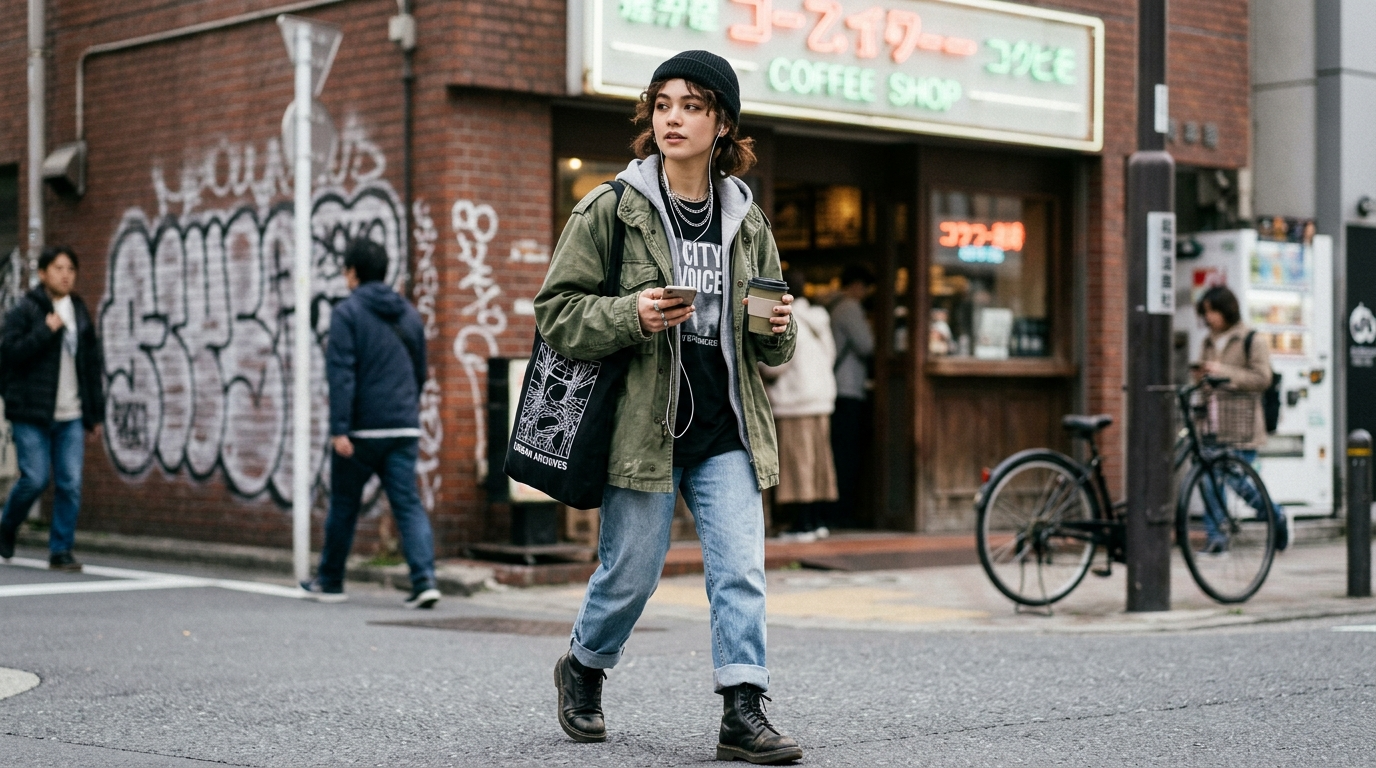
A simple way to test your own outfit
If you stand in front of the mirror and something feels old, don’t start by asking whether the top is trendy enough. Ask these three questions:
Does the silhouette make sense from shoulder to hem?
Do the proportions feel clean, or are they fighting each other?
Is there one clear idea in the outfit, or four ideas competing?
That quick check solves more problems than buying a new top ever will. I’ve watched people fix an outfit by swapping a bulky sneaker for a sleeker loafer, tucking in a shirt properly, or changing a bag with too much hardware. No shopping trip required. Just a better eye.
And that’s the quiet truth behind modern style. It’s not a shopping category. It’s a way of editing yourself in public.
The best modern looks feel almost effortless
The most convincing outfits rarely look like they tried to prove anything. They look awake. Current. A little restrained. They make room for the person wearing them.
That’s why I’d rather see a woman in a well-cut blazer, straight trousers, and a plain tee than in three “it” items that will feel tired by next season. The first look has staying power. The second has noise.
If you want to build a wardrobe that keeps working, think less about chasing the next trend and more about tightening the rules you already use. That’s where modern wardrobe essentials really earn their name. Not by being flashy. By making every outfit feel like it belongs to the same clear point of view.
And once you see that, you stop asking, “What’s in style right now?” You start asking, “What makes this look feel current?” That shift changes everything.