Fashion Deals Are Not the Freedom You Think They Are — They’re a System Designed to Make Your Closet Feel Busy, Not Better
The Sale Trap Isn’t the Price Tag. It’s the Feeling That You’ve “Done Something”
You open fashion deals today just to look. Fifteen minutes later, the cart has four discounted tops, two skirts that seem “surprisingly versatile,” and one pair of shoes you can already hear yourself defending to a friend: “They were such a good deal.”
Then the package shows up. You try everything on once, maybe twice. One top looks great in the mirror and dead in daylight. One skirt needs a better bra, a better shoe, and honestly a better mood. Three weeks later, the whole pile is sitting in your closet like it’s waiting for a different version of you to appear.
That’s the part nobody says out loud: a lot of fashion deals are not built to make your wardrobe better. They’re built to make your cart feel busy.

What a “good deal” actually means for your closet
The cheapest item is not the best purchase. The best purchase is the one you actually wear.
That sounds obvious until you’re staring at fashion deals clearance and the price tag starts doing emotional damage in reverse. An $18 top feels responsible. A $68 top on sale feels like a splurge. But if the cheaper one only works with one pair of pants, one bra, and one very specific weather condition, it may end up being the expensive mistake.
Here’s the cleaner rule I use when I’m trying not to get seduced by markdown math:
- If it can’t work with at least 3 things you already own, skip it.
- If it only fits one occasion, it is not a wardrobe helper.
- If the styling cost is high, the deal is probably fake.
That last one matters more than people think. A piece can be cheap and still cost you time, accessories, tailoring, or mental energy every time you wear it. That’s not savings. That’s a subscription to regret.
A cheap item that gets worn ten times is cheaper than a “great deal” that disappears after one selfie.
The system behind fashion deals: urgency, fatigue, and the illusion of control
Fashion deals work because they hit a few very human nerves at once. Scarcity says buy now. Discount anchoring says you’re saving money. Choice overload says grab it before it’s gone. Retail psychology is basically a pressure machine with a pretty interface.
And clearance gets sneakier. Once something is marked down enough, your brain stops asking the useful question, which is: Do I need this in my real life? It starts asking the easier question: Can I justify not buying it?
That’s why fashion deals clearance can be so dangerous. The lower the price, the easier it is to confuse activity with progress. You feel decisive. You feel smart. You feel like a person who has her life together because she found a good deal on a blouse she may never wear.
The closet, of course, is less impressed.
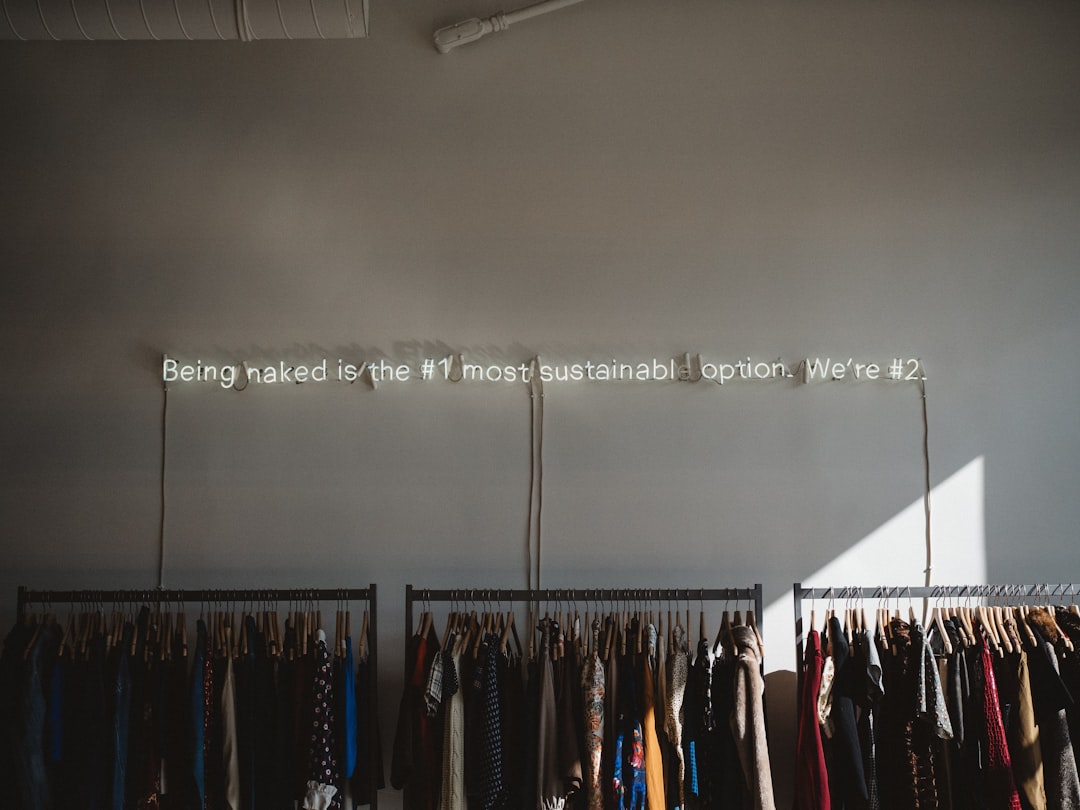
The best fashion deals are wardrobe gap fillers, not random add-ons
If you want fashion deals for women to actually work for you, stop shopping for “cute.” Start shopping for gaps.
A wardrobe gap is the thing you keep needing and keep not having. It’s the black knit that goes under a blazer without bunching. It’s the straight-leg jean that doesn’t fight your shoes. It’s the low-drama bag that makes everything else look more finished.
These are the deals worth paying attention to:
1) Essentials that get repeated
Think black or navy knitwear, straight-leg denim, simple loafers, a clean tee, a trench, a neutral belt. Not glamorous. Very useful.
If you already have three tops in the same family, you do not need a fourth unless it solves a problem the others can’t.
2) Trend pieces in low-risk form
Buy the trend as an accessory or a smaller item before you buy it as a big-ticket piece.
Good examples:
- a seasonal color bag
- a belt in a fresh finish
- shoes that nod to the trend without screaming it
Risky examples:
- a trend coat
- a loud statement dress
- an expensive outer layer you’ll only wear if the whole outfit cooperates
If you want a deeper closet-building path, a guide like The Ultimate 10-Piece Spring Capsule Wardrobe fits this logic well: fewer pieces, more combinations, less nonsense.
3) Workhorses for repeat wear
These are the items that make weekday dressing easier:
- a polished knit
- tailored trousers
- a structured tote
- simple shoes that don’t punish your feet
If you’re building around office outfits, the logic is very similar to Spring Office Wear Edit: 5 Looks to Copy: buy pieces that can do more than one job.
What to buy first by real-life scenario
The easiest way to stop overbuying is to shop by use case, not by discount mood.
Work
Buy the boring thing that keeps saving you.
- a black or cream knit
- tailored pants
- a blazer-friendly top
- loafers or low heels
These are the pieces that quietly improve everything else. A neutral base also makes styling easier, which is why articles like How to Style Neutral Colors Without Looking Boring matter more than they sound.
Weekend
This is where comfort and repeatability win.
- straight-leg jeans
- relaxed button-downs
- easy sneakers
- a crossbody bag
Weekend clothes should not require a pep talk.
Travel
You want layers, not drama.
- a light jacket
- wrinkle-friendly pants
- a tee that holds its shape
- shoes you can walk in
Travel is where fashion deals often look best online and worst in a hotel mirror. If it wrinkles, pinches, or needs special care, it is not a travel bargain.
Date night
Pick one thing that does the heavy lifting.
- a flattering top
- a sleek shoe
- a small bag
- a skirt or dress that works with your existing outerwear
Date-night pieces are where people overspend on “special” items that only work once. Better to buy one strong piece and style it with things you already trust.

The clearance mistake almost everyone makes
Clearance feels rational because the price is lower. That’s the trick.
People see fashion deals clearance and start shopping like they’re rescuing money instead of spending it. But clearance is where category fatigue shows up hard. You’ve already looked at 40 tops, 18 dresses, and 12 nearly identical blazers. At that point, your brain is tired, and tired brains confuse similarity with value.
That’s when the bad purchase happens:
- the top that is “fine”
- the shoe that almost works
- the dress you can picture only in a better version of your life
I’ve done the late-night cart thing. Everybody has. The cart looks so clever at 11:47 p.m. It looks less clever when you’re standing in your bedroom trying to make one shirt work with three different bottoms and none of them are speaking the same language.
So here’s the blunt version: the sale is not the win. The wear count is the win.
A simple decision filter before you hit buy
Use this when you’re tempted by fashion deals under budget and want a fast answer without spiraling.
- Can I wear this with 3 things I already own?
- Does it solve a real gap, or am I just attracted to the price?
- Will I wear it in at least 2 different settings?
- Does it need extra spending to make it work?
- Would I still want it if it were only 20% off?
If the answer to number 5 is no, that’s usually your real answer.
Here’s a quick way to think about it:
| Item type | Worth buying on sale? | Why |
|---|---|---|
| Black knit top | Yes | Easy to repeat, easy to layer |
| Straight-leg jeans | Yes | High use rate, low styling friction |
| Neutral loafers | Yes | Works across work and weekend |
| Trend coat | Usually no | High cost, high risk, harder to repeat |
| Statement dress | Sometimes | Only if you already have events for it |
| Seasonal bag | Yes | Low-risk way to try a trend |
| Random “cute” blouse | Usually no | Often overlaps with what you already own |
If you want a shortcut, think in this order:
essentials first, repeatable trend pieces second, high-drama items last.
The part that actually makes fashion deals feel freeing
Real freedom is not buying more. It’s knowing what not to buy.
That’s the shift. Once you stop treating fashion deals like a bargain hunt and start treating them like a wardrobe decision, the whole game changes. You become the person who can look at a sale rack and spot the trap in five seconds. Not because you’re anti-shopping. Because you’ve learned