Minimal Wardrobes Are Not a Style Choice. They’re a Form of Control.
The real problem is not that you own too few clothes
It’s that your closet doesn’t make getting dressed easier. You can have 40 pieces hanging there and still feel stuck at 8:50 a.m., pulling a top on, taking it off, then reaching for the same safe sweater because your brain is already done for the day.
That’s why a minimal wardrobe is less about taste and more about reducing friction. Not “I like fewer clothes,” but “I want my clothes to stop turning small decisions into annoying ones.”
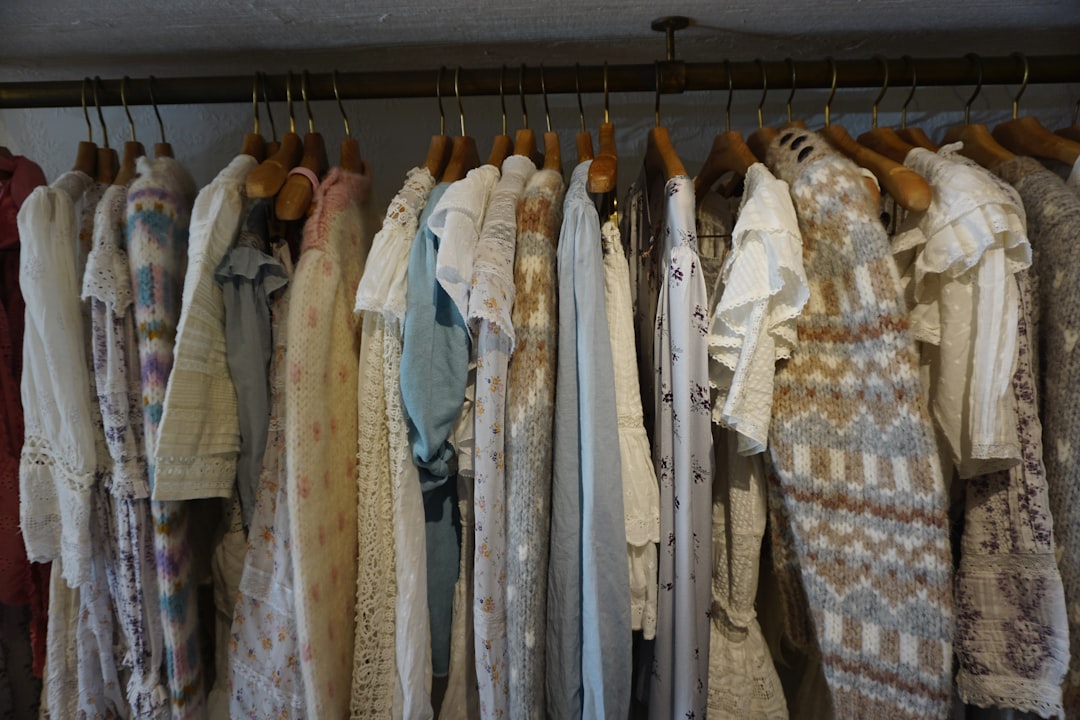
A lot of people think the point of a capsule wardrobe is restraint. I think the real point is repetition with confidence. When your clothes are built around a few reliable shapes, your everyday style becomes easier to run on autopilot, which is exactly what a rushed morning needs.
Why minimal dressing feels calm when everything else feels noisy
There’s a reason the same people who say they “have nothing to wear” often have closets full of almost-right things. Too many options create visual noise. Your brain sees choice, but not structure.
A good modern minimal fashion system does the opposite. It gives you a small set of pieces that keep working together, so you’re not rebuilding an outfit from scratch every morning. That’s less about aesthetics and more about cognitive load.
Minimal is not less. Minimal is repeatable.
That’s the part people miss. A closet can be small and still be chaotic. A closet can be bigger and still feel calm if every piece can be used in at least three ways.
The myth: minimal wardrobe means boring
I hear this all the time. “If I wear basics, I’ll look plain.” Fair concern. But the problem is usually not the basic piece itself. It’s the cut, the fabric, the proportion, and whether the item actually fits your life.
A black tee with a sloppy neckline is boring. A well-cut crewneck that sits right under a blazer, a cardigan, or a lightweight overshirt is a system piece. Same with trousers. Same with shoes. Same with bags.
A lot of people try to buy “statement” clothes to create personality, then wonder why they still don’t feel like themselves. The irony is that everyday style usually gets more distinctive when the foundation is quieter. That’s when your shape, your rhythm, and your habits start to show.

The three scenes your wardrobe has to survive
If your clothes can’t handle workdays, weekends, and travel-ish city life, they’re not really basics. They’re props.
1) Workday commuting
For the office, the skeleton is simple:
- a neutral knit or crisp shirt
- straight-leg trousers or a clean midi skirt
- a light outer layer
- low-noise shoes
- one bag that doesn’t fight the outfit
This is where brands like Municipal make sense as part of the system. Not because the brand should be the main character, but because its modern, clean, easy-to-match feel fits the bone structure of a wardrobe. Pieces like that help when you need something that can move between desk, subway, and dinner without looking overworked.
2) Weekend coffee, errands, short city plans
Weekend dressing gets messy when people try too hard to make it “casual but interesting.” Usually, a cleaner formula works better:
- a soft tee or fitted knit
- relaxed straight pants, jeans, or a simple skirt
- one layer on top, like a cardigan or overshirt
- sneakers, loafers, or flat sandals
- a tote or crossbody in a quiet color
This is the lane where a capsule wardrobe starts paying rent. You stop asking, “What’s the vibe today?” and start asking, “What combination already works?” That shift alone saves a surprising amount of energy.
3) Travel or city-switch days
Travel outfits need more than style. They need tolerance. Sitting, walking, waiting, carrying things, changing temperature, all of it.
A dependable template looks like this:
- one breathable top
- one structured bottom
- one layer that packs easily
- shoes you can walk in for hours
- a bag with actual function
If you’ve ever packed five “cute” outfits and worn the same two pieces anyway, you already know the lesson. The best travel clothes are not the most exciting ones. They’re the ones that survive the day without making you think about them.

What to buy first if you want the system to work
People often start with the wrong question. They ask, “What’s trendy right now?” when they should be asking, “What piece will connect the most outfits I already own?”
Here’s a cleaner way to build a minimal wardrobe:
- Start with the item you wear most often.
- Choose the silhouette that flatters your body and matches your routine.
- Make sure it can pair with at least 3 other pieces you already own.
- Repeat until your closet has a backbone.
That “3-piece test” is simple, but it saves money. If a new item can’t work with at least three things in your closet, it’s probably not a wardrobe builder. It’s just a purchase.
A practical priority list
If you’re starting from scratch or resetting a messy closet, I’d rank basics like this:
- a good neutral tee or tank
- a clean shirt or thin knit
- straight-leg trousers
- a versatile denim cut
- one layer: blazer, overshirt, or cardigan
- shoes you can wear often
- a bag that doesn’t scream for attention
That’s the real core of a capsule wardrobe. Not 12 “perfect” items. Just enough structure that getting dressed stops feeling like a daily negotiation.
Base pieces vs. wardrobe traps
Some pieces look minimal but behave badly in real life. Others look plain on the hanger and quietly do all the work.
| Good base piece | Common trap |
|---|---|
| Clean neckline, steady shape | Weirdly narrow or bulky fit |
| Neutral color that matches several items | “Statement neutral” that clashes with everything |
| Fabric that holds up to repeat wear | Thin material that looks tired fast |
| Easy to layer | Too detailed to combine cleanly |
| Works for at least 3 scenes | Only looks good in one outfit |
This is why modern minimal fashion is not about buying the most stripped-down thing available. It’s about buying pieces that can survive repetition without becoming dull. There’s a difference.
The deeper reason this style feels so good
There’s a psychological relief in wearing the same visual language again and again. Not because you’re lazy. Because you’re reducing the number of decisions your day has to absorb.
That’s also why people who build a stable wardrobe often look more put together without trying harder. The clothes stop competing for attention. The person comes through. The routine comes through. The whole thing feels less accidental.
And honestly, that’s a social signal too. A calm wardrobe says you know what works for you. It reads as efficient, but also self-possessed. That’s why this kind of content gets forwarded to the friend who always says, “I have nothing to wear.” She usually doesn’t need more clothes. She needs a system.

Where minimal dressing stops being useful
I don’t think minimal wardrobes are the answer for everyone, and pretending otherwise is lazy advice.
If you live for bold silhouettes, bright color, or highly styled looks, a strict capsule can feel like a cage. If your job or social life demands strong visual expression, you may need more range, not less. And if you genuinely enjoy fashion as play, don’t let “efficiency” flatten that.
The better way to think about it is this: minimal wardrobe is a foundation, not a religion. It works best for people whose lives ask for frequent dressing, quick transitions, and fewer morning decisions. It’s a tool for high-frequency everyday life, not a rule for every closet on earth.
A better question to ask before you buy
Before you add anything new, ask yourself:
- Does this work with at least 3 things I already own?
- Can I wear it for work, weekend, or travel without feeling out of place?
- Is the shape simple enough that the fit can do the talking?
- Will I still want this after the first novelty wears off?
If the answer is no to most of those, leave it. The closet is already full of “almost” pieces. What most women need is not more variety. It’s more reliability.
A wardrobe that gives you control is quieter, yes. But more importantly, it gives you back your morning. And that’s a much better deal than looking busy while getting dressed.