Why does a wardrobe full of clothes still feel like you have nothing to wear?
The weird part about a full closet: the more you own, the harder it gets to get dressed
I’ve watched this happen in real life, not just in theory. A closet can be stuffed with jeans, tees, button-downs, jackets, and the “good” pieces you bought with a plan, and you still end up standing there at 7:42 a.m. in the same black pants you wore twice last week because they’re the only thing that feels safe.
That’s usually not a style problem. It’s a morning decision problem.
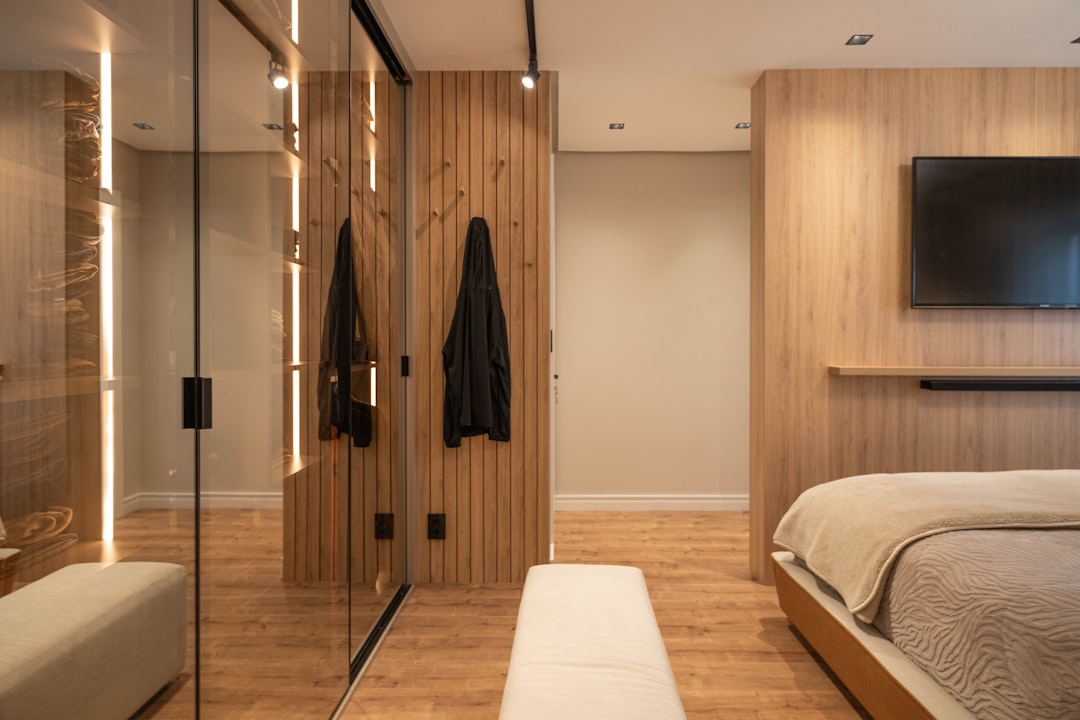
Most people don’t need more clothes. They need fewer bad choices. A lot of wardrobes are built like storage rooms: too many near-duplicates, too many one-time outfits, not enough pieces that actually work on a Tuesday, at a client lunch, or on a Saturday when you want to look put together without trying too hard.
That’s where the capsule wardrobe idea earns its keep. Not as a trendy minimalist slogan, but as a way to stop treating getting dressed like a daily referendum on your personality.
Why a full closet can still feel empty
Behavioral psychology has a boring-sounding but very real explanation: decision fatigue. The more small choices you make early in the day, the worse your judgment gets later. Clothing is one of those tiny choices that looks harmless until you do it 300 times a year.
The closet problem usually falls into one of three buckets:
-
Too many similar items
You have six black tops, but three of them feel too dressy, two feel too thin, and one only works with one pair of pants. That’s not abundance. That’s clutter with a color palette. -
Too many occasion-specific pieces
The blazer that only works for interviews. The shoes that only make sense for dinner. The shirt that looks great in photos but feels weird on the train. These pieces create the illusion of options while quietly shrinking your actual everyday style. -
No outfit anchors
Anchors are the pieces you can build around without thinking too hard. Good trousers. A clean overshirt. A jacket that works with most of your bottoms. Without anchors, every outfit starts from zero.
If you want a useful read on this, The Ultimate 10-Piece Spring Capsule Wardrobe is a good companion piece, but the bigger point is simpler: your closet should reduce morning friction, not create it.
The real goal is not minimalism. It’s repeatable everyday style.
A lot of people hear capsule wardrobe and think “I need to own almost nothing.” That’s not the point. The point is to build a minimalist wardrobe that still covers real life.
Real life usually means three recurring scenes:
- commute
- weekend
- city plans that start casual and may end somewhere nicer
If your clothes can handle those without a costume change, you’re in good shape.
This is why I like thinking in terms of basic outfit ideas instead of “fashion inspiration.” Inspiration is nice, but it doesn’t help at 8:10 a.m. when you need something that works with the weather, the calendar, and your energy level.
A better question is: what are the 3 to 5 outfits I can wear on repeat and still feel like myself?
That question changes the whole game.
A quick closet diagnosis you can do in 10 minutes
Before you buy anything else, open your closet and sort your clothes into these three piles:
1. Too similar
These are the items that compete with each other. Same cut, same color, same vibe. If you own four nearly identical sweaters, you don’t really have four options. You have one idea repeated four times.
2. Too special
These are the pieces that look great in isolation but rarely get worn. If an item requires a “perfect” bottom, a “specific” shoe, or a “certain” mood, it’s not helping your everyday style much.
3. Outfit anchors
These are the pieces that make getting dressed easier. They go with multiple items, fit your actual routine, and don’t demand too much from the rest of the outfit.
A useful rule: if a piece can’t be worn at least three different ways in your real week, it probably doesn’t deserve prime closet space.
What a smarter wardrobe actually looks like
A good wardrobe is not one with the most pieces. It’s one with the highest percentage of usable pieces.
If you’re building from scratch, think in terms of a few stable categories:
- one or two pants you trust
- a couple of tops that layer well
- one jacket that works in most weather swings
- shoes that don’t fight the rest of the outfit
- a bag or accessory that quietly pulls things together
That’s the structure behind a capsule wardrobe, but it doesn’t have to look severe. The best version feels calm, not stripped down.
If you struggle with neutral pieces feeling flat, How to Style Neutral Colors Without Looking Boring is worth a look, because the trick is usually texture, proportion, and contrast, not louder colors.

Where Municipal fits into this
This is the part where Municipal makes sense, but only in a specific way.
Municipal is useful for people who want modern, simple, easy-to-match pieces that can live in a high-frequency wardrobe. That matters most when your week moves between commute, weekend errands, and city life, and you don’t want every outfit to feel like a fresh design problem.
I would not frame it as “the answer” to style. That’s too broad and too salesy. I’d frame it as a clean option for the part of the wardrobe that has to do the heavy lifting: the pieces you reach for when you want to look intentional without spending 20 minutes negotiating with your closet.
That’s the real use case.
If your problem is “I own enough clothes, but nothing works together fast,” then a brand with a restrained, versatile direction can help you rebuild the middle of the wardrobe. Not the statement pieces. The dependable ones.
That same logic shows up in workwear too, which is why Spring Office Wear Edit: 5 Looks to Copy pairs well with this topic. Office outfits get easier when the core pieces already talk to each other.
How to build better outfits without buying a lot more
Here’s the part people usually skip. You do not need a giant reset. You need a better operating rule.
Step 1: Pick your weekly scenes
Write down the 3 places you actually dress for most often. For most people, it’s some version of commute, work, and weekend.
Step 2: Choose one anchor for each scene
Maybe that’s a trouser that works with sneakers and loafers. Maybe it’s a jacket that doesn’t feel too formal. Maybe it’s a shirt that layers well.
Step 3: Remove the weak links
Anything that only works with one item, pinches your routine, or makes you second-guess yourself goes to the back of the closet.
Step 4: Repeat on purpose
Repeat outfits. Repeat formulas. Repeat colors if they make your life easier. Repetition is not failure. It’s how everyday style becomes reliable.
Step 5: Buy to solve a gap, not a mood
If your wardrobe already has enough tops, don’t buy another top because it looked nice online. Buy the missing bottom, the better jacket, or the shoe that makes five outfits easier.
A few outfit formulas that actually hold up
You don’t need 40 ideas. You need a handful that work.
- Straight-leg pants + clean tee + light jacket
- Relaxed shirt + dark denim + simple sneakers
- Knit top + tailored trouser + low-profile shoe
- Overshirt + tee + tapered pant
- Minimal sweatshirt + structured pant + everyday sneaker
These are not exciting in the Instagram sense. They are useful in the Tuesday morning sense. That’s a different standard, and honestly, a more honest one.
The point of basic outfit ideas is not to look invisible. It’s to look settled. There’s a quiet confidence in clothes that don’t ask for much.
The test I use: does this piece reduce or increase effort?
When I’m unsure about a purchase, I ask one question: will this make getting dressed easier next week?
If the answer is no, I usually pass.
That test is simple, but it catches a lot of closet mistakes:
- pieces that look great but are hard to pair
- items that duplicate what you already own
- trend-driven buys that don’t fit your actual routine
- clothes that require a better life than the one you currently have
That last one is the sneaky one. A lot of wardrobes are full of aspirational outfits for a version of life that never shows up.
A better closet is more honest. It reflects the life you really live.
What to remember when your closet still feels full
If your wardrobe feels crowded but useless, don’t blame yourself for lacking taste. Most of the time, the problem is structure.
You probably need:
- fewer duplicates
- fewer special