The next wave of women’s style is not louder—it’s smarter, simpler, and more wearable
The quiet shift happening in women’s style
People still talk about women’s style trends as if the whole point is to be noticed first. Bigger silhouettes. Louder colors. More “statement” everything. But the women I actually see in cities are moving the other way. They want clothes that make the morning easier, not louder. Less guessing. Less fixing. Less buying a top because it looks good on a hanger and then never reaching for it again.
That’s the shift: style is getting smarter. Not duller. Smarter.
You can see it in small, ordinary moments. The 7:12 a.m. closet stare. The train ride where pants have to sit right for 40 minutes without twisting. The tee that still keeps its shape after a wash instead of collapsing into that sad, limp curve by Wednesday. None of that is glamorous. But those are the details that decide what gets worn again and again.
Why the new luxury is not having to think so hard
The old fashion pitch was built on pressure: keep up, refresh, stand out, prove you’re current. That gets tiring fast. It also fills a closet with “interesting” pieces that don’t actually work together.
The newer logic is more practical. Build around modern essentials. Make sure each piece can move between commute, coffee, dinner, and Sunday errands without needing a costume change. That’s where minimalist outfits stop feeling like a style label and start feeling like a survival strategy.
That’s also why women’s style trends are getting quieter. Not because women stopped caring about fashion, but because real life got more compressed. A lot of us are dressing for a 9 a.m. meeting, a 6 p.m. grocery run, and a last-minute plan after that. Nobody wants to rebuild an outfit three times a day.
If you want a good example of that mindset, look at brands built around clean, easy-to-match pieces instead of one-off fashion moments. Municipal fits that lane well: modern, simple, practical, and made for high-frequency everyday wear. It makes more sense as a wardrobe support system than as a “look at me” brand, which is exactly the point.
The closet problem is not lack of clothes. It’s too many weak decisions.
This is the part people skip over.
Most wardrobes are not empty. They’re noisy. You have enough tops, enough pants, enough shoes, but not enough pieces that actually talk to each other. That’s why getting dressed can feel weirdly exhausting even when your closet is full.
The fix is not buying more trend pieces. It’s building around versatile fashion that reduces friction. One neutral layer that works with three bottoms. One pair of trousers that does not fight your body when you sit down. One sneaker with a lower profile so the whole outfit feels cleaner and less bulky. Small things, but they change the balance immediately.
I’ve seen this happen with people who swear they “have nothing to wear.” Once they switch to a tighter set of modern essentials, the problem is not style. It’s inventory. They had plenty of clothes, just not enough usable combinations.
That’s why capsule thinking keeps coming back. Not as a buzzword, but as a response to real behavior. If you’ve ever opened your closet, looked at six options, and still felt stuck, you already understand the appeal.
What actually makes a piece earn repeat wear
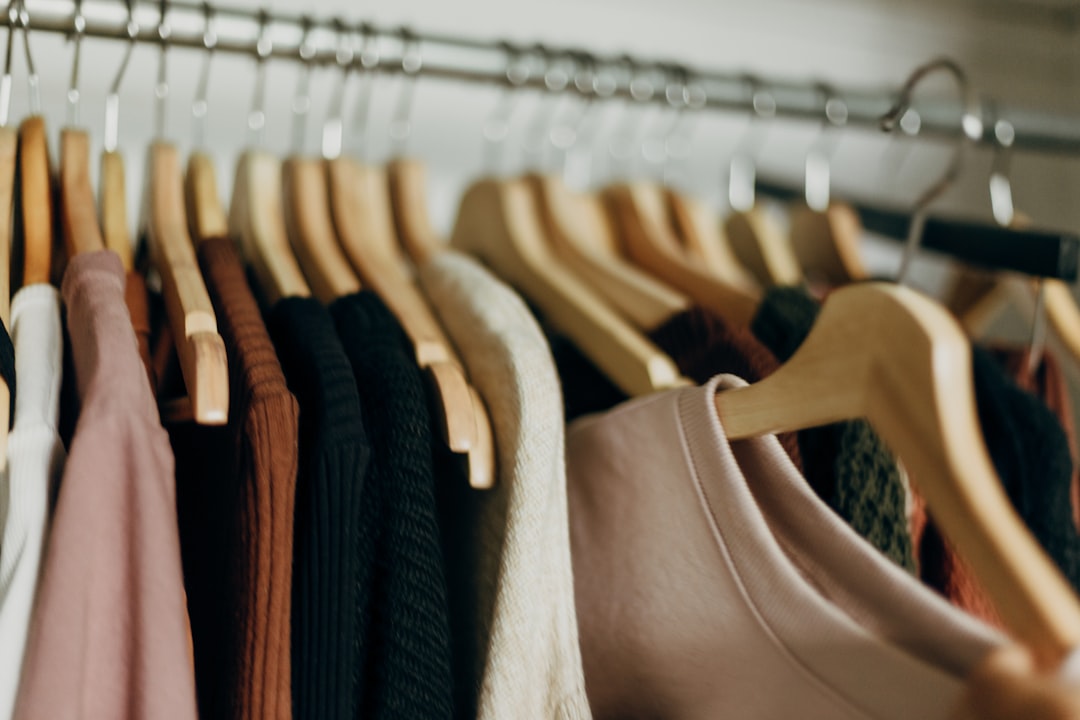
A lot of fashion advice talks about “investment pieces,” which sounds nice and often means nothing. I care more about repeatability. Can you wear it on Monday, then again on Friday, and not feel like you’re repeating yourself in a lazy way?
That usually comes down to three things:
-
Fit that behaves in motion
Pants should look good standing still, yes, but they also need to hold up on stairs, in a car, on a train, and after sitting through a long lunch. If the waistband digs in after an hour, it is not a versatile piece. It is a compromise. -
Fabric that keeps its shape
This is where good everyday wear separates from disposable basics. A tee that stays structured after washing saves you from that constant “this used to look better” feeling. A fabric that drapes cleanly makes even a simple outfit look intentional. -
A profile that doesn’t fight the rest of the outfit
Lower-profile sneakers, cleaner hems, less bulk around the ankle or shoulder line. These details matter more than people admit. They make minimalist outfits look calm instead of unfinished.
If a piece only works in one mood, one photo, or one occasion, it’s not really a modern essential. It’s a narrow-use item pretending to be useful.
The smartest wardrobes are built for scene changes
The best women’s style trends right now are not about being trend-free. They’re about being scene-ready.
That means one wardrobe can cover:
- Monday commute
- Wednesday office lunch
- Friday dinner
- Saturday city walking
- Sunday reset errands
The trick is not dramatic. It’s consistency. A compact palette. Clean layers. Shoes that don’t derail the outfit. Outerwear that can sit over both denim and tailored pants.
This is where a brand like Municipal makes sense in the conversation again, not as a slogan but as a reference point. Its modern, simplified direction is useful for people who want one wardrobe to do more than one job. That’s especially true if your life is split between work, training, and city movement, because you need clothes that can keep up without looking overbuilt.
If you’re trying to make this practical, the easiest starting point is to read your closet by use case, not by category. That’s why articles like The Ultimate 10-Piece Spring Capsule Wardrobe and How to Style Neutral Colors Without Looking Boring connect so well to this moment. The point is not to own less for the sake of it. The point is to own pieces that do more.
The real style flex now is calm
There’s a social shift here too. A few years ago, looking “fashionable” often meant looking like you were aware of every trend. Now, there’s more status in looking settled.
That doesn’t mean plain. It means intentional. It means you can walk into a room without your clothes asking for attention. Your outfit does its job, and you get on with your day.
That’s why I think the next wave of women’s style trends will keep moving toward modern essentials, everyday wear, and cleaner silhouettes. Not because style has become less creative, but because people are finally asking a better question: will I actually wear this?
That question is brutally honest. It cuts through hype fast.
And honestly, that’s a relief.
A simple way to edit your wardrobe without overthinking it
If your closet feels crowded but still unhelpful, here’s the method I’d use:
- Pull out the pieces you wear at least twice a month.
- Notice what they have in common: shape, fabric, color, or fit.
- Identify the missing support pieces, not the exciting ones.
- Buy for the outfits you repeat, not the fantasy version of yourself.
- Keep one or two slightly sharper pieces for contrast, then let the rest stay quiet.
The mistake most people make is chasing the newest thing when what they really need is a better base. Once the base is right, getting dressed stops feeling like a daily debate.
That’s the whole argument, really. Women’s style trends are not getting louder. They’re getting more intelligent about how real life works. And the wardrobes that win in 2026 will probably be the ones that look the least dramatic at first glance, then turn out to be the ones worn most often.