Tall Women Don’t Look Better in Bigger Clothes — They Look Better in Better Proportions
Why “Bigger” Usually Isn’t Better on Tall Women
I keep hearing the same advice dressed up as wisdom: tall women should wear bigger clothes so they look softer, slimmer, more effortless. And honestly, that advice misses the point.
Height is not the problem. Bad proportion is.
A tall frame can handle volume, yes. But “can handle” is not the same thing as “looks best in.” If the shoulder line is too dropped, the hem too long, the waist too low, or the silhouette too boxy, the eye has nowhere to rest. The body starts reading as one long block instead of a shape with intention. That’s why some tall women outfits look sharp and expensive, while others look like they were borrowed from a roomier version of the same closet.
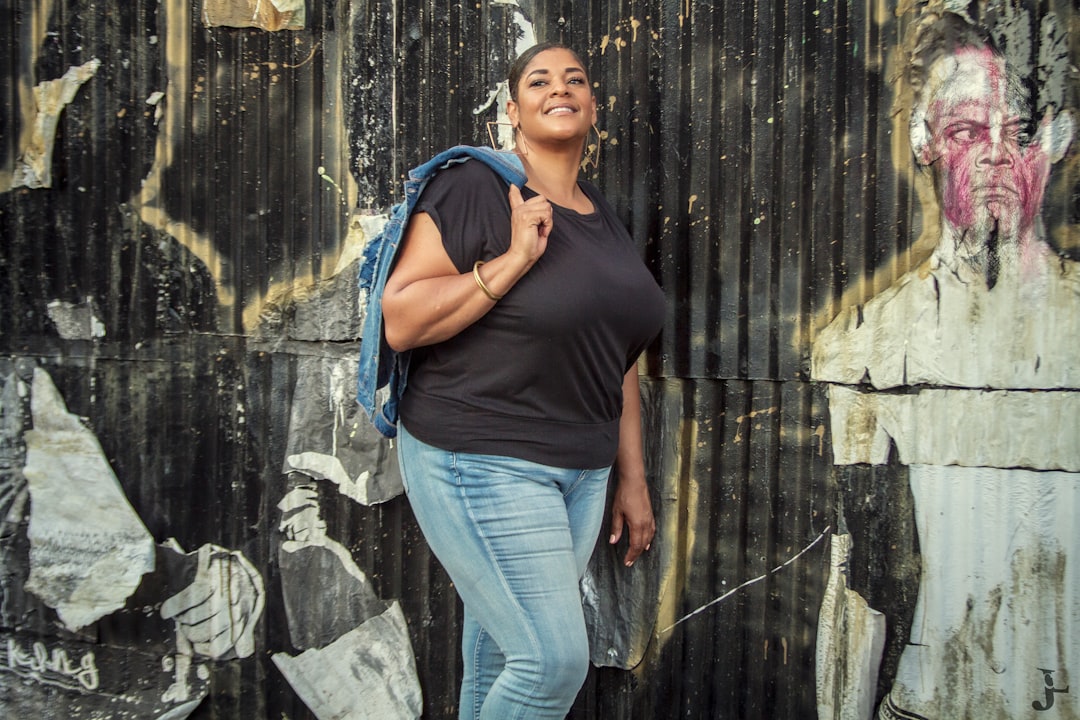
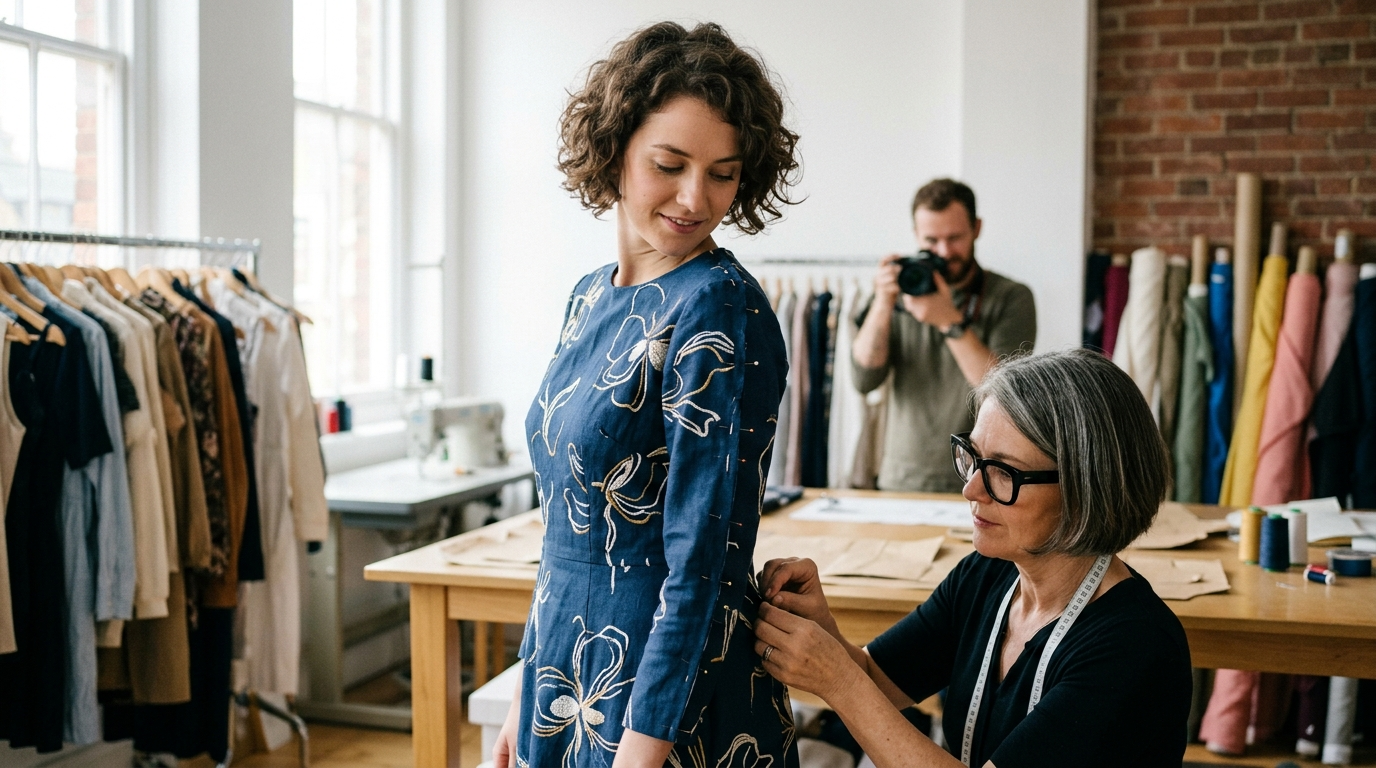
I’ve seen this happen in fitting rooms more times than I can count. A blazer that looks amazing on the hanger hits mid-thigh and suddenly swallows the hips. A sweater that felt “relaxed” in theory lands like a tent in practice. The size is technically right. The visual story is not.
That’s the real shift tall women fashion needs: not more fabric, but better structure.
What the Eye Actually Sees
This is where proportion gets more interesting than size. The human eye doesn’t measure inches the way a tape measure does. It reads interruption, balance, and contrast.
A waistline is not just a waistline. It’s a visual pause.
A cropped jacket isn’t just shorter. It creates a reset point.
A wide-leg pant isn’t automatically flattering. It works when the rise, drape, and hem length all agree with each other.
That’s why tall women clothing can look expensive in one cut and strangely flat in another. The same person. The same height. Totally different read.
Think of it like visual punctuation. If everything is long, loose, and uninterrupted, the outfit becomes one continuous sentence. Nice for comfort. Not always nice for shape. Tall women outfit ideas work best when they give the eye a few clean stops: shoulder, waist, hem, shoe. That rhythm is what makes the body look intentional instead of just extended.
The Proportion Moves That Actually Change Everything
The easiest way to stop oversized trends from eating you alive is to ask one question before you buy anything: where does this piece end?
That one question saves so much regret.
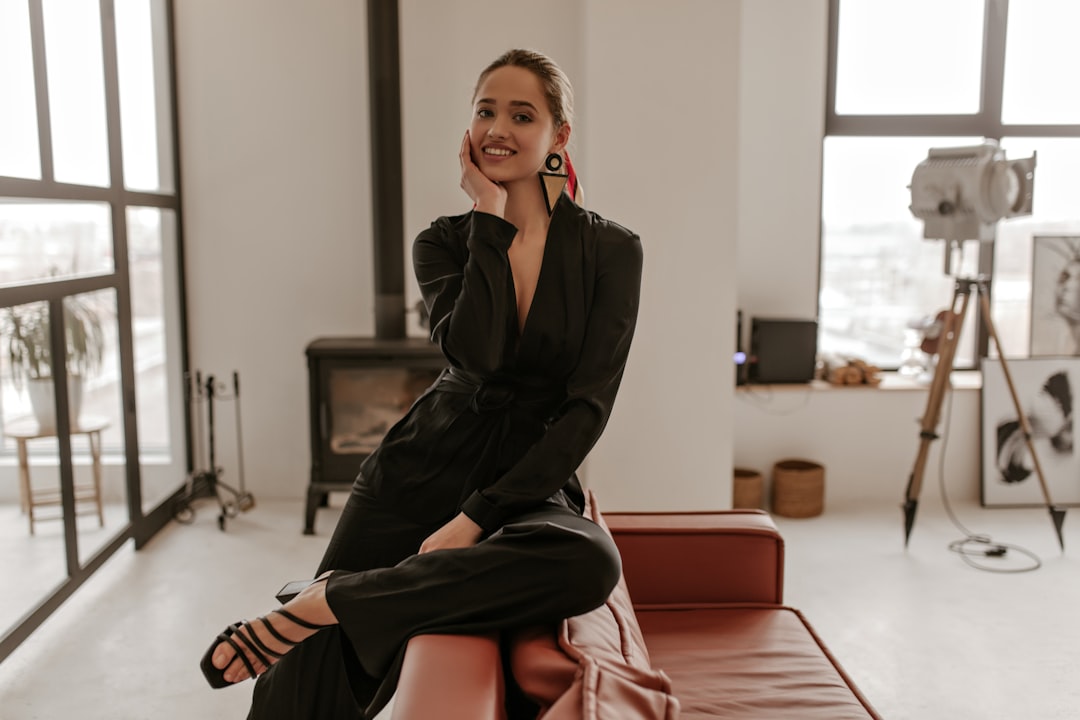
A blazer that hits right at the top of the hip usually gives tall women a cleaner waist-to-leg ratio than one that drags halfway down the thigh. A midi skirt that ends at the widest part of the calf can make legs look heavier than they are, while a hem that lands just below the knee or closer to the ankle often feels more balanced. And pants? Tall women know the pain of “full length” that still flashes sock when you sit down. If the inseam is wrong by even an inch or two, the whole outfit loses polish.
The trick is not to shrink yourself. It’s to place the volume where it helps.
A few rules I trust in real life:
- If the top is loose, let the bottom be cleaner.
- If the pants are wide, make the waist visible.
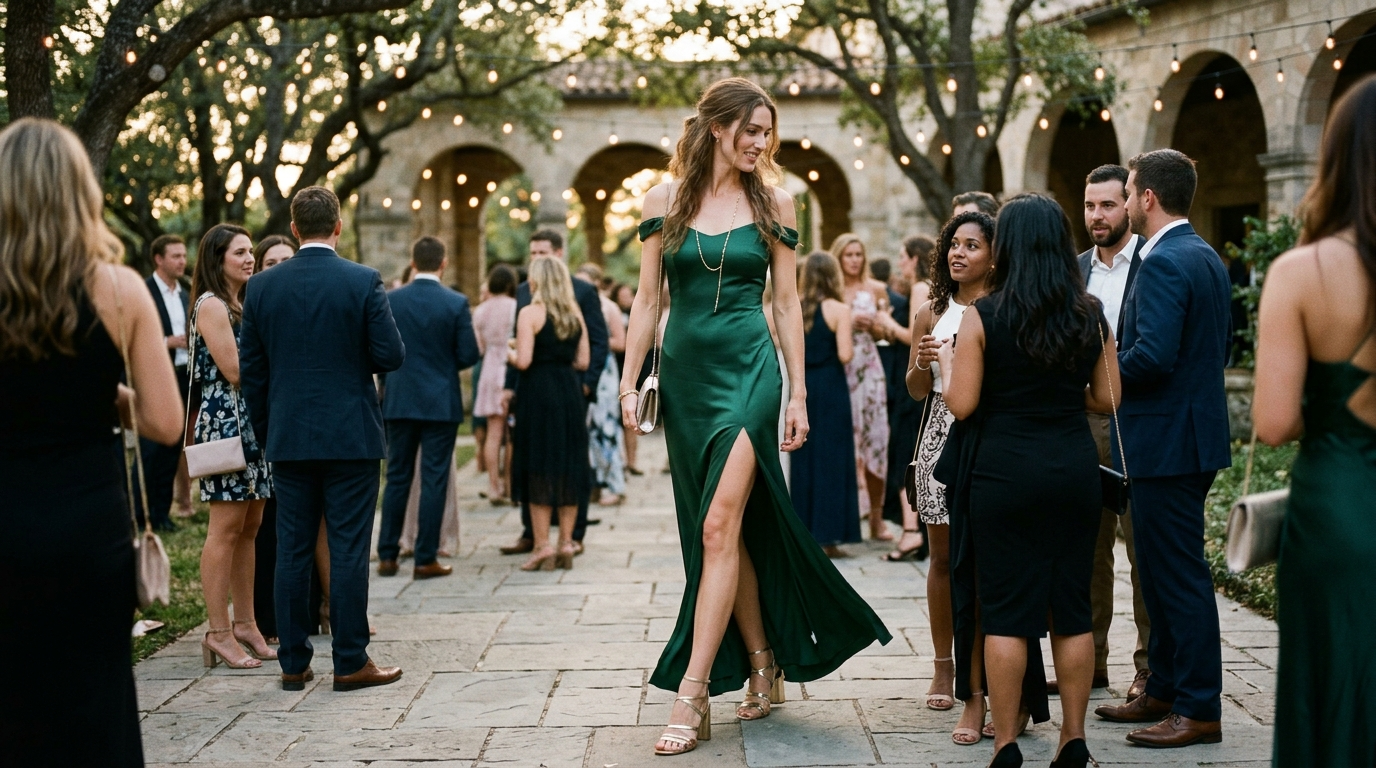
- If the dress is long, create a break with a belt, a seam, or a neckline that opens the upper body.
- If the shoulders are strong, keep the rest of the silhouette from going equally heavy.
That’s why some tall women outfits look more elegant in a fitted tee and straight trouser than in a giant sweater and puddling pant. The second one may feel fashion-forward for five minutes. The first one usually photographs better, moves better, and gets worn more.
Oversized Only Works When It’s Controlled
Oversized pieces are not the enemy. Uncontrolled oversized pieces are.
There’s a difference between a deliberate loose silhouette and a garment that simply has too much room. One has shape. The other has drift.
Tall women fashion gets mislabeled here all the time. People assume height automatically makes volume look chic. Sometimes it does. But if the outfit has no anchor, the result is not “model off duty.” It’s just heavy. The shoulder line drops, the torso disappears, and the outfit starts wearing the woman instead of the other way around.
This is why fabric matters as much as cut. A blouse with some weight and fall can look polished even when it’s roomy. A stiff, boxy cotton can make the same size feel clumsy. The same logic shows up in How to Style Neutral Colors Without Looking Boring: the color may be quiet, but the structure still has to do the work. On tall frames, that becomes even more obvious because there’s more visual real estate for every decision to show up on.
If you love oversized, keep one thing sharp. A defined waist. A fitted sleeve. A narrow ankle. A clean neckline. Something has to hold the line.
Tall Girl Outfits Look Best When They Finish the Sentence
I think this is the part people miss most. Tall girl outfits don’t need to “hide” anything. They need to finish the sentence.
A lot of style advice for tall women is secretly about apology. Wear bigger clothes so you’re not too much. Wear looser shapes so you look softer. Wear long layers so your height feels less loud. But tall women are not a problem to be softened. They’re a proportion to be composed.
That’s why the best tall women outfit ideas usually feel a little more edited than trendy. A strong trouser with the right inseam. A skirt with a hem that actually lands where the leg wants to break. A dress with waist placement that respects the torso instead of floating somewhere near the ribs. These are small decisions, but they change the whole read.
If you’re building a wardrobe from scratch, a compact closet can be a smarter place to start than a pile of random statement pieces. A guide like The Ultimate 10-Piece Spring Capsule Wardrobe matters here because tall women benefit more than most from repeatable proportions. When your staples already know your shoulder width, leg length, and waist placement, getting dressed stops feeling like trial and error.
That’s the quiet luxury of good fit: you don’t look taller. You look more complete.
The Real Goal Is Not Smaller. It’s Sharper.
If I had to reduce all of this to one honest sentence, it would be this: tall women look best when their clothes create shape, not just coverage.
Not bigger. Better placed.
Not looser. More deliberate.
Not “anything oversized will work.” Only the oversized that still respects the body underneath it.
That’s why tall women clothing should be judged by line, break, and balance before it’s judged by trend. If the hem lands well, the waist is in the right place, and the silhouette has one clear point of focus, the outfit feels expensive even when it isn’t. If those things are off, even a beautiful piece can look tired.
And if you want proof that this isn’t just theory, look at the outfits tall women actually rewear: the blazer that stops at the hip bone, the trousers that skim instead of pool, the dress that gives the eye a waist before it gives it length. That’s the formula. Every time.
For workwear, the same logic gets even stricter. Tall women in office settings usually look strongest in pieces that control proportion without feeling stiff, which is why a focused edit like Spring Office Wear Edit: 5 Looks to Copy makes more sense when you read it through fit, not just style. Office clothes either sharpen the frame or flatten it. There’s not much middle ground.
So no, tall women don’t look better in bigger clothes.
They look better in clothes that understand where the body begins, where it breaks, and where it should be allowed to breathe.