The Biggest Clothing Haul Mistake: Buying Clothes That Look Good Online but Fail the Second They Meet Real Life
The haul trap nobody talks about
A good clothing haul can feel like proof that you have taste. The cart is full, the mirror is kind, and the try-on clips give you that tiny private rush that says, yes, this worked. Social media is built to love that moment.
Real life is where the bill shows up.
The biggest mistake in a clothing haul is not buying too much. It’s buying pieces that only work under flattering lighting, on a standing body, for a 12-second video. The second they meet a subway seat, a lunch break, a humid sidewalk, or a washing machine, they stop behaving like clothes and start acting like evidence.
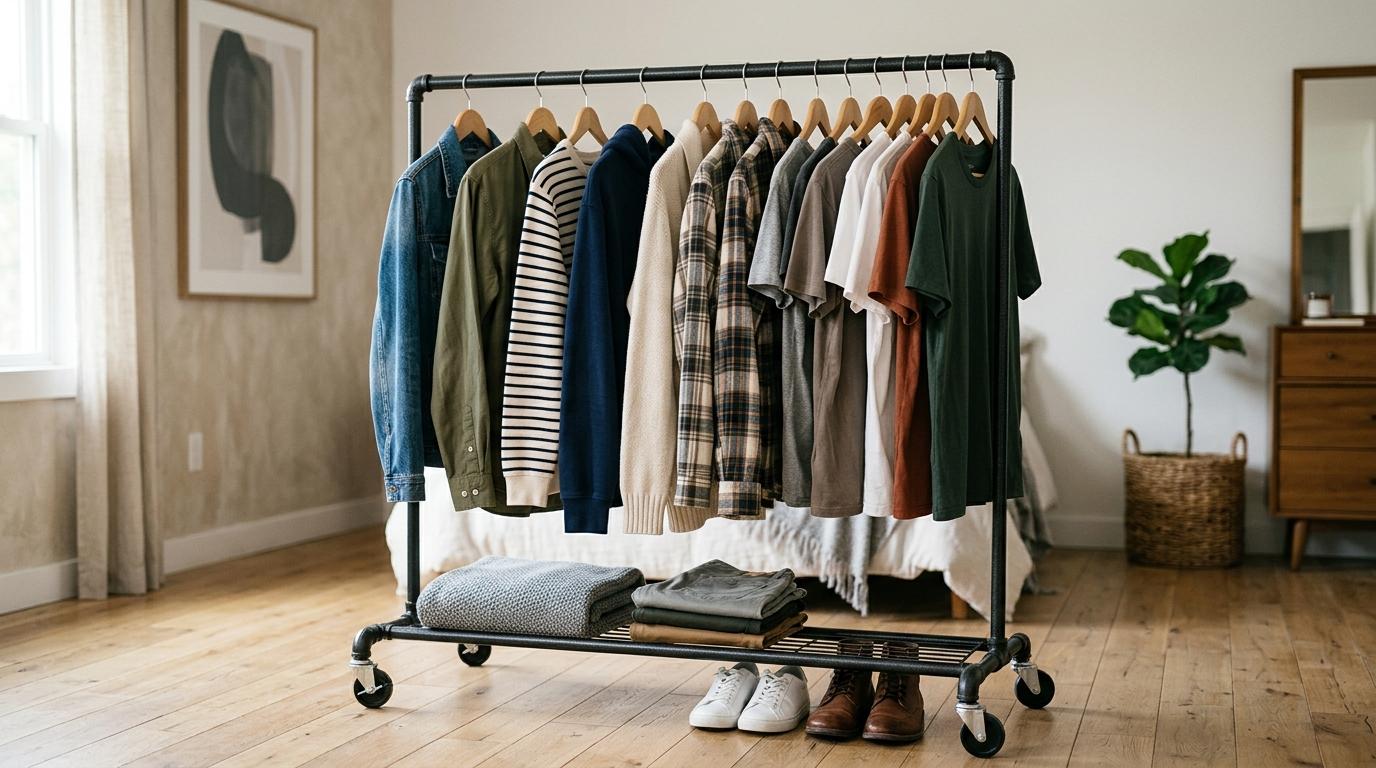
I’ve watched this happen again and again: the shirt that looked crisp online arrives thin and clingy; the jeans fit in the mirror but pinch after one sandwich; the dress is cute until you try to lift your arms, sit down, or carry a tote bag. That’s not a style problem. That’s a use-case problem.
If you want everyday outfits that actually earn their place, you have to stop asking, “Does this look good online?” and start asking, “Will I still reach for this in three weeks?”
Why try-on haul logic breaks down
A try on haul is built for presentation value. Real wardrobes run on utility value.
That gap sounds small until you live inside it. Presentation value is the rush of seeing an outfit from the front, under perfect light, with your shoulders back. Utility value is whether the waistband digs in after lunch, whether the fabric traps heat on the commute, whether the hem twists after one wash, whether the sleeves stay put when you’re opening a door, holding coffee, or typing all day.
That’s why so many clothing haul purchases feel oddly disappointing without being obviously bad. They’re not broken. They’re just not built for repetition.
Short-form video makes this worse. Algorithms reward instant visual payoff, not repeat wear. A piece that pops on camera can still fail every practical test that matters in daily life. The platform is selling the first impression. Your closet has to survive the third, fourth, and tenth wear.
There’s a reason the smartest dressers I know care less about novelty and more about boring questions: Does it wrinkle fast? Can I sit in it? Does it play well with my existing wardrobe essentials? That’s where style gets real.
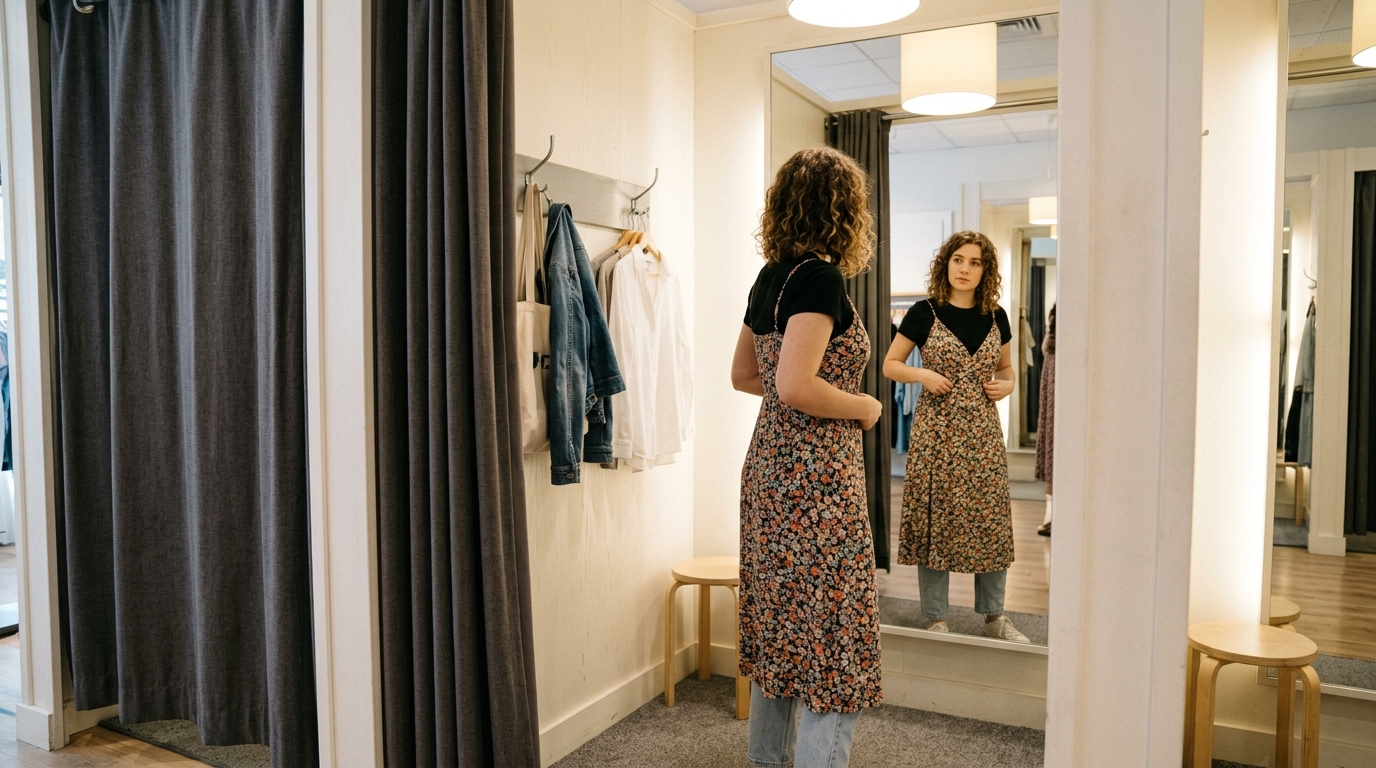
The 5 checks I use before I keep anything
This is the part that saved me from buying myself into a crowded, annoying closet.
1. The sit test
Stand in front of the mirror, then sit down for a full minute. If the top rides up, the waistband cuts in, or the fabric pulls across the hips, that piece is already telling you it’s not an everyday outfit.
2. The reach test
Raise both arms, bend forward, and twist a little. If the neckline shifts too much or the hem becomes awkward, you’ll feel it every time you move in public.
3. The wash test
Ask one honest question: after one wash, will this still look like itself? A lot of clothing haul favorites lose shape fast. Sleeves twist, seams pucker, dark dye fades, and suddenly the item that looked polished online looks tired by week two.
4. The pairing test
Can it work with at least three things you already own? If it only makes sense with one specific bag, one specific shoe, and one specific bra, it’s not really a wardrobe essential. It’s a styling project.
5. The Tuesday test
This is the one people skip. Would you wear it on a random Tuesday when you’re tired, running late, and not in the mood to perform? If the answer is no, it probably belongs in the try on haul fantasy zone, not your actual closet.
What to buy instead of another “perfect” piece
A capsule wardrobe works because it removes the drama. Not the fun. The drama.
That doesn’t mean you need to dress like a spreadsheet. It means you choose items that can do more than one job. A neutral blazer that sharpens jeans. Straight-leg trousers that survive office chairs and dinner plans. A knit top that doesn’t turn into a sweat trap by 2 p.m. If you want a cleaner roadmap, The Ultimate 10-Piece Spring Capsule Wardrobe is a good place to start because it forces the question most haul videos avoid: what actually gets worn?
And if your closet is already full of loud pieces that never quite match anything, don’t blame your taste. Usually the missing piece is balance. A strong neutral base can make one interesting item feel intentional instead of random. That’s why a guide like How to Style Neutral Colors Without Looking Boring matters more than yet another trend roundup.
The trick is not to buy less for the sake of purity. The trick is to buy with friction in mind.
Friction is everything the haul video edits out:
- the waistband after lunch
- the sleeve that twists
- the fabric that pills near the thighs
- the top that needs constant adjusting
- the dress that looks great standing still and awkward the moment you sit
Those are not tiny annoyances. They are the reasons clothes disappear into the back of the closet.

A better way to shop a clothing haul
If you still love a clothing haul, keep the thrill. Just change the rules.
-
Make the first filter practical, not emotional.
Before you fall for the color or cut, ask whether the piece fits your commute, climate, and routine. -
Build around repeat wear.
Buy for the third wear, not the first photo. If you can’t imagine wearing it twice in one week, pause. -
Treat every purchase like a compatibility test.
New clothes should work with your existing wardrobe essentials, not demand a whole new identity. -
Keep a “return to desk” mindset.
If you work, study, or move around a lot, your clothes need to survive sitting, walking, and resetting all day. -
Buy fewer pieces that pass more tests.
That’s how everyday outfits start looking effortless instead of expensive and fragile.
This is where the emotional shift happens. You stop using shopping to prove you have taste, and start using it to build control. That sounds less glamorous, but it feels better at 8:10 a.m. when you’re getting dressed with half a brain.
The real win
A good closet is not the one with the biggest clothing haul. It’s the one that makes getting dressed boring in the best possible way.
No panic. No outfit math. No “Why does this look cute in the mirror but wrong in motion?” No pile of pieces that only work for photos.
The real flex is opening your wardrobe and knowing most of it will hold up in actual life. That’s the difference between shopping for attention and shopping for use.
And once you feel that difference, it gets hard to go back.