Why ‘Flattering’ Plus Size Outfits Are Often the Least Flattering Thing You Can Wear
The problem isn’t your body. It’s the outfit logic.
A lot of plus size outfits get sold with the same promise: look slimmer, look “balanced,” look safe. That sounds useful until you actually put them on and realize the whole thing feels a little fake. Not ugly. Just off. The waist is trying too hard. The drape is doing too much. The neckline makes you feel like you’re dressing for a committee.
That’s the part people don’t say out loud. “Flattering” is often code for “least likely to make someone uncomfortable looking at your body.” That is not the same thing as looking good.
I’ve seen this happen in fitting rooms over and over. A dress gets praised because it “hides the tummy.” A blazer gets recommended because it “creates a shape.” A top is called flattering because it narrows the eye at the waist. But the person wearing it feels boxed in, over-managed, and somehow more self-conscious than before. If you’ve ever bought flattering plus size outfits and still felt like you were playing dress-up in somebody else’s taste, you are not imagining it.
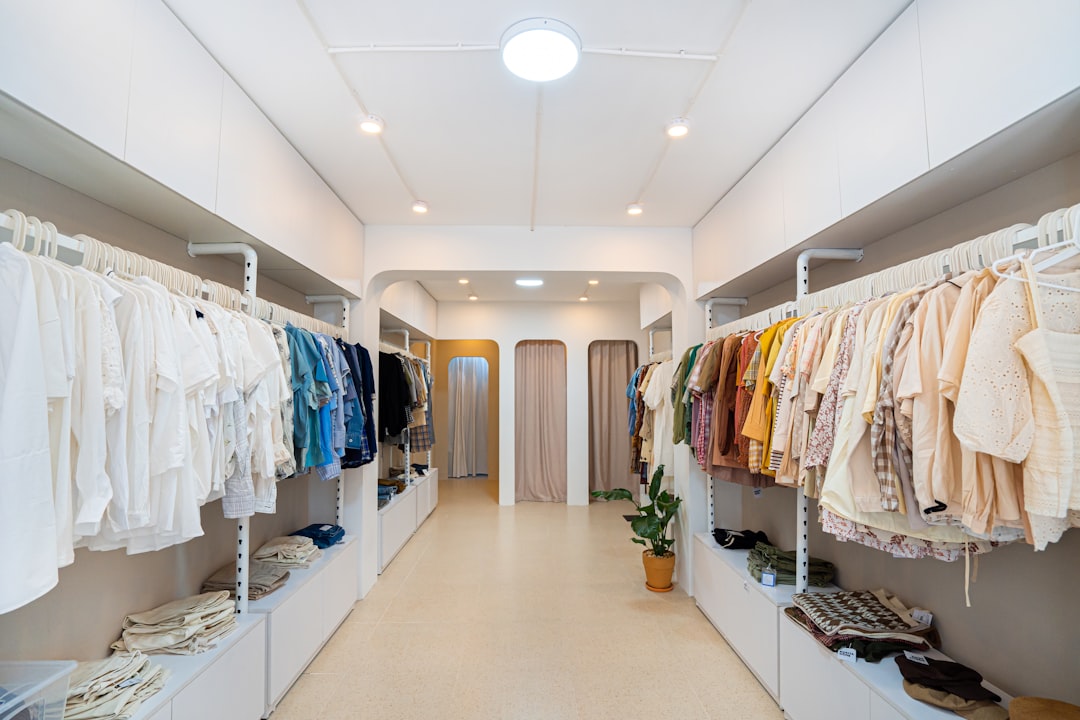
The real issue is that flattering plus size outfits for women are usually built around the viewer’s comfort, not the wearer’s life.
That’s a very different design brief.
Why “flattering” can backfire
The word flattering sounds kind. It sounds like the store is on your side. In practice, it often means the clothing is doing a bunch of visual labor to reduce the body’s presence. That can create three problems fast.
One, the proportions get weird. A top that clings in the wrong place can make the torso look shorter. A dress with a forced empire waist can cut the body in two. Pants that are “slimming” in theory may flatten the hips so much that the whole outfit loses movement and shape.
Two, confidence drops because you can feel the costume. Clothes that are constantly negotiating with your body tend to make you monitor yourself. You stop walking naturally. You keep tugging at hems. You check mirrors from the side, then from the front, then from a phone camera like you’re collecting evidence.
Three, the outfit starts sending a message you didn’t ask for: that your body needs correction before it deserves style.
That’s the hidden cruelty in a lot of plus size outfit ideas. They’re framed as solutions, but they quietly teach you to mistrust your own shape.
A better question is not “Does this make me look smaller?” It’s “Does this make my body and the clothes work together cleanly?”
That question changes everything.

Style is not camouflage. It’s coordination.
Good clothing does not erase the body. It supports it.
That sounds almost too simple, but it’s the whole game. When an outfit works, you stop thinking about what it is trying to hide and start noticing what it is doing well. The shoulder line sits where it should. The fabric moves with you instead of against you. The hem lands intentionally. The silhouette feels like a decision, not a compromise.
This is where a lot of plus size outfits for women miss the mark. They’re built on the old assumption that volume is a problem and structure is a rescue mission. So everything gets over-engineered: extra seams, extra ruching, extra drape, extra “forgiveness.” But from a design point of view, that starts to look like a function failure. If the garment needs too many tricks to justify its existence, it’s probably not serving the body well.
I’d rather wear a clean-cut shirt dress that respects my proportions than a “flattering” one that keeps pretending I’m not there.
That’s also why neutral pieces can be a trap when they’re treated like a safety blanket. A beige sweater and black trousers are not automatically stylish. If the fit is timid, the whole look goes flat. If you want a sharper example of how restraint can still feel alive, the logic in How to Style Neutral Colors Without Looking Boring is basically the same: the point is not to disappear, it’s to make the shape and texture do the work.
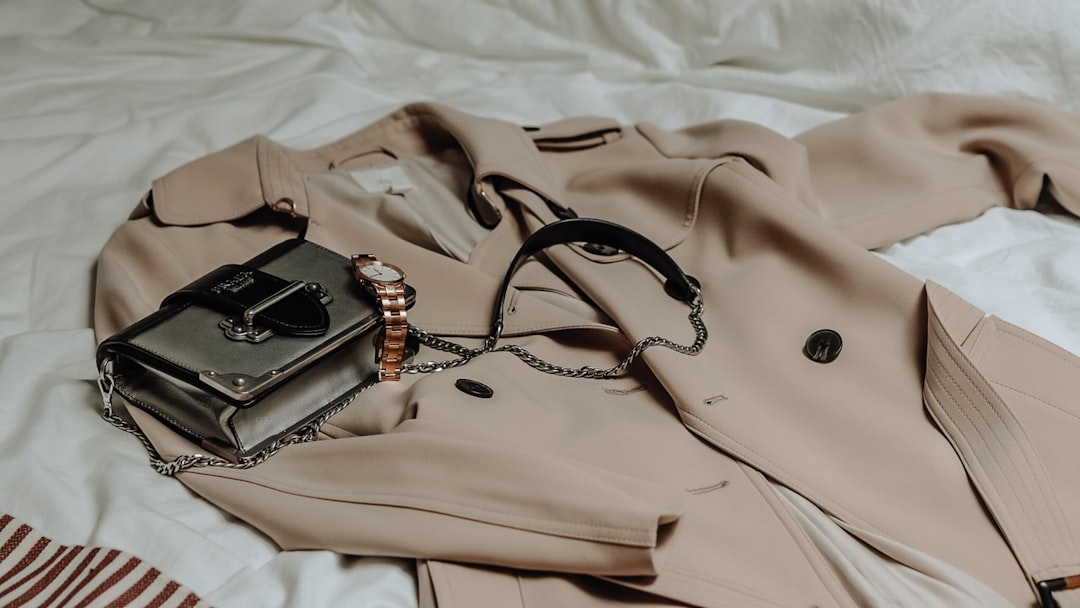
The flattering myth creates decision fatigue
There’s another cost people don’t talk about enough: mental load.
When every shopping trip is filtered through “What hides the most?” you end up making choices from fear. Fear of thighs, fear of arms, fear of stomach, fear of side profile, fear of photos, fear of being read as too much. That is exhausting. And once you’re tired, you become easier to sell to.
That’s part of why the market keeps recycling the same flattering plus size outfits. The formula is simple, familiar, and emotionally sticky. It tells you that if you pick the right wrap dress, the right dark wash, the right vertical line, you can finally relax. But the relief is temporary, because the rule itself never changes. Your body is still the thing being audited.
I think that’s why so many women describe their closet as full but useless. They own plenty of plus size outfits, but almost none of them feel like themselves. The clothes are technically correct and emotionally wrong.
If you’ve ever stood in front of a closet full of “safe” options and still had nothing to wear, that’s not a discipline problem. That’s a framework problem.
What to look for instead
I’m not arguing against structure, proportion, or polish. I’m arguing against using “flattering” as the only standard.
Try this lens instead:
- Does the garment let your body move naturally?
- Does the silhouette look intentional from more than one angle?
- Does the fabric support the shape, or fight it?
- Do you feel more like yourself after putting it on, or less?
That last one matters more than people admit.
A lot of the best plus size outfit ideas are not dramatic. They’re just honest. A straight-leg trouser that skims instead of squeezes. A midi dress with enough room in the hip and enough shape at the shoulder. A cropped jacket that lands where your proportions actually want it to land. A knit that follows the body instead of armoring it.
And yes, sometimes the most flattering thing is the thing that is not trying to be flattering at all.
That’s especially true in workwear, where “professional” often gets translated into “controlled.” A well-cut blazer or crisp shirt can be powerful when it gives the body room instead of shrinking it into compliance. If you want a practical reference point, Spring Office Wear Edit: 5 Looks to Copy is useful precisely because the strongest office looks usually rely on fit and line, not just visual slimming tricks.
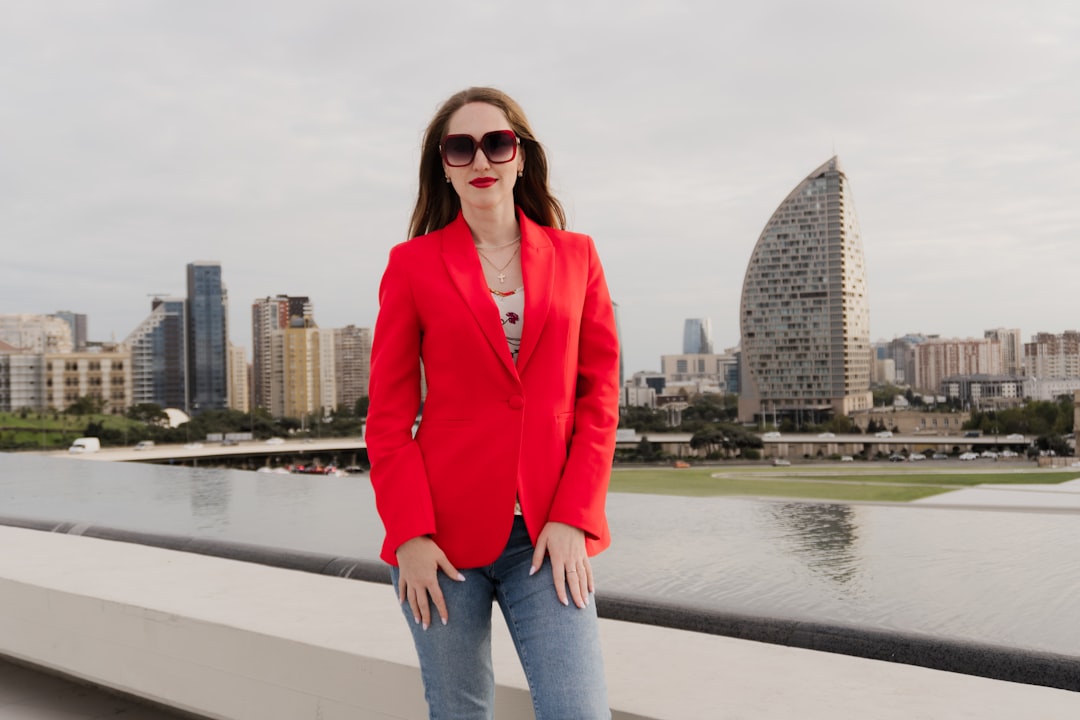
A better standard for plus size outfits
Here’s the standard I wish more brands would use: the outfit should earn its place by how it functions on the body, not by how effectively it edits the body.
That means a few things.
A good plus size outfit should give you shape without forcing shape. It should create clean lines without turning you into a before-and-after comparison. It should make room for the body you actually have on Tuesday afternoon, not the body a brand imagines in a campaign.
That’s also where the smartest brands are starting to separate themselves. The ones worth watching are not the ones promising to “solve” plus size. They’re the ones getting serious about grade rules, fabric recovery, size range, and how a garment behaves in motion. That’s not just product talk. It’s respect.
And if you’re building a wardrobe from scratch, the best plus size outfits for women are usually the ones that can repeat without feeling repetitive. A strong base layer, a reliable trouser, one great dress, one jacket that changes the mood. That’s where edited wardrobes start to make sense. If you like the idea of fewer pieces doing more work, The Ultimate 10-Piece Spring Capsule Wardrobe lines up with this thinking pretty well.
The real win is not looking smaller
It’s looking settled.
There’s a huge difference.
Smaller can look anxious. Smaller can look over-managed. Smaller can look like you’re apologizing in fabric. Settled looks like you know where your body ends and the outfit begins. Settled looks like ease, proportion, and a little authority.
That’s why I’m skeptical of anything labeled flattering plus size outfits without a second thought. Sometimes it’s genuinely useful. Sometimes it’s just a prettier way to sell concealment. And concealment is not style. It’s a coping strategy.
If you’ve spent years being told your best move is to minimize, it can take a minute to unlearn that. But once you do, shopping gets less confusing. Mirrors get less hostile. Your closet gets quieter.
And your clothes finally start doing what they were supposed to do in the first place: support the person wearing them.