Why Petite Women Keep Looking Shorter in the Same Outfits Everyone Else Calls Flattering
Why the Same “Flattering” Outfit Can Make Petite Women Look Shorter
I’ve seen this happen in fitting rooms enough times to stop calling it a coincidence.
A blazer that looks sharp on a 5'7" friend can look like borrowed costume on a 5'1" frame. The shoulder seam drops just 2 cm too far, the hem lands mid-calf, and the whole outfit suddenly feels heavier than the person wearing it. Not bad. Just off in a way you can’t ignore once you notice it.
That’s the part a lot of petite outfits advice online misses. It treats clothing like it means the same thing on every body. Same blazer, same wide-leg pant, same long coat, same “effortless” silhouette. But bodies don’t read clothes that way. Proportion changes the sentence.
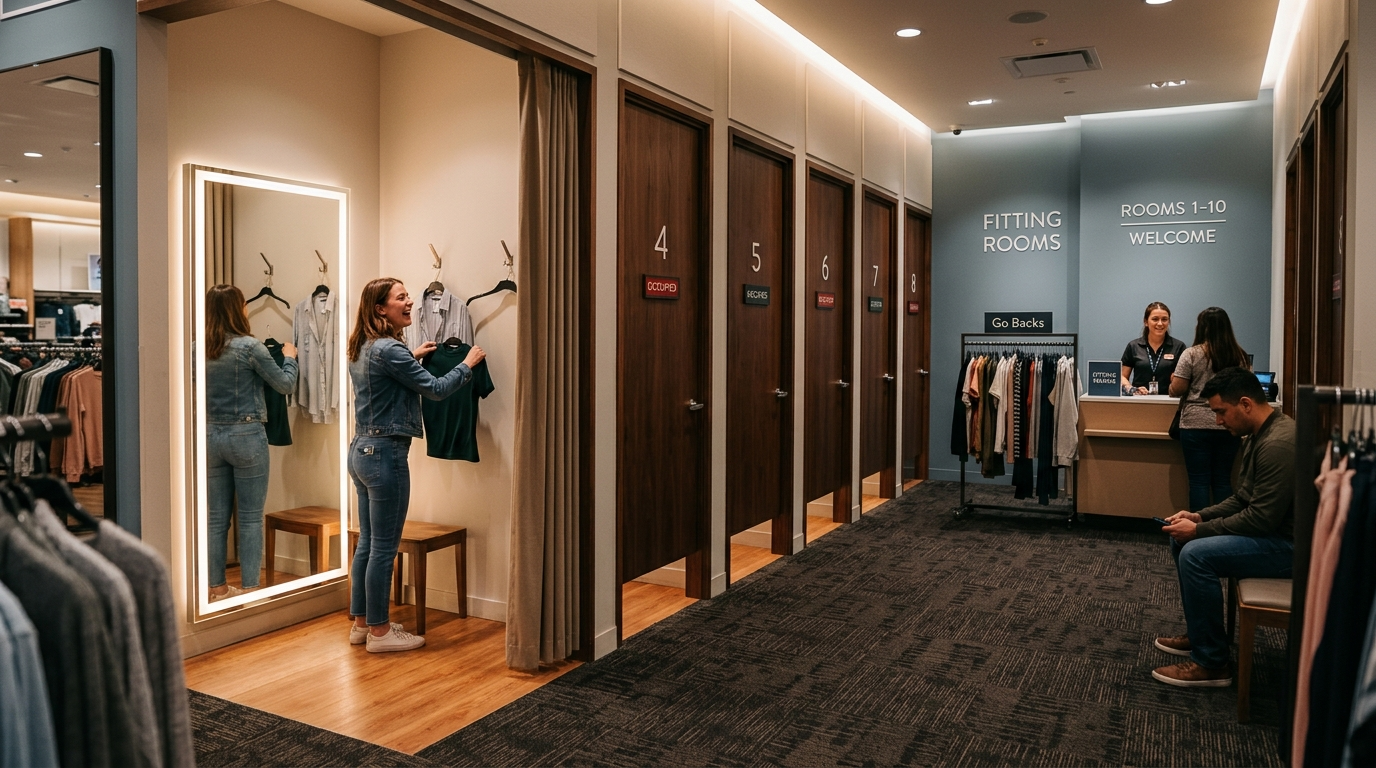
What’s frustrating is how often petite women get blamed for the mismatch. People say the outfit is “too much,” or “needs confidence,” or “just needs better tailoring.” Sometimes tailoring does fix it. Sometimes the garment was built around a different visual assumption from the start: average height, longer vertical line, more room before the eye starts to feel a break. On a petite frame, that same piece can split the body into shorter sections instead of one clean line.
That’s why petite outfits for women are not just smaller versions of regular outfits. They play by different rules. The question is not, “How do I make this trend work?” It’s, “Where does this outfit interrupt the eye?”
The brain is doing math before you are
This part is less mysterious than style blogs make it sound.
When we look at an outfit, the brain doesn’t measure fabric with a ruler. It looks for continuity, interruption, and balance. Vertical lines feel longer because they keep the eye moving down. Horizontal breaks, bulky layers, and awkward hem points stop that movement. On a petite body, those stops show up faster because there’s less vertical space to absorb them.
That’s why a coat that ends right at the widest part of the calf can feel like it cuts the body in half. The coat isn’t ugly. The composition just lands in the wrong place.
I think of petite dressing as visual hierarchy, not just styling. What does the eye notice first? The jacket? The pant hem? The bag? If the clothes are louder than the person, the person disappears a little. That’s the trap.
And yes, this is why some petite outfits ideas look great on Pinterest but feel flat in real life. Pinterest is full of long lines, oversized shapes, and relaxed proportions shot on taller frames or styled with heels and editing. Real life has sidewalks, stairs, grocery runs, and a mirror that doesn’t lie.
The pieces that most often fail petite frames
There are a few repeat offenders I keep seeing.
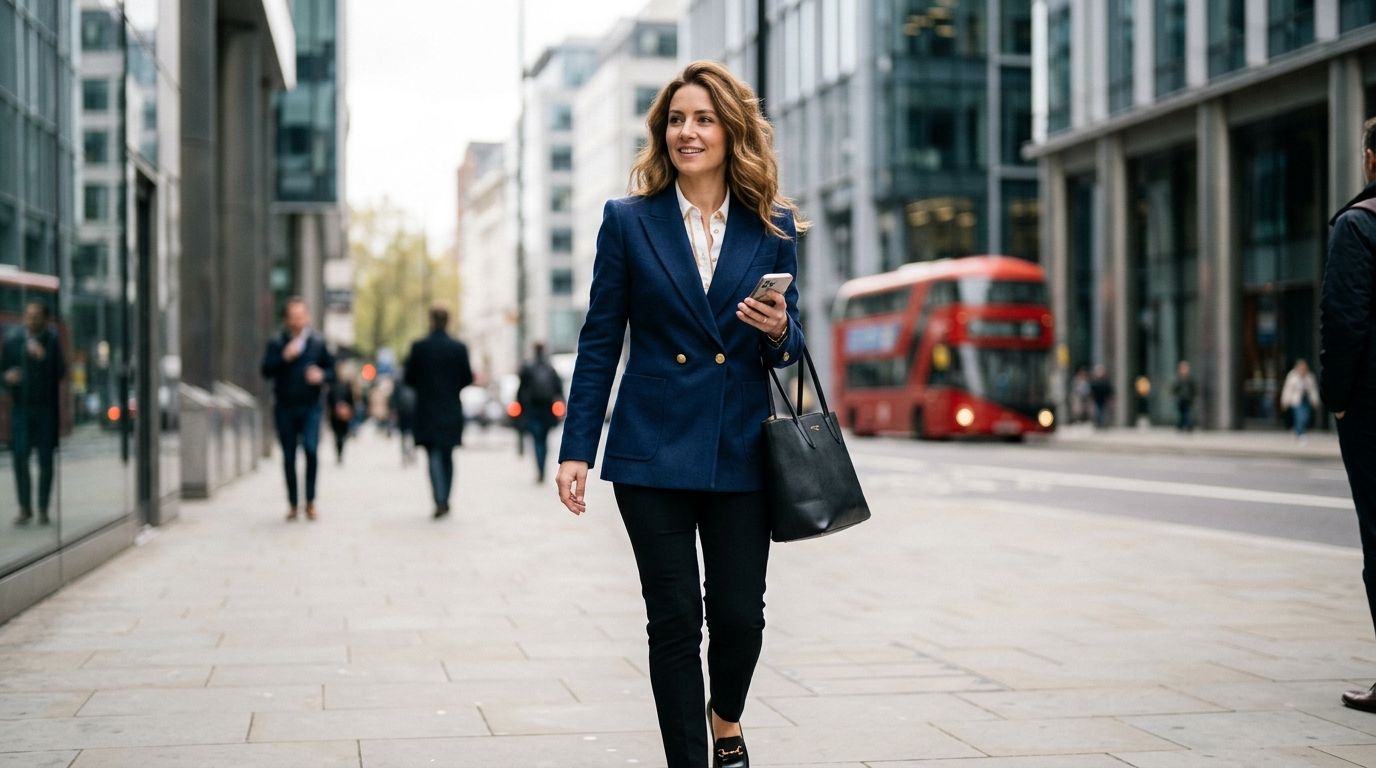
The first is the mid-calf hem. On many petite women, especially around 5'0" to 5'3", a hem that lands in the middle of the calf creates a heavy block right where the leg should keep moving. It can look intentional on a taller body and accidental on a shorter one.
The second is the wide-leg pant with a 23-inch inseam that sounds “petite-friendly” on paper but still misses the mark because the rise is too long or the waistband sits too low. The result is not long and lean. It feels compressed.
The third is the oversized blazer with a shoulder seam that drops too far. Once the shoulder starts drifting down the arm, the jacket stops framing the body and starts swallowing it. A petite woman doesn’t need less structure. She needs structure in the right place.
That’s why some of the best petite outfits are not dramatic at all. They’re just proportionally honest.
If you want a cleaner starting point, a tightly edited wardrobe like The Ultimate 10-Piece Spring Capsule Wardrobe can help because it forces every piece to earn its place. Petite dressing gets easier when you stop buying clothes that only work in theory.
What actually works, and why
Petite outfits for women usually look strongest when they keep the eye moving without too many stops.
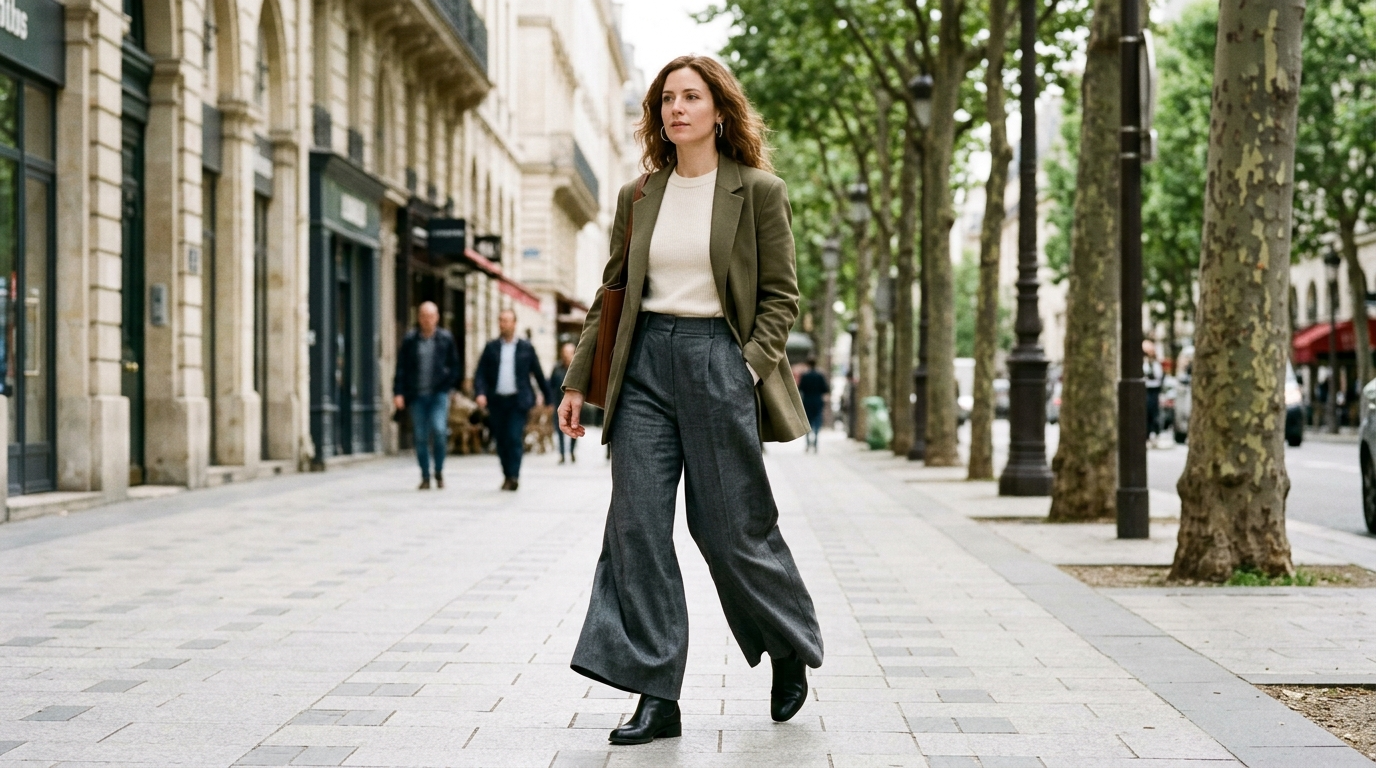
A cropped jacket can work because it brings the waist back into view. A high-rise trouser can work because it lengthens the leg line. A monochrome look can work because it reduces visual interruption. None of that is magic. It’s composition.
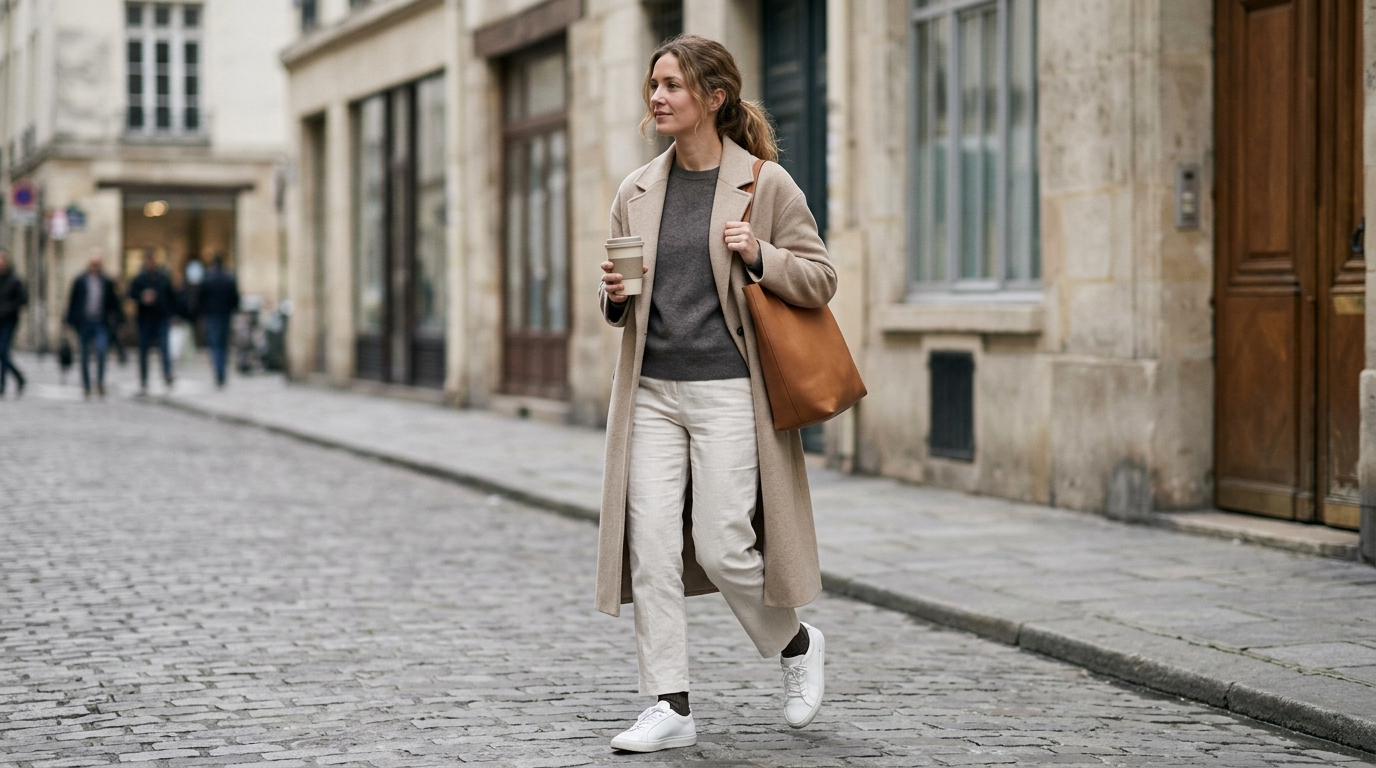
I’ve also seen petite women look unexpectedly polished in a simple neutral outfit when the fit is sharp and the layers are controlled. That’s where something like How to Style Neutral Colors Without Looking Boring becomes useful. Neutral doesn’t have to mean flat. On a petite frame, it often works better when the color story stays calm and the silhouette does the talking.
A few petite outfits ideas that usually hold up better:
-
Shorter jackets with a defined waist
They create a clean break at the right place instead of dragging the torso down. -
Straight or slim wide-leg pants with a higher rise
Not ultra-baggy. Not puddling at the shoe. Just enough room to feel current without erasing the leg. -
One strong vertical line
A column of color, an open neckline, or a long necklace can keep the eye moving. -
Tops that stop above the widest part of the hip
This keeps the body from looking boxed in. -
Shoes that don’t compete with the outfit
Heavy ankle straps and chunky contrasts can shorten the leg faster than people expect.
The part fashion usually skips
What makes petite dressing feel so personal is that it exposes a quiet bias in fashion itself.
A lot of “flattering” clothes are built around a default body that is neither especially tall nor especially short, neither especially broad nor especially compact. That default gets treated like neutral ground. But neutral for whom? For petite women, the so-called universal silhouette can be a mismatch from the beginning.
That’s why the usual advice can feel irritating. “Just wear oversized.” “Just add a belt.” “Just go monochrome.” None of those are wrong. They’re just incomplete. A belt in the wrong place can make a petite body look segmented. Oversized can look chic when the proportions are controlled, or sloppy when they aren’t. Monochrome can elongate, or it can flatten everything if the fabric is too heavy.
The point is not to chase a tiny-body version of trend dressing. It’s to notice where the garment is making decisions for you.
Once you see that, the mirror gets less confusing.
Petite outfits 2026 are moving toward smarter proportion
What I’m seeing in petite outfits 2026 is a shift away from the old “just tailor everything” advice and toward more intentional proportion awareness. People are tired of buying clothes that look great on a hanger and strange on a 5'2" frame. They want pieces that respect the body before the tailor gets involved.
That’s a healthier direction, honestly. It saves money. It saves time. It also saves that awful feeling of standing in a dressing room thinking, “Why does this look like it belongs to someone else?”
If there’s one thing I’d push petite women to remember, it’s this: you are not failing the outfit. The outfit is either working with your proportions or it isn’t.
Once you start judging clothes by how they handle visual flow, not by whether they’re called flattering in a general sense, everything gets clearer. The goal is not to look taller for the sake of it. The goal is to stop letting the wrong silhouette overrule your body.