Why some basics look cheap on the hanger and powerful on the body
Why a basic can look cheap on the hanger and powerful on the body
A lot of people blame the label. I don’t think that’s the real issue.
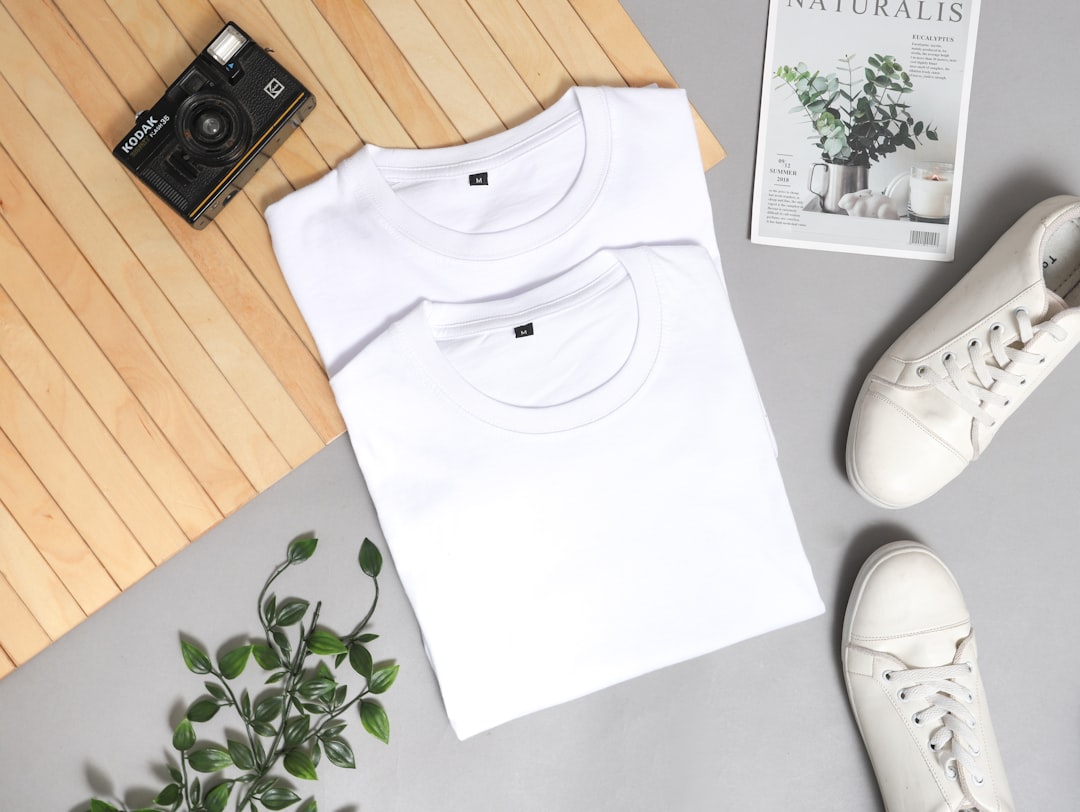
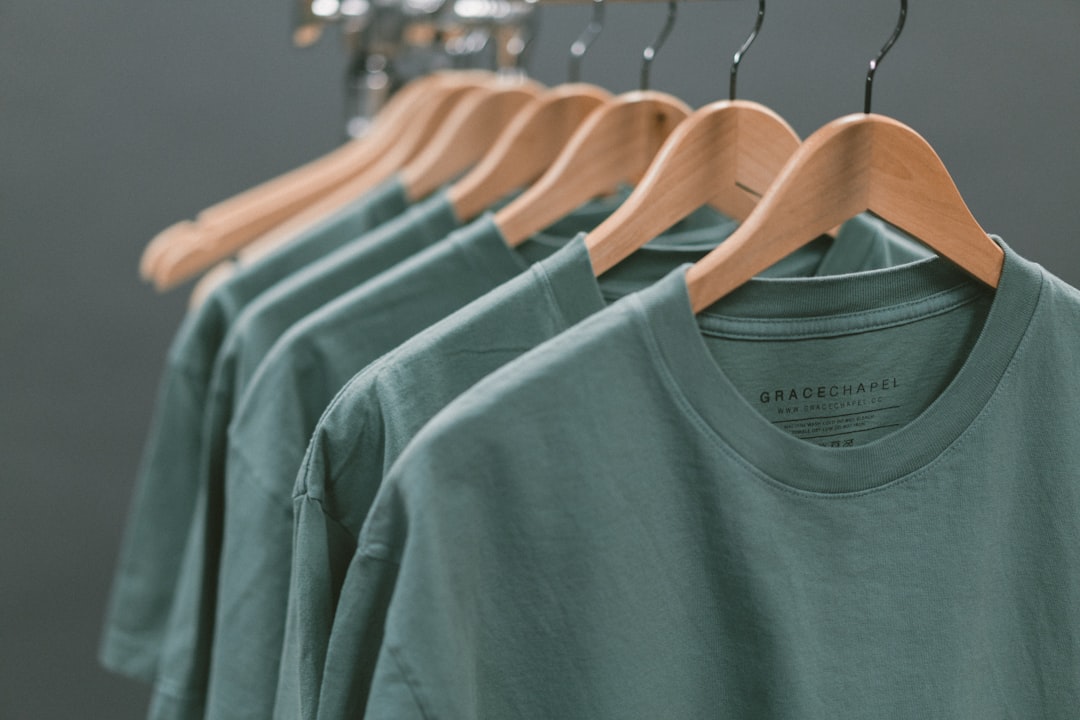
A basic tee, a plain sweatshirt, a simple shirt, or that “safe” pair of trousers can look almost disposable when it’s hanging in a store. Then you put it on, and the whole thing changes. It suddenly has structure. It sits on the shoulder properly. It follows the body instead of drifting away from it. What looked like inventory becomes a choice.
That gap is where most wardrobe essentials live or die. Basic clothing is not supposed to shout. It’s supposed to hold a person together in ordinary life. If it fails at that, no amount of minimalism will rescue it.
The mistake is treating basics like they’re only about simplicity. They’re not. They’re about order.
A good basic has to solve a few quiet problems at once: shoulder line, sleeve length, hem placement, drape, and how the fabric behaves after you move, sit, reach, or walk fast for six blocks to catch a train. That’s why the same white tee can look like a cheap afterthought on one rack and look sharp on a real body. The body gives it proportion. The fabric gives it weight. The fit gives it permission.
I keep coming back to this because it explains why so many people buy wardrobe essentials and still feel like they have “nothing to wear.” They didn’t really buy a system. They bought isolated objects.
The hanger is a liar
On a hanger, clothes are judged in a fake environment.
No shoulders. No chest. No waist. No movement. The garment hangs in a way that flatters loose construction and hides bad behavior. A boxy tee can look calm on a hanger and awkward on a person. A stiff shirt can look crisp on display and then bunch at the back the moment you sit down. A sweatshirt can seem clean until the collar starts collapsing after one wash.
That’s why fit and fabric matter more than the word “basic” ever will.
The brain is fast at reading proportion. We don’t do this consciously, but we notice when a sleeve ends at the wrong point or when a hem cuts the body in a strange place. We read those signals as effort, cheapness, or ease. Clothes that move well tend to feel more expensive because they reduce visual friction. You see the person first, then the garment. When that order flips, the outfit starts working against you.
A lot of minimalist fashion gets this wrong. People think minimal means less shape. Usually it means better shape.
Fit is not vanity. It’s visual order.
There’s a reason a shirt can feel “expensive” even when it isn’t trying to show off.
It’s usually doing three things right.
The shoulder seam lands where the body actually ends.
The torso has enough room to move without ballooning.
The length works with the rest of the outfit instead of fighting it.
That’s it. No magic.
The same logic shows up in How to Style Neutral Colors Without Looking Boring. Neutral pieces only feel flat when they’re treated like background noise. Once the fit is right, a beige tee or a gray sweatshirt stops being “plain” and starts becoming a clean base layer for the rest of the look.
This is also why the best basics often feel more powerful on the body than flashy clothes do. Flashy pieces ask for attention. Good basics earn trust.
And trust is a style currency. If your clothes look like they know where they belong, people read you as more put-together, even if you’re wearing the simplest thing in the room.
Fabric is the part people underestimate
People love talking about cut. Fine. Cut matters.
But fabric is what tells the truth after ten minutes of wear.
A tee that feels nice in the fitting room can turn clingy by lunch. A shirt with poor recovery can lose its shape around the elbows. A sweatshirt with weak drape can look bulky in the mirror and then even bulkier after a commute. You notice it most in motion: walking up stairs, reaching for a bag, leaning over a desk, taking off a jacket in a warm café.
That’s where everyday wear gets exposed.
A basic made from better fabric doesn’t need to be precious. It just needs to behave. It should sit cleanly, fold naturally, and not look defeated after one real day. That’s the whole game.
If you’ve ever tried building a capsule wardrobe and ended up with pieces that all looked “fine” but never really worked together, fabric was probably part of the problem. The pieces may have matched in color, but they didn’t match in texture, weight, or movement. That mismatch is what makes an outfit feel assembled instead of lived in.
The movement test nobody does enough
Try this in a fitting room and you’ll save yourself a lot of regret.
Put the piece on. Then do the boring stuff.
Raise your arms.
Sit down.
Cross your shoulders forward like you’re checking your phone on the subway.
Turn sideways in the mirror.
Pull a jacket over it.
If the neckline warps, if the hem rides up too much, if the sleeve twists, if the body pulls across the chest, that’s the garment telling you it only looked good in one frozen position. That is not a wardrobe essential. That’s a photo prop.
I’ve watched people buy the “clean” shirt and then spend the next week tugging at it like it offended them. That tiny gesture tells you everything. When clothing keeps asking for correction, it drains attention. When clothing moves quietly, it gives attention back.
That’s the real appeal of modern minimalist fashion when it’s done well. It reduces decisions not by being bland, but by being reliable.
A practical way to judge basics without overthinking it
If you want a cleaner system for basic clothing, I’d use this checklist in the fitting room:
-
Check the shoulder first.
If the seam misses your actual shoulder line by too much, the rest of the garment is already compromised. -
Look at the fabric from a distance.
Hold it up to light if you can. Does it collapse, shine strangely, or look thin in a way that feels accidental? -
Move like a normal person.
Sit, reach, twist, walk. Clothes should survive your life, not just your mirror pose. -
Compare the hem to the rest of your wardrobe.
A great tee can still fail if its length makes every pair of pants look awkward. -
Ask one blunt question: would I wear this three times in a week?
If the answer is no, it’s probably not a true everyday wear piece.
That’s also where brands like Municipal make sense for a certain kind of dresser. If you’re the person who wants one clean shirt that can go from commute to weekend coffee to a low-key dinner without needing a full outfit rethink, that’s the kind of use case where Municipal’s modern, simple, easy-to-match direction feels relevant. Not because it shouts. Because it stays usable.
The real difference between cheap and powerful
Cheap basics usually fail because they only consider how clothes look at rest.
Powerful basics consider what happens when a human body enters the picture.
That sounds obvious, but it’s the part most people skip. They shop for the hanger version of themselves. Then they wonder why the mirror feels off. The fix is not buying more basics. It’s choosing better ones: better fit, better fabric, better proportion, better behavior in motion.
That’s why a plain tee can look cheap on the rack and strong on the body. The rack has no posture. The body does. And once a garment respects that, it stops being “basic” in the dismissive sense. It becomes the quiet backbone of the wardrobe.
If you want your basics to work harder, shop like this
Don’t ask, “Is this simple enough?”
Ask, “Does this give my body a cleaner line?”
Don’t ask, “Does it look good folded?”
Ask, “Will it still look good after a commute, a wash, and a long day?”
Don’t build a closet around the idea of minimalism. Build it around repeatable behavior.
That’s the part people remember when they see someone dressed well in a plain outfit. Not the logo. Not the trend. The feeling that everything is in its right place.
And honestly, that’s the whole promise of good wardrobe essentials. They make everyday wear look less like compromise and more like control.