The Clothing Deals Trap: Why Most Sale Racks Are Designed to Empty Your Closet, Not Upgrade It
The sale rack is not your friend
I used to think a good discount was a kind of intelligence test. If I found the right coat at 60% off, or grabbed a knit before it sold out, that meant I was being smart with money.
Most of the time, it meant I was being smart for the store.
Most clothing deals are built to move inventory, not to help you build outfits. That sounds harsh, but spend ten minutes near a sale rack on a Saturday afternoon and you’ll see it: broken sizes, off-season colors, odd cuts that never sold at full price, and one lonely sequined top that looks like a bargain only because it has a red tag on it. The tag is doing a lot of emotional work.
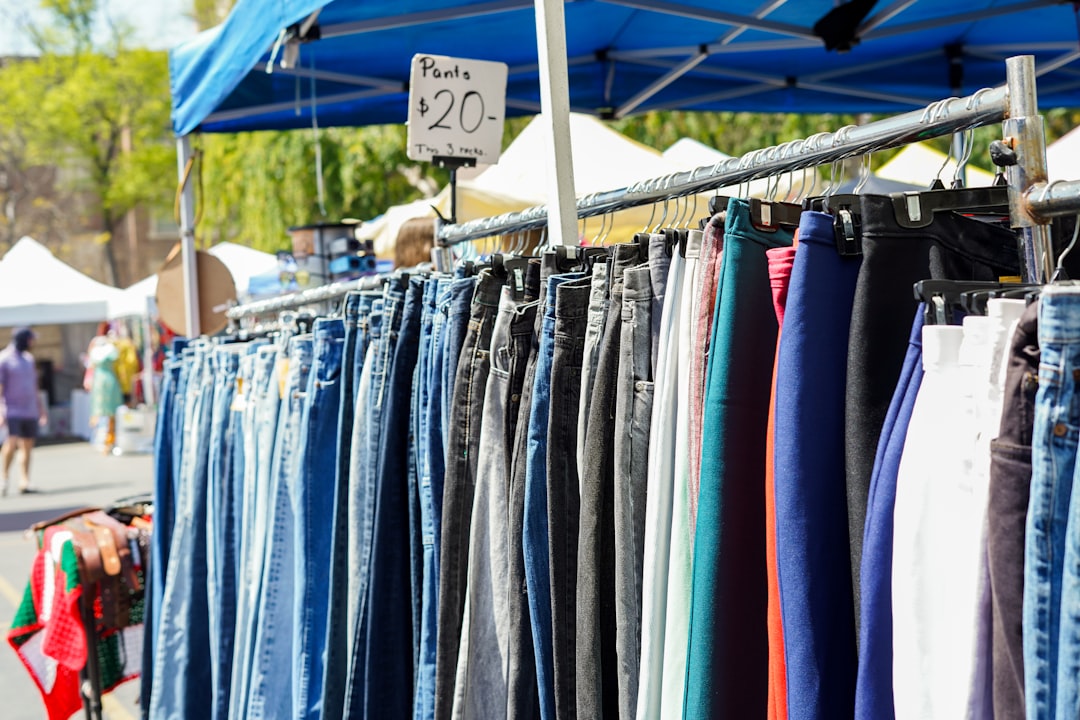
What makes clothing deals women click so fast is not just price. It’s the little story attached to the price: I’m saving money, I’m being practical, I’m not missing out. That story is strong enough to quiet the annoying part of your brain that asks, “Will I wear this with anything I already own?”
That question is the whole game.
Cheap is not the same as useful
A few months ago, I bought a pair of wide-leg trousers for about $28 because they were marked down from $78 and looked close enough to the tailored pants I’d been wanting. In the fitting room, they seemed fine. At home, under normal light, the fabric was thinner than I expected, the waistband gaped, and the hem dragged just enough to look sloppy with flats.
I wore them twice. Once to a coffee meeting. Once to the grocery store because I was already in them.
Then they sat in my closet like a warning.
That’s the part people skip when they chase clothing deals online. The real cost is not the checkout total. It’s the decision fatigue that comes after. Every time you open the closet and see a piece that almost works, your brain has to negotiate with it again.
A cheap item worn once is not a win. It’s clutter with a receipt.
If you want a cleaner way to think about sale clothing, use a simple rule of thumb: the item has to survive three tests.
- It fits at least three existing outfits.
- It feels good after a full day, not just in the mirror.
- You can name the exact place you’d wear it in the next 30 days.
If you can’t answer those without hesitation, the discount is just decoration.

The sale rack is a merchandising system, not a style advisor
Retail merchandising is built to make your eye move fast. Bright signage, limited-time language, crowded racks, low prices grouped together in one visual field. It creates urgency on purpose. Your brain starts reading “limited” as “valuable,” even when the item itself is just a leftover.
That’s why clothing deals this week can feel weirdly addictive. The page is doing half the thinking for you. Online, it’s even easier to get pulled in. Endless scroll, countdown timers, “last chance,” “almost gone,” and a dozen similar tops in slightly different shades of beige. The clutter itself becomes the pressure.
This is where habit formation matters. If your shopping habit is “see sale, feel relief, buy,” then the store owns your reflex. If your habit is “see sale, check wardrobe gap, pause,” you get your agency back.
That pause is not glamorous. It’s a tiny interruption. But tiny interruptions save closets.
I’ve learned to ask one annoying question before I click on clothing deals online: what problem is this solving? Not what emotion is this solving. Not what fantasy is this solving. A real problem. Cold-weather layering? Office rotation? A missing pair of black pants? If I can’t name the problem, I’m usually shopping for a mood.
What actually belongs in a long-term closet
There’s a reason capsule wardrobe content keeps coming back, including pieces like The Ultimate 10-Piece Spring Capsule Wardrobe. People are tired of buying more things that don’t make mornings easier.
A strong closet is not a bigger closet. It’s a more cooperative one.
The pieces worth buying, even on sale, usually have boring superpowers:
- they match your real life, not your fantasy life
- they work with shoes you already wear
- they survive washing without turning weird
- they still make sense when trends cool off
That last one matters more than people admit. I once bought a trendy satin blouse on sale because it looked expensive and “fashion-forward.” After one wash on delicate, it came out slightly wrinkled in a way that never really recovered. It was not ruined. It was just demoted. I stopped reaching for it because every wear came with a little maintenance tax.
That’s how sale clothing sneaks up on you. Not through obvious failure. Through mild inconvenience.
And mild inconvenience is enough to kill an outfit.
The clothing deals trap is really a self-image trap
A lot of clothing deals women are marketed around the same emotional script: you’re being savvy, you’re staying current, you’re not overpaying. Fair enough. But the deeper hook is identity. Buying on sale can feel like proof that you’re the kind of person who knows how to live well without wasting money.
That identity is seductive.
It also gets expensive if you confuse it with taste.
Taste is not the ability to catch a markdown. Taste is knowing when the cheaper option will cost you more in wear, time, and mental space. That’s why a plain black blazer from a Spring Office Wear Edit: 5 Looks to Copy kind of wardrobe is often a better buy than the louder “statement” piece that looked exciting under store lights. The blazer earns its keep. The statement piece asks for an audience every time.
If you want a cleaner style filter, compare the sale item to something neutral and already proven. A good guide is How to Style Neutral Colors Without Looking Boring. Neutral basics usually win because they do one thing well: they keep your outfit architecture stable.
That’s the part the sale rack rarely helps with. It sells novelty, not structure.

A better way to shop the discounts
I’m not anti-discount. I still buy sale items. I just don’t let the markdown make the decision for me.
Here’s the version that has saved me the most regret:
-
Check your closet first, not the sale page.
If you already own three versions of the same silhouette, the deal is probably noise. -
Try to picture a full outfit, not a single piece.
If you need two more purchases to make one item work, it’s not a deal. It’s a project. -
Look at fabric and care, not just price.
If it wrinkles badly, pills fast, or needs special washing you won’t actually do, the discount is fake. -
Give yourself a 24-hour pause for clothing deals online.
If it still feels right tomorrow, it may be real. If it disappears from your mind, that tells you something useful. -
Buy for repeat wear, not for rescue.
A piece should make your life easier on a random Tuesday, not just look good in the cart.
The best sale racks are really tests. They show you whether you’re shopping for your wardrobe or for the dopamine hit of “saving.”
And that’s the part worth getting honest about.
The person who walks away from a tempting markdown is not missing out. She’s protecting her closet from becoming a storage unit for almost-right things.
That’s the smarter flex.