The Hidden Accessory Formula That Makes Basic Outfits Look Finished Instead of Random
The accessory that saves an outfit is usually the one you almost forgot
There’s a very specific kind of morning frustration: you put on a clean tee, good jeans, maybe a blazer or trench, look in the mirror, and the outfit still feels unfinished. Not bad. Just unfinished. Like the sentence stopped one word too early.
That’s usually not a clothing problem. It’s a finishing problem.
I see this all the time: people keep buying better basics when what they actually need is one clear anchor. One piece that gives the eye somewhere to land. That can be a bag, a belt, earrings, glasses, a watch, or even a scarf. The point is not decoration. The point is to stop the outfit from reading as random.
I’ve watched this happen in the most ordinary places. A commuter catching her reflection in a subway window and realizing her coat looks flat until she adds a structured bag. A friend leaving the office with a blazer that’s started to slump by 3 p.m. because her tote is too soft. A woman swapping tiny studs for one pair of gold hoops before dinner and suddenly looking like she planned the whole thing. Same clothes. Different ending.

The reason this works is simple: people read shape and contrast before they read fabric quality. That’s basic perception, not fashion mysticism. The eye wants a focal point. When there isn’t one, it wanders. When there is one, the whole look feels organized, even if the clothes are just a white shirt and straight-leg pants.
That’s why I think the smartest way to build fashion accessories for women is not to own more. It’s to own fewer, sharper things.
The one-anchor rule
If your outfit is built from basics, you usually need just one accessory to do the heavy lifting.
Not five. Not a pile of trends. One anchor.
That anchor can do different jobs:
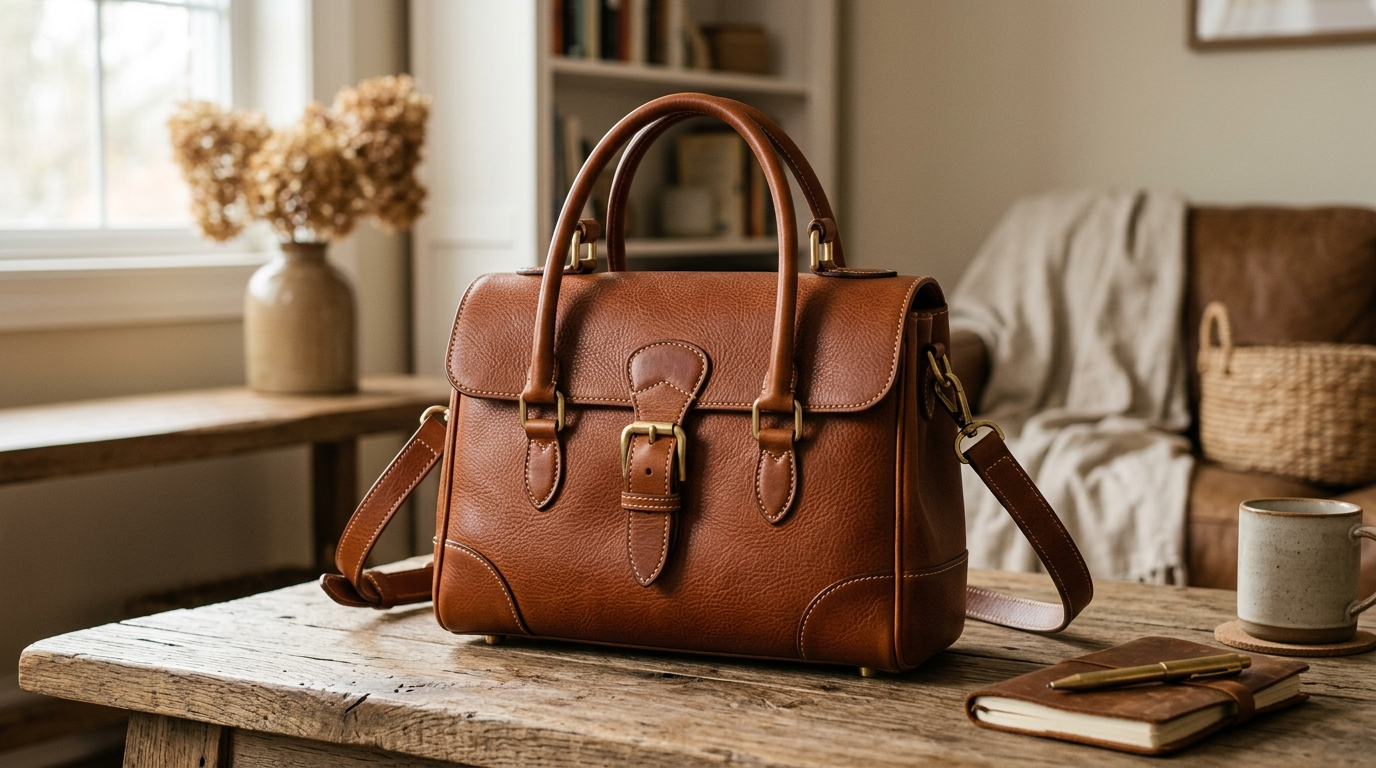
- A structured bag makes soft clothes feel intentional.
- A belt gives loose layers a waist and a finish line.
- Earrings pull attention up when the outfit is very plain.
- Glasses add shape and a little authority.
- A watch or bracelet gives restraint to a look that might otherwise feel too empty.
This is the part people miss when they search for a fashion accessories list. They think the list is the solution. It’s not. The real question is which piece closes the loop on your outfit.
If you wear a lot of neutral colors, this becomes even more important. There’s a reason How to Style Neutral Colors Without Looking Boring matters here: neutrals don’t fail because they’re neutral. They fail when nothing in the outfit creates contrast, shape, or direction.
A capsule wardrobe accessory set should be small on purpose
People love the idea of capsule wardrobe accessories because it sounds calm. Fewer decisions. Less clutter. Less money wasted on things that sit in a drawer.
But a capsule only works if every piece earns its place.
Here’s the short version of what usually deserves space:
- Structured everyday bag: the easiest way to make jeans and a tee look planned.
- Simple belt: useful when proportions need help, especially with oversized shirts, blazers, or dresses.
- Hoop or drop earrings: fast visual payoff, especially on low-effort mornings.
- Sunglasses or optical frames: not just practical, they frame the face and make the outfit feel edited.
- One watch or bracelet: gives polish without trying too hard.
- Scarf: best when you want movement, color, or a little old-school personality.
That’s enough for most people. Really.
If you want a reference point for keeping the wardrobe lean without making it dull, The Ultimate 10-Piece Spring Capsule Wardrobe is useful because the same logic applies: every item has to carry its weight. Accessories should work the same way. No freeloaders.
How to choose the right accessory in 30 seconds
Here’s the system I use when an outfit feels close but not done.
1. Look at the neckline and waist first
If the top half is open and plain, earrings or glasses usually help more than a necklace. If the outfit is boxy or oversized, a belt or structured bag often does more work.
2. Ask where the eye is getting stuck
If everything is soft, add structure. If everything is dark, add shine. If everything is loose, add one defined shape.
3. Pick one anchor, not three
This is where people overdo it. Big earrings, loud bag, chunky necklace, statement belt, and bright shoes can make even expensive clothes look confused. One strong accessory almost always beats four medium ones.
4. Check the outfit in bad lighting
This sounds silly until you do it in a bathroom mirror or a subway window and realize the piece that looked subtle at home now reads perfectly from six feet away.
5. Remove one thing before leaving
If the look feels busy, take one item off. That tiny edit is often what makes an outfit feel finished instead of assembled.
That last step is the one most people skip because they’re tired and late. But tired and late is exactly when random outfits happen.
The best accessories are boring in the right way
This may sound unglamorous, but the most useful fashion accessories for women are often the ones that don’t scream for attention.
A black leather belt. Small gold hoops. A clean crossbody. Tortoiseshell frames. A watch with a simple face. These are not the pieces that dominate a photo. They’re the pieces that make the photo make sense.
There’s a reason these items keep surviving trend cycles. They solve a visual problem. They make basics look deliberate.
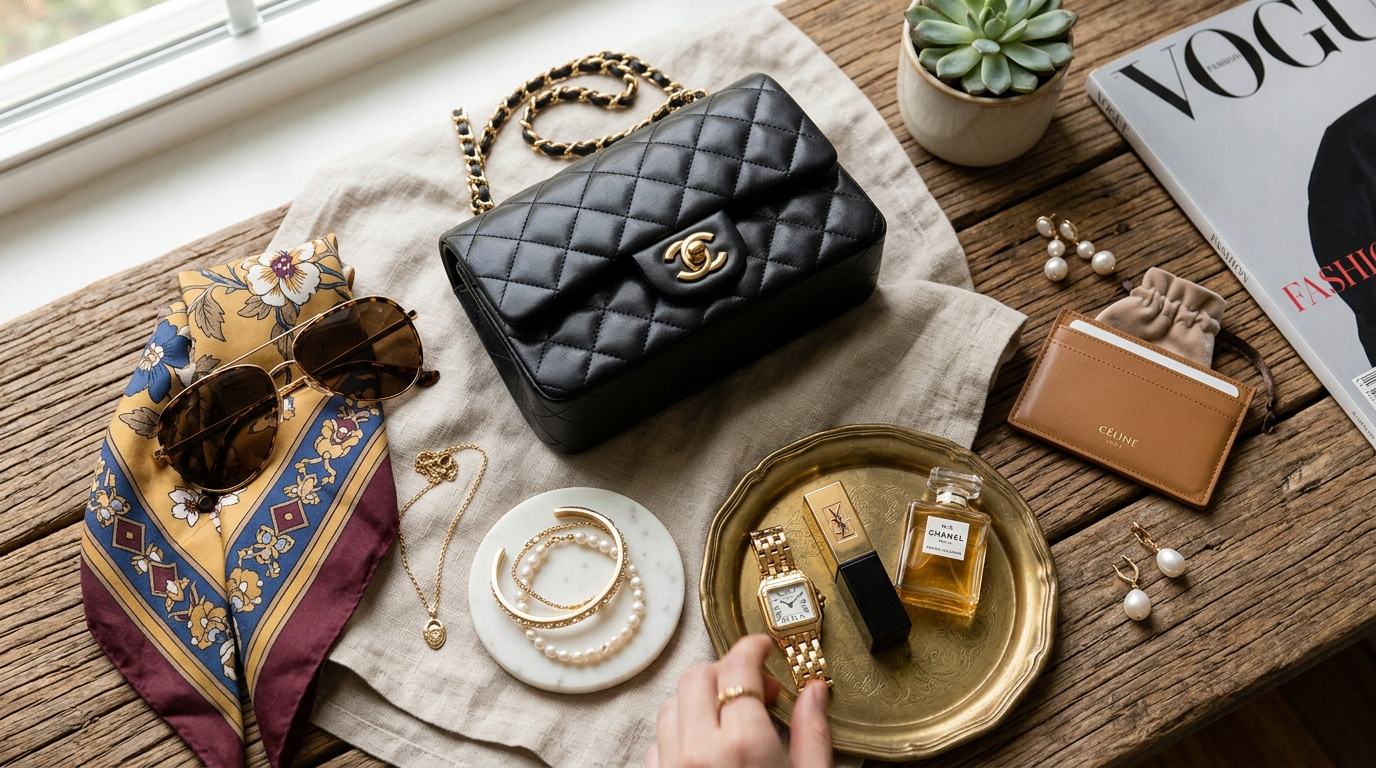
That’s also why a lot of people get trapped by designer-bag fantasy without solving their actual wardrobe issue. A bag can be beautiful and still wrong for your life if it collapses the line of your outfit or feels too precious to use. If you’re curious about the practical side of that conversation, Our Favorite Designer Bag Dupes Under 00 fits into the same logic: the best bag is the one that works with your real clothes, not just your wishlist.
A small caveat: not every outfit needs a hero
Here’s the part that keeps this honest.
Sometimes the best accessory is the absence of one.
A clean tank, wide-leg pants, and minimal sandals can look better with almost nothing added. Some outfits are meant to breathe. Some looks are intentionally plain because the shape of the clothes is the statement. If you force an anchor where none is needed, you can ruin the whole thing.
That’s why I don’t love accessory rules that sound universal. They’re useful only until they aren’t. The real skill is noticing when an outfit needs a closer, and when it needs space.
A few everyday outfit ideas that actually work
If you want this to feel less theoretical, try these combinations:
-
White tee + straight jeans + loafers + structured tote
Clean, easy, and not forgettable. -
Black tank + wide trousers + gold hoops + slim belt
The belt gives the waist a job. The earrings keep the top half from disappearing. -
Button-down shirt + relaxed denim + glasses + leather crossbody
Good for office days that don’t want to look overworked. -
Knit dress + ankle boots + watch + small shoulder bag
Quiet, but complete. -
Blazer + tee + trousers + one strong ring or cuff
Enough polish for a dinner plan after work.
These are the kinds of everyday outfit ideas that look expensive without trying to act expensive.
The real payoff is not style. It’s relief.
I think that’s why this topic hits so hard right now. People are tired of making a hundred tiny decisions before they’ve had coffee. They want clothes that behave. They want capsule wardrobe accessories that reduce friction instead of adding to it.
And honestly, that’s the promise of the whole system: not to look trendy, but to look done.
That feeling matters. It’s the difference between stepping out the door and still mentally adjusting your outfit all day, versus forgetting about it because the look already closed itself.
So if your basics keep reading as random, don’t start with a shopping spree. Start with one anchor. The right bag, the right earrings, the right belt, the right glasses. One piece that tells the outfit where to end.
That’s usually the missing line.