The Real Sunglasses Trends for 2026 Are Not the Ones Fashion Editors Keep Pushing
The real trend in 2026 is not the frame shape. It’s whether you’ll actually wear it.
Fashion editors love a dramatic sunglasses story. One season it’s razor-thin rectangles, the next it’s oversized shields, then a little retro cat-eye gets crowned as the answer to everything. Great for mood boards. Not always great for the pair you actually reach for at 8:10 a.m. when you’re half-awake, carrying coffee, and trying not to squint on the train.
That gap is the whole story of sunglasses trends 2026. The real shift is not “what looks hottest in photos.” It’s “what survives real life.” If a frame works for commuting, driving, weekend errands, and the occasional posted selfie, then it has a shot. If it only looks good under perfect lighting, it’s basically costume jewelry for your face.
I’ve tested enough pairs to know this: the sunglasses trends for women that actually stick are usually the ones that don’t demand a performance from the wearer. They do their job quietly. They don’t pinch at the temples after 40 minutes. They don’t slide down your nose when you look at your phone. They don’t make you feel like you borrowed someone else’s personality.
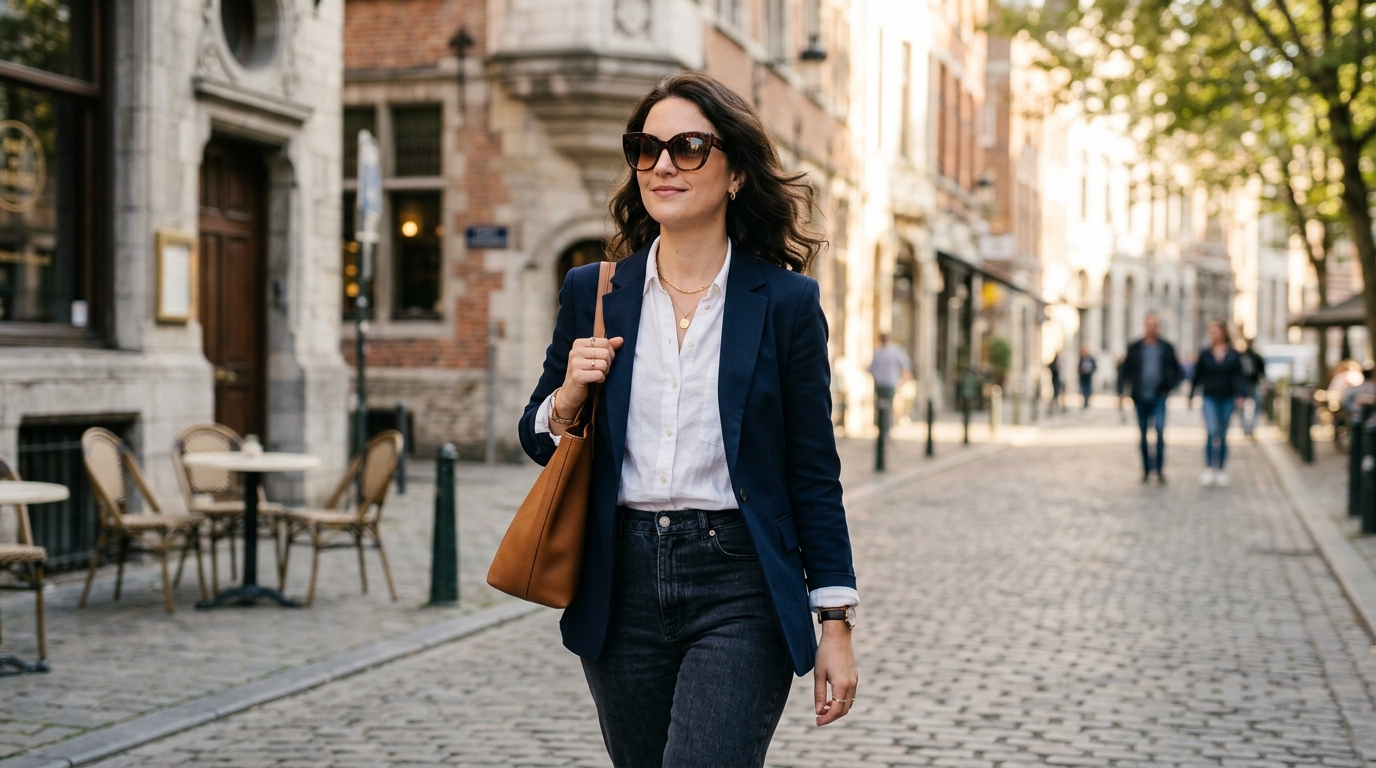
What editors keep pushing, and why it misses the point
The runway conversation is still obsessed with silhouettes that read fast on camera. Tiny lenses. Hyper-angular edges. Extreme wrap styles. Big logo energy. They look sharp in a front-facing shot, and that’s exactly the problem. A front-facing shot is not a life.
A pair of sunglasses has to negotiate with your actual day. If you’re in an office all morning and outside for lunch, you need something that can move between environments without feeling theatrical. If you drive, lens clarity and glare control matter more than whether the frame looks “fashion-forward” at 400 percent zoom. If you’re taking a weekend walk, weight matters. If you want them to work with a neutral wardrobe, the frame can’t be doing all the talking.
That’s why I keep coming back to the same idea: trends are filters, not orders. The best sunglasses trends now are the ones that help you sort through noise, not add to it.
A small example. I wore a pair of slim rectangular frames with a 52-18 fit for a full day: subway, laptop work, grocery stop, late-afternoon sun. They looked sleek, sure. But by hour three, the nose pads had started leaving little marks, and the narrow lens height made me feel oddly exposed in bright light. The frame was trendy. The experience was annoying. That’s the difference people keep skipping.

The frames that are actually winning in real life
If I had to put money on the sunglasses trends 2026 women will keep wearing, I’d bet on three kinds of frames.
The first is the softened rectangle. Not the severe, fashion-week rectangle with a hostile attitude. The easier version. Slightly rounded corners, medium lens height, clean lines. It works because it reads current without trying too hard. It also plays nicely with basics, which matters more than people admit. If your wardrobe lives somewhere between a trench coat and straight-leg denim, this frame makes sense.
The second is the updated cat-eye. Not the tiny, aggressive one that turns every face into a costume. The newer version is a little wider, a little less theatrical, and better balanced. It gives lift without looking like it’s auditioning for a vintage campaign. For women who want a bit of shape but don’t want to look overstyled, this is one of the safest bets in sunglasses trends for women.
The third is the oversized but not absurd frame. Think coverage, not drama. A frame with enough lens area to block sun properly, but not so much mass that it swallows the face. This is the category that usually gets overhyped by editors and underused by real people. Yet when the proportions are right, it solves a lot: sun protection, privacy, and that easy off-duty feeling people keep trying to manufacture.
If you want a quick reality check, compare a tiny 48 mm lens height with a more wearable 52 to 55 mm range. On paper, the difference sounds minor. On your face, it changes everything. The smaller lens can look sharper in photos, but the larger one usually gives better coverage and feels less fussy in everyday wear.
The test I trust: same day, same light, two frame types
I stopped trusting trend claims and started testing pairs under the same conditions. One sunny afternoon, I wore a slim micro-frame and a medium oversized acetate frame on the same route: a 20-minute walk, a bright café window seat, and a short drive home.
The micro-frame won one category only: it looked cool in a mirror selfie.
The medium acetate frame won everything else. Less glare near the edges. Better coverage when I looked down at my phone. Less urge to adjust it every ten minutes. More comfort when I moved from shade into direct sun. The difference was not subtle after about an hour.
That’s why the “real” sunglasses trends 2026 are leaning practical. A frame that stays put, blocks light properly, and doesn’t fight your face is more modern than a frame that just photographs well.
This is also where shopping gets smarter. If you’re building a wardrobe that already relies on neutral pieces, the glasses should behave the same way. The logic is similar to what I’d say about How to Style Neutral Colors Without Looking Boring: the point is not to be invisible. The point is to look considered without looking overworked.
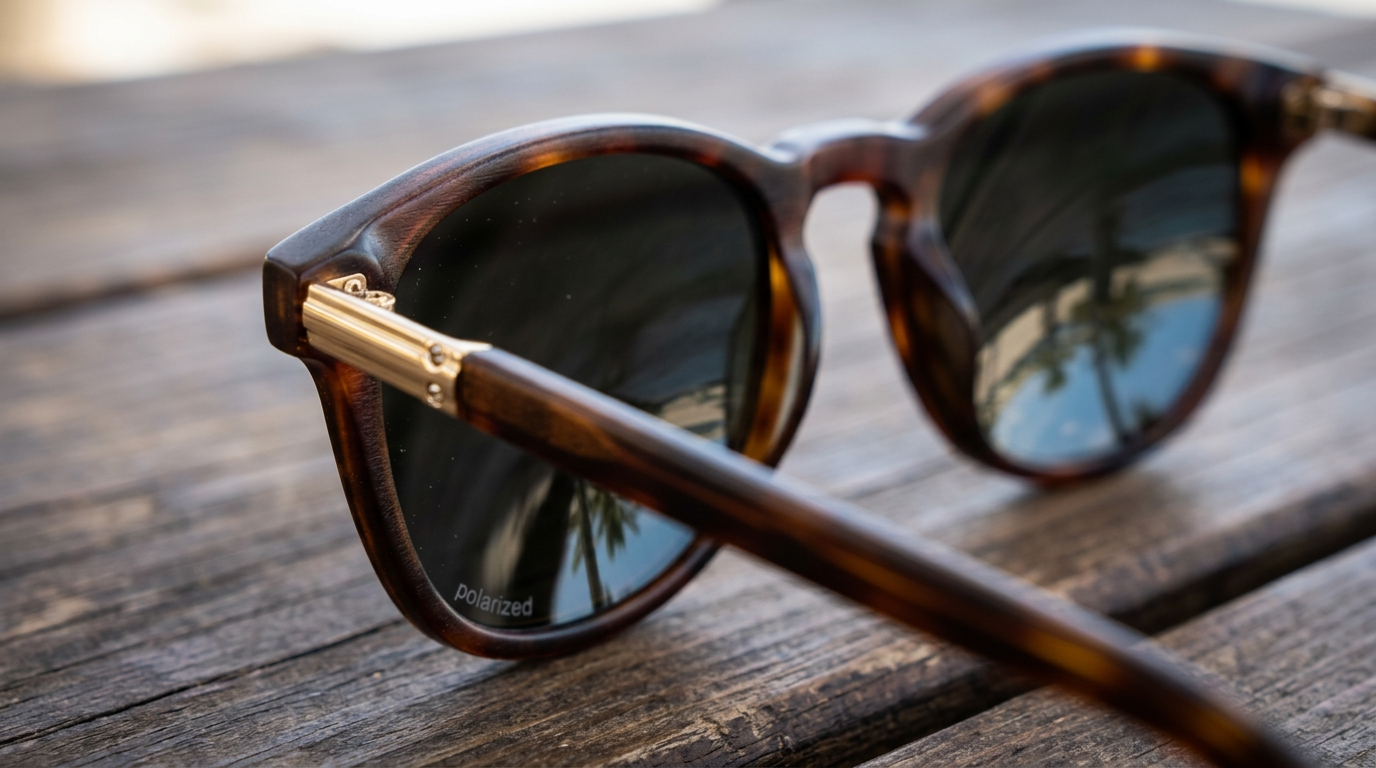
What to look for before you buy
I’d filter sunglasses trends now through four questions.
Does the frame fit your face width without pressing at the temples?
If you get that little side squeeze, you will notice it by day two.
Does the bridge sit naturally, or are you constantly pushing it up?
A frame can be beautiful and still be a bad fit if the bridge is wrong.
Can you wear it for at least two hours without thinking about it?
That’s my real benchmark. If I keep noticing the glasses, they’re not staying.
Does the lens actually help in your main use case?
For driving, glare reduction matters. For city walking, coverage matters. For beach days, wrap and fit matter more than fashion nuance.
This is where lens quality quietly becomes part of the trend story. A decent frame with poor lenses is a bad buy dressed up as taste. A well-made pair with balanced proportions is the opposite: it makes you look like you know what you’re doing even if you bought it in five minutes.
Brands that understand this are the ones worth paying attention to. Not because they’re loud, but because they solve the boring parts well. If a pair can stay comfortable on a commute, reduce reflection in the car, and still not look clunky in photos, then it actually belongs in the conversation about sunglasses trends 2026.
The social game underneath all this
Here’s the part fashion content rarely says out loud: sunglasses are tiny identity theater.
They sit right on your face, which means they can signal taste faster than a coat or a bag. That’s why editors keep pushing dramatic shapes. They read instantly. They create narrative. They let you look like you understand the moment.
But most people are not trying to become a mood board. They’re trying to get dressed and move through the day without looking like they tried too hard.
That’s why the smartest sunglasses trends for women in 2026 are not really about being “in.” They’re about being legible. You want a frame that says: yes, I know what’s current, but I’m not letting the trend wear me.
That’s a more interesting kind of status anyway. It’s quieter. It has better mileage. And it usually means you’ll wear the thing 60 times instead of six.
If you’re tempted by the loudest frame in the feed, ask one question before you buy it: will I still like this when I’m not posing? If the answer is no, it’s probably not one of the sunglasses trends 2026 women should chase. It’s just a very photogenic mistake.
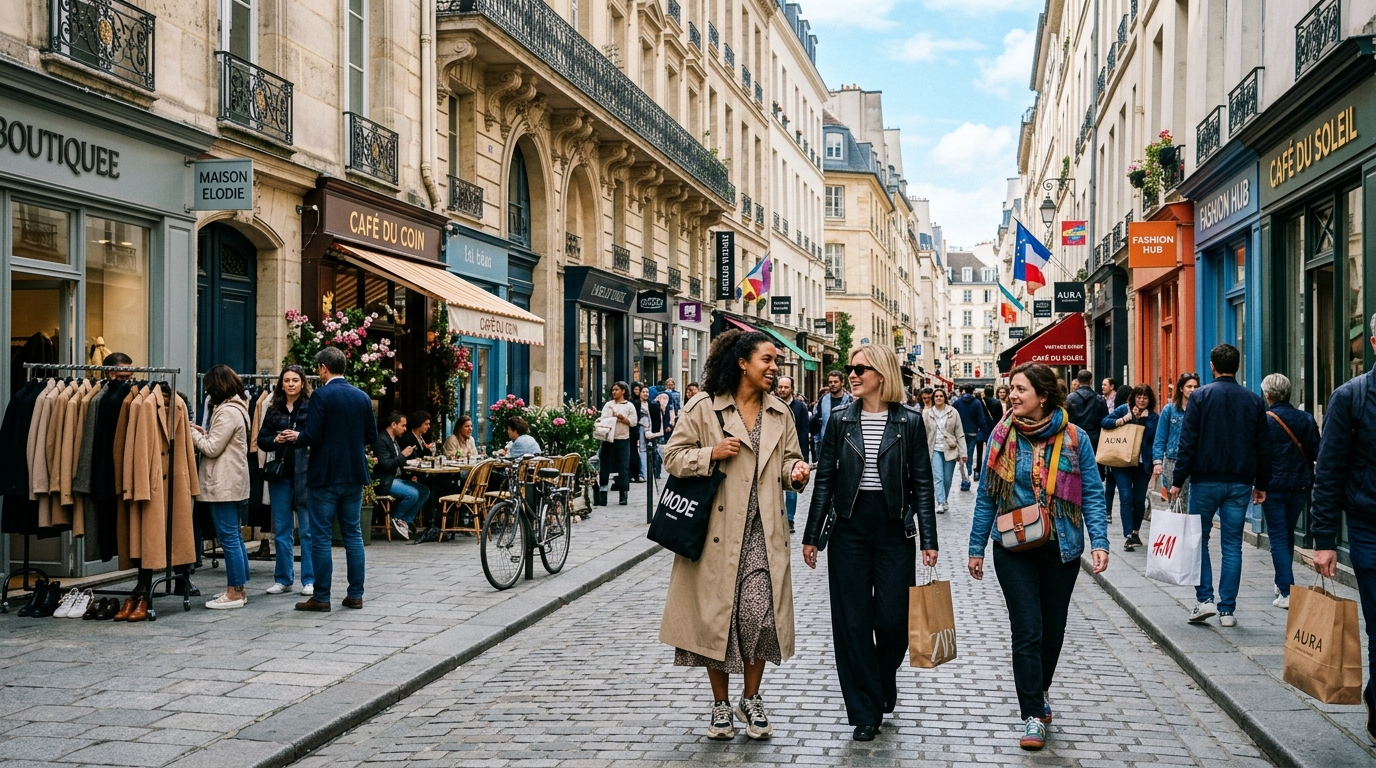
The real 2026 rule
The sunglasses trends 2026 are not saying “buy less style.” They’re saying “buy more judgment.”
That’s the shift. Not from fashion to anti-fashion, but from performance to fit. From being told what the season wants to wearing what actually works on your face, in your light, in your life.
The frames that win now are the ones that can do three things at once: look current, feel comfortable, and survive ordinary days. That sounds unglamorous until you realize it’s the most stylish thing in the room.