Why Clothing Shopping Feels So Random—And the One Question That Stops You From Buying the Wrong Piece
Why Clothing Shopping Feels So Random
If clothing shopping has ever felt weirdly chaotic to you, you’re not imagining it. One minute a sweater looks perfect in the product photos, the next minute it arrives and somehow makes your shoulders look sharper, your torso shorter, and your mood worse. Then it sits in the closet with the tag half on, while you keep wearing the same three things on repeat.
I think a lot of us blame taste when the real problem is judgment. We don’t need better eyes. We need a better question.
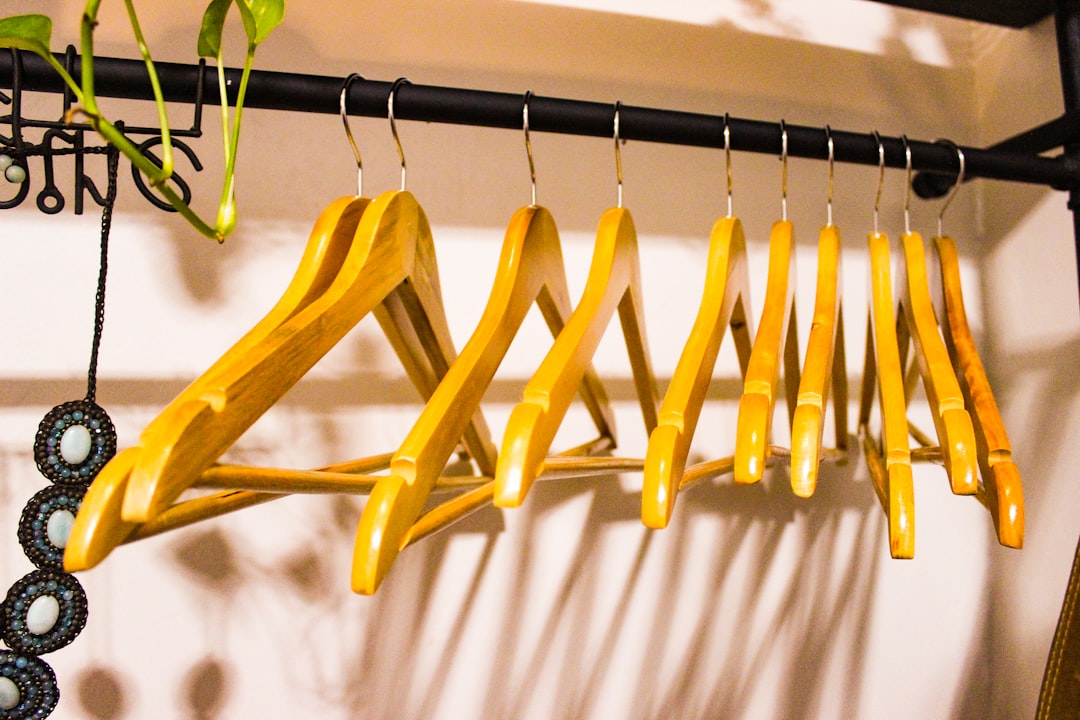
The big shift is this: stop asking, “Do I like it?” and ask, “What real moment in my life does this solve?”
That sounds simple, but it changes everything. Because most bad buying happens when we shop for a fantasy version of ourselves. The version who goes to brunch, has time to steam everything, never spills coffee, and always feels like dressing up. Real life is more specific. It’s commuting at 8:10 a.m. It’s a conference room that’s freezing. It’s school pickup with one hand full of snacks. It’s a shirt that has to survive a wash and still look decent on Thursday.
That’s why online clothing shopping can feel so slippery. Clothing shopping sites are built to make you respond fast: nice photos, quick filters, “only 2 left,” and a cart that quietly turns into a mood board. But your closet is not a mood board. It’s a working system.
The question that saves you from the wrong piece
Here’s the question I use now:
What is the third time I’ll wear this?
Not the first time. The first time is easy. The first time is usually the event that tricks you.
The third time is where the truth shows up. If you can picture a third wear, you’re probably buying something with a real job. If you can’t, you’re probably buying a moment.
I almost bought a satin blouse last spring because it looked incredibly polished online. I pictured myself in it at dinner, maybe with gold earrings, maybe feeling like a person who has her life together. But when I asked the third-time question, I went blank. First wear: one dinner. Second wear: maybe a work event. Third wear? Nothing. It didn’t work with my jeans, it felt too delicate for daily life, and it would have needed careful washing. I closed the tab.
Then there was the black knit top I kept. Not glamorous. Not exciting. But I wore it to a client meeting, then again under a blazer, then on a Saturday with wide-leg pants and sneakers. That’s the difference. One piece was a fantasy. The other was a tool.
Why your cart keeps lying to you
A lot of buying clothes mistakes come from two very normal brain habits.
The first is choice overload. When you have 80 tabs open, every item starts to look like a possible identity upgrade. You stop comparing clothes and start comparing versions of yourself.
The second is present bias. That’s just a fancy way of saying we overvalue the feeling of buying right now and undervalue the annoyance of owning the wrong thing later. The checkout dopamine is immediate. The return label, the awkward fit, the “why did I buy this?” moment shows up later.
That’s why a piece can look brilliant in the cart and useless in your closet. The system rewards the click, not the wear.
I see this all the time in online clothing shopping: a blazer that looks sharp in the model photo but only works if you already own the right pants; sandals that look effortless until you realize they rub after ten minutes; a trendy top that seems versatile until you notice it clashes with everything you actually wear.
If you want your wardrobe to stop feeling random, you have to shop for repeatability, not novelty.

A practical way to judge any piece
Try this little filter before you buy:
-
Name the real use case.
Don’t say “for going out.” Say “for office days when I need to look polished but sit for eight hours.” -
Check the third wear.
Ask where you’d wear it after the first excitement is gone. -
Test the closet math.
Can it work with at least three things you already own? -
Think about maintenance.
If it wrinkles, pills, needs hand washing, or only looks good in perfect lighting, count that as a cost. -
Picture the boring day.
If it only works on a special day, it’s not a wardrobe essential. It’s a costume.
That last one matters more than people admit. A lot of wardrobe essentials are not sexy. They’re the pieces that survive school pickup, office air conditioning, and a surprise dinner after work. They’re the things that make getting dressed easier on the days you don’t have the energy to think.
If you’re building that kind of closet, a compact system like The Ultimate 10-Piece Spring Capsule Wardrobe is useful because it forces outfit math. You stop asking, “Is this cute?” and start asking, “Does this earn its place?”
The hidden cost of impulse buying
Impulse buying is expensive, but not just in dollars.
It costs attention. It costs closet space. It costs the low-grade guilt of seeing a tag still attached two months later. And it creates a weird emotional drag: every wrong purchase makes the next decision harder, because now you’re shopping with a little more distrust.
I’ve had pieces that failed after two wears, and honestly, that hurts more than a bad bargain should. One dress looked amazing in the mirror, then lost its shape after a wash and started twisting at the seams. Another pair of trousers fit beautifully in the fitting room, but by the second wear the waistband was already doing that annoying slide-down thing that makes you tug at yourself all day. Those are not just bad items. They’re decision fatigue with a price tag.
This is also why neutral colors get such a bad reputation. People call them boring because they buy them without a plan. But neutral pieces are often the backbone of repeat wear. The trick is learning how to make them work harder. If you want the outfit side of that conversation, How to Style Neutral Colors Without Looking Boring is worth opening because it solves the exact problem that turns “practical” into “blah.”

What to do the next time you’re about to click buy
When I’m stuck, I do a very unglamorous check:
- Would I wear this on a random Tuesday?
- Would I reach for it if I were tired?
- Would I buy it again if it were folded on my bed, not staged in a product photo?
- If it arrived and fit exactly as shown, would I still keep it?
That last one is brutal, but useful. A lot of online clothing shopping decisions rely on the hope that the item will become more useful than it actually is. Usually it won’t. If the item only works with perfect styling, perfect weather, and perfect motivation, it’s probably not doing enough.
And if you’re shopping on clothing shopping sites, pay attention to the clues that help you answer the real question. Look at the fabric description. Look at the model measurements if they’re provided. Read the return policy before you fall in love. Those details are not boring. They’re the evidence trail.
The real win
The goal is not to become a hyper-disciplined shopper who never buys anything fun. That’s not realistic, and honestly, it sounds miserable.
The goal is to stop confusing attraction with usefulness.
Once you start asking, “What’s the third time I’ll wear this?” clothing shopping gets less random. You waste less money on one-off pieces. You build a closet that actually matches your life. And you start making choices like someone who has a system, not someone hoping the cart will save them.
That’s the shift. Not better taste. Better judgment.