Why Your Fashion Shopping Feels Expensive Even When You’re Not Buying Much
Why Fashion Shopping Feels Expensive Even When You Barely Buy Anything
The strange thing about shopping for clothes online is that the cart can look harmless and still leave you feeling weirdly broke. One $18 tee, one $42 pair of trousers, one $29 tank, maybe a sale cardigan you convinced yourself was “practical” because the color was neutral and the return policy was easy. Nothing dramatic. No designer splurge. And yet the total hits with that annoying little sting: how did I spend so much on so little?
I don’t think the real issue is price tags. It’s friction. A lot of fashion shopping is built around low-utility purchases: pieces that look fine by themselves, then fall apart the second they have to work with the rest of your closet. That’s where the money leaks out. Not in one big purchase, but in five small ones that never become an outfit.

A few months ago, I watched a friend do exactly this. She ordered three tops and two pairs of jeans in one night, all from different tabs because each item looked “safe.” One top was too sheer. One pair of jeans hit at a weird ankle length. The third shirt fit, but only under one blazer she owned. That blazer was black, the shirt was warm beige, and together they looked accidental in the worst way. She kept one item, returned three, then bought a fourth top the next week because she still needed “something to wear.” That’s not bad luck. That’s a system problem.
The hidden cost of fashion shopping online is usually not the item itself. It’s the coordination tax.
Every new piece asks a quiet question: what does this go with, how often will I wear it, and will I actually reach for it on a Monday morning when I’m tired? If the answer is fuzzy, the item is already expensive. Psychology has a clean name for this: decision fatigue. The more choices your wardrobe demands, the more likely you are to default to whatever is easiest, not what was smartest to buy. That’s why a closet full of almost-right clothes can feel more draining than a smaller one that just works.
This is also why affordable basics get misunderstood. A basic is not cheap by default. A real basic is something you can repeat without thinking and without feeling like you’re settling. If a white tee shrinks, twists, or turns sheer after two washes, it was never basic. It was a temporary truce with your wallet.
That’s the test I use now: can this item survive three different outfits, not just one? If it can’t, it’s not really helping. It’s just another decision waiting to happen.
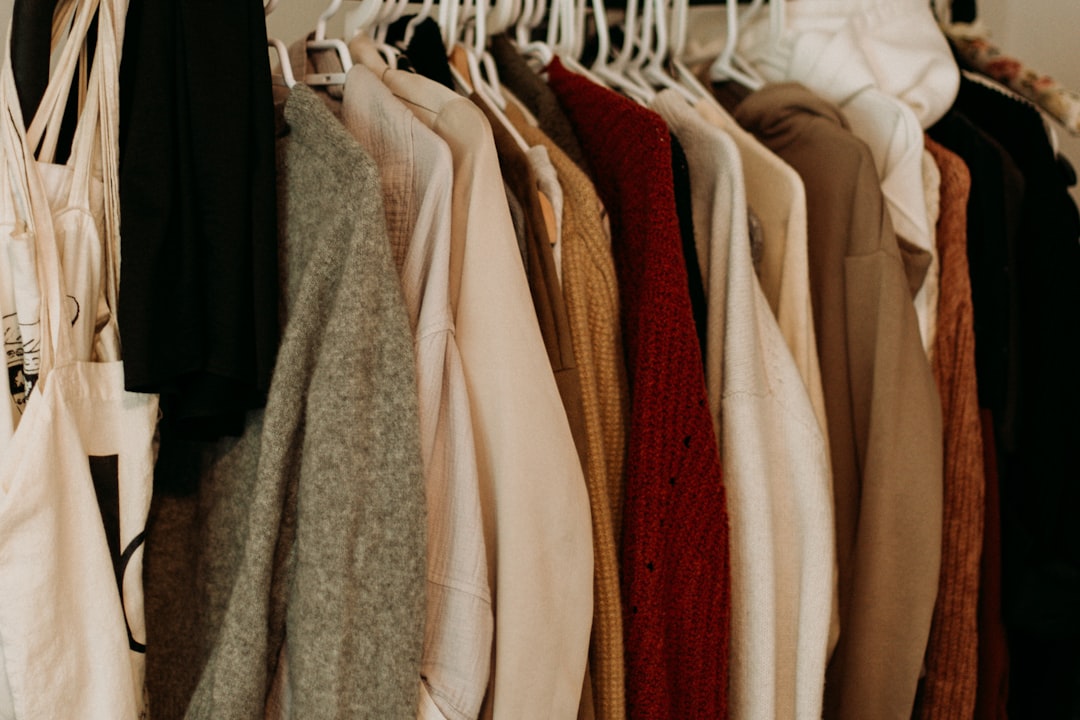
This is where a capsule wardrobe stops sounding like a trendy phrase and starts making practical sense. The point is not to own fewer things for moral points. The point is modularity. Good design, in clothing as in furniture or software, depends on pieces that can be reused in multiple combinations without breaking the system. A navy knit that works with jeans, tailored pants, and a skirt is doing real labor. A trendy top that only works with one bottom is borrowing future money from your closet.
If you want a useful reference point, The Ultimate 10-Piece Spring Capsule Wardrobe is a solid example of that mix-and-match logic in practice. The value isn’t that the wardrobe is small. It’s that every piece has to earn its place more than once.
The same logic applies to women’s everyday style, which is usually where most shopping confusion lives. Everyday style is not the runway. It’s school drop-off, office elevators, grocery runs, coffee catch-ups, and the occasional dinner where you want to look like you tried, but not too hard. That’s a lot of use cases. If your clothes only work for one of them, you end up shopping more often just to patch the gap.

There’s one more trap that makes fashion shopping feel expensive: emotional overbuying dressed up as practicality. I’ve done this myself. I once bought two nearly identical neutral sweaters in the same week because one was “more polished” and the other was “more relaxed.” In real life, they were both beige, both slightly itchy, and both ignored in favor of the same black crewneck I already owned. The lesson was brutal but useful: if you already have the function covered, a second version is often just a mood purchase wearing a sensible outfit.
That’s why neutral colors can either save you money or quietly waste it. If you know how to build around them, they stretch hard. If you don’t, they become a graveyard of almost-matching pieces. How to Style Neutral Colors Without Looking Boring is worth a look for that exact reason: the trick is not buying more beige, but making each piece do visible work.
So what actually helps?
-
Build around repeaters, not wishful thinking.
Before you check out, ask whether the item works with at least three things you already own. -
Treat fit as a cost, not a detail.
If you already know you’ll need tailoring, hem work, or a bra you don’t own, factor that in immediately. -
Stop buying for the fantasy version of your week.
Buy for the week you actually live: rushed mornings, bad lighting, and all. -
Use returns as a signal, not a solution.
If you keep returning the same category of item, the problem is probably your shopping filter, not the store. -
Give basics a harder test.
A real basic should survive washing, layering, and repeat wear without looking tired after two outings.
This is also where online fashion shopping needs more discipline than people like to admit. Online, everything looks cleaner than it is. The lighting is better. The styling is intentional. The model is standing in exactly the right pose. Your brain fills in the rest. That’s why a cart can feel smart at 11:40 p.m. and absurd by Tuesday afternoon. The screen removes friction, but your closet still has to absorb the result.
If I had to compress the whole thing into one sentence, it would be this: fashion feels expensive when you buy for the moment and pay for the mismatch later.
A closet that works is a relief you can feel in your body. You open it, grab something, and don’t start negotiating with yourself before breakfast. That kind of calm is hard to price, but once you’ve had it, you stop confusing shopping with progress.